Selling a Luxury Home in Austin
How to sell a luxury home in Austin the right way, from market positioning and pricing strategy to private launches, presentation, and representation that protects premium outcomes.
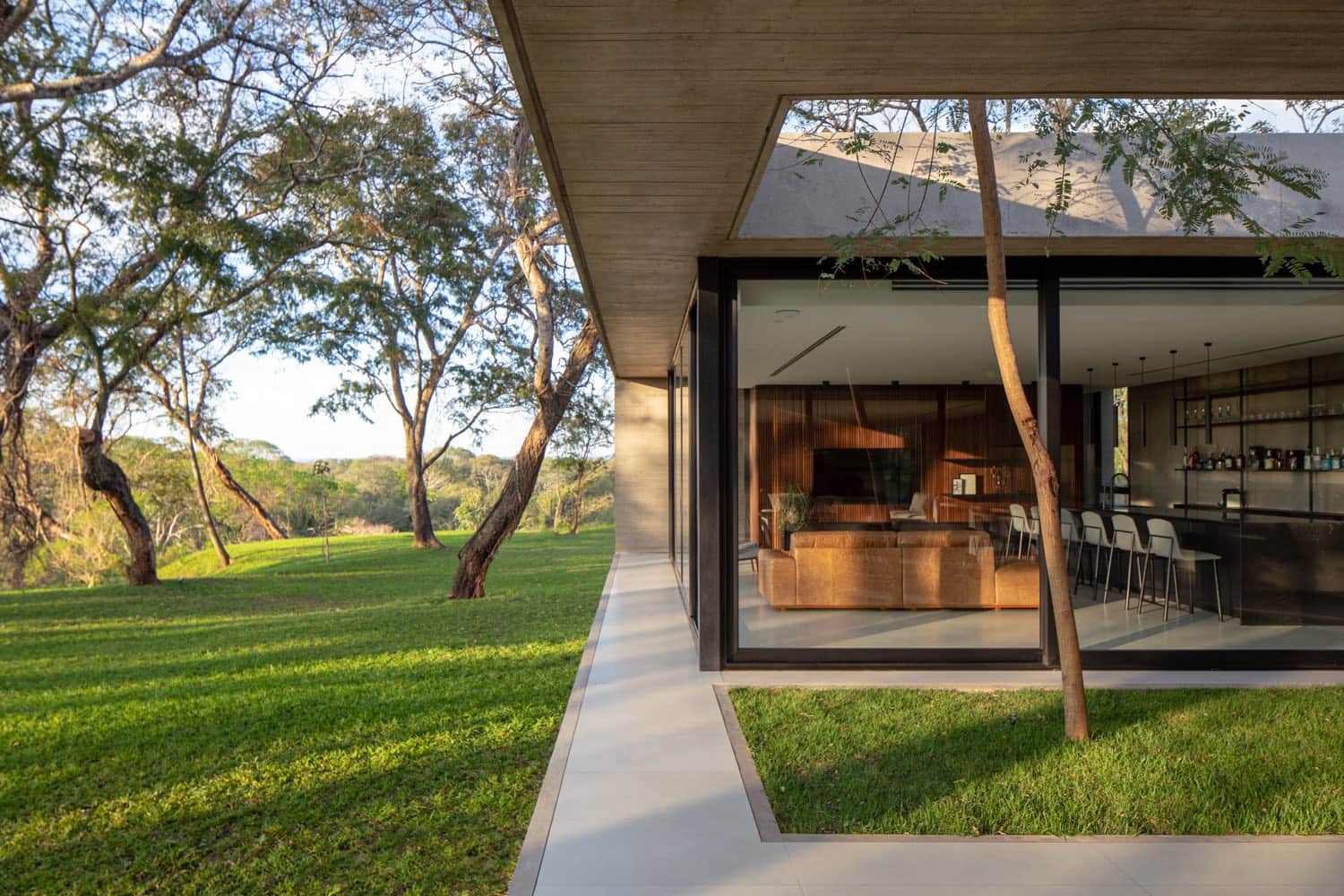
A luxury home that lingers sends a message, whether a seller intends it to or not. In the upper tier of the market, days on market are not just a metric. They become part of the asset's story. That is why selling a luxury home in Austin requires more than listing it beautifully and waiting for the right buyer to appear.
At this level, buyers are not simply comparing square footage, finish quality, and lot size. They are weighing scarcity, status, privacy, future value, and how a property fits their lifestyle. They are also highly informed. Many have access to off-market opportunities, private advisors, and neighborhood-level intelligence that never shows up in public listing remarks. Sellers who treat a luxury property like a standard resale often miss what actually drives premium outcomes.
Selling a luxury home in Austin starts with market position
The first question is not what the home should list for. It is how the property should be positioned within its specific competitive set.
Austin's luxury market is not one market. Westlake, Tarrytown, Pemberton, Barton Creek, Rollingwood, Spanish Oaks, and select modern enclaves near downtown all behave differently. Even within the same neighborhood, a legacy estate on a premier lot trades on a different logic than a newer construction home with strong finish quality but less land value or privacy. Sophisticated buyers notice those distinctions immediately.
This is where many pricing conversations go wrong. Sellers understandably anchor to a neighbor's sale, a recent headline number, or the cost basis of their renovation. The market does not reward effort evenly. A highly personal build may command a premium if the design language aligns with current buyer demand. It may also narrow the audience if the home feels too specific, too large for the lot, or over-improved for the pocket.
Strong positioning means understanding not only comparable sales, but why those properties traded where they did. Was the buyer local or relocating? Was the property exposed publicly or sold quietly? Did the lot, views, guest house, wellness features, or architectural pedigree create an advantage that justified a pricing gap? In the luxury segment, nuance drives value.
Price is a strategy, not a statement
Overpricing is not just an optimism problem. It can be an exposure problem.
A luxury home gets its best attention when it first enters the market or when a private launch is carefully orchestrated among qualified buyers and advisors. If pricing overshoots the market, the listing may still generate interest, but not the right kind. Showings become informational rather than competitive. Buyers watch. Agents hesitate. The home begins to look available rather than desirable.
Underpricing has its own risks. In select cases, it can create urgency and compress time to contract. But for truly unique homes, especially those with privacy, architectural significance, or irreplaceable land characteristics, aggressive underpricing can leave money behind if the right audience is not already in motion.
The best pricing strategy usually lives in a narrower band than sellers expect. It should create confidence, preserve negotiating leverage, and align with the specific buyer pool active in that submarket right now, not six months ago. Our Austin luxury market trends tracker is one of the inputs we use to calibrate that band in real time.
Presentation matters, but editing matters more
Luxury buyers expect visual polish. Professional photography, cinematic video, strong copy, and refined staging are baseline standards. They are not a strategy by themselves.
What matters more is editing the home so that its value proposition reads clearly. A buyer should understand within moments whether the property is about architectural purity, family functionality, entertaining, wellness, views, walkability, land, or privacy. If every room competes for attention, the home loses definition.
That often means removing pieces that are expensive but distracting, rethinking room purpose, and correcting details that would be tolerated in a lower price point but not here. In the luxury category, buyers are paying for a feeling of readiness. They do not want to mentally budget for deferred maintenance, cosmetic fixes, or visual noise.
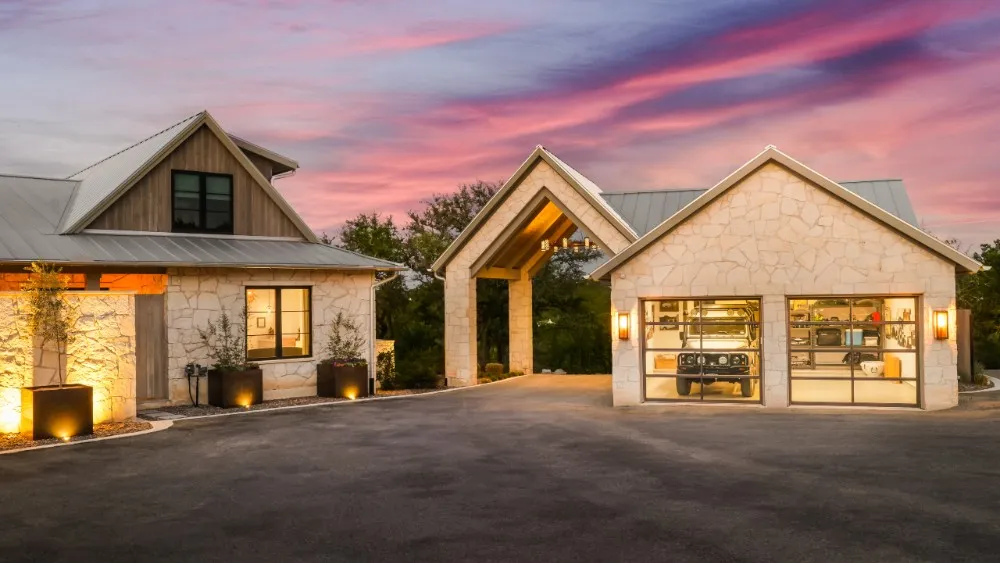
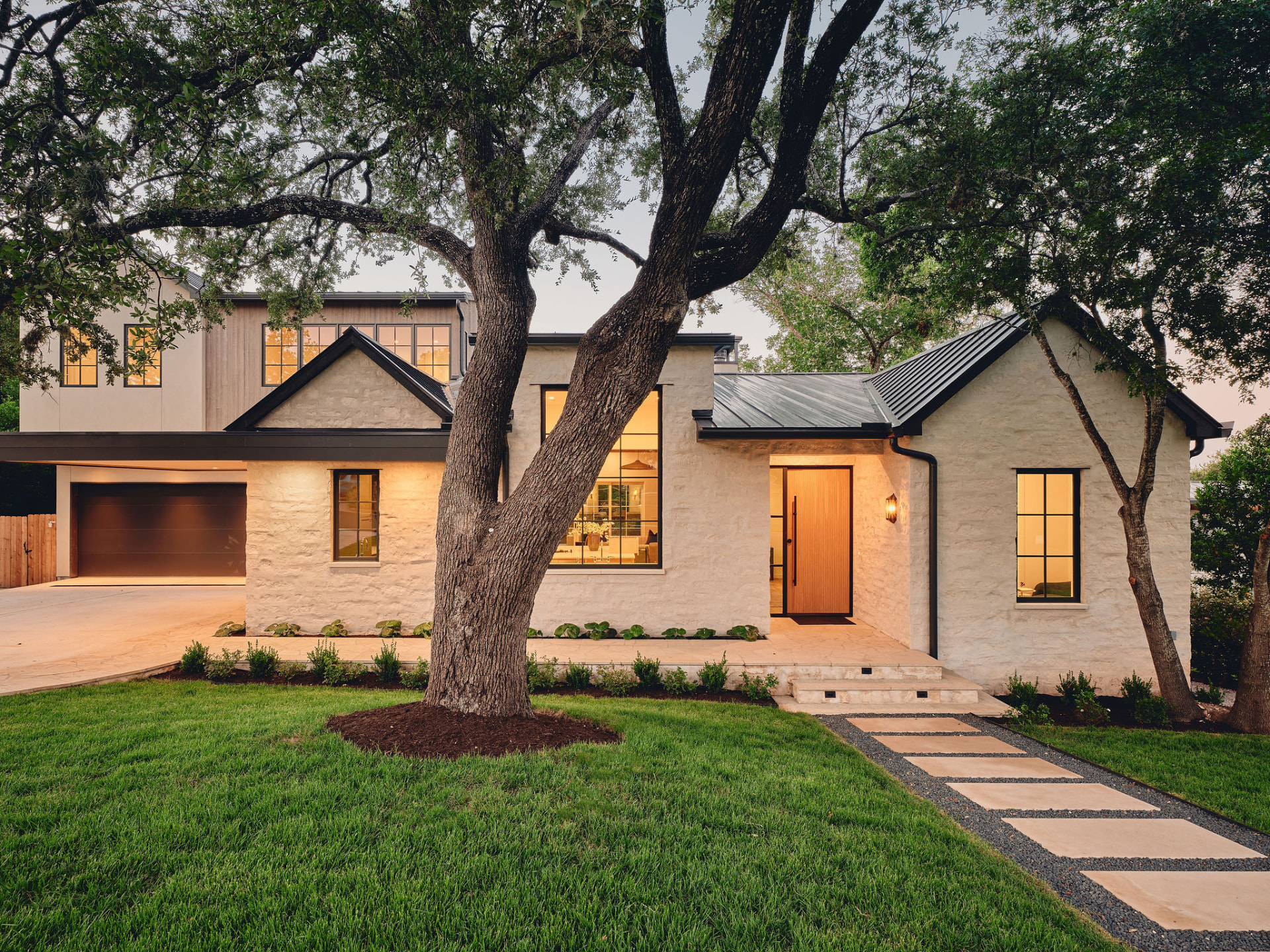
The exterior matters just as much. Arrival sequence, hardscape condition, landscape maturity, lighting, and motor court presentation all influence perceived value before the front door opens. For some properties, especially in gated communities or estate settings, the approach is part of the product.
Discretion can be an advantage
Not every luxury home should be broadly marketed on day one.
Some sellers benefit from full public exposure, especially when the home has broad aspirational appeal and strong digital marketing potential. Others are better served through a more selective process. Privacy concerns, family security, high-profile ownership, or simply the desire to avoid unnecessary visibility can make a private listing strategy more effective.
This is particularly relevant when a property appeals to a narrow but well-defined buyer profile. In those cases, curated outreach to top agents, wealth advisors, relocation channels, and qualified private networks can produce stronger engagement than mass-market exposure. The goal is not less marketing. It is more precise marketing.
That said, discretion is not automatically superior. A private approach limits public market testing. If the home needs broad competition to maximize price, exclusivity can become constraint. The decision should be strategic, not stylistic.
The Austin buyer pool is selective and segmented
One of the more misunderstood parts of selling a luxury home in Austin is assuming all affluent buyers want the same thing.
They do not. A relocating tech executive may prioritize proximity to school routes, airport access, and low-friction daily living. A founder after a liquidity event may care more about design, privacy, and social positioning. An investor-minded buyer may focus on land scarcity, downside protection, and whether the property sits in a micro-market with durable demand.
This is why generic listing language underperforms in the luxury segment. If a home is architecturally significant, say so with specificity. If the lot is unusually private for the neighborhood, explain why that matters. If the property offers a rare mix of newer construction and established tree canopy in a location where that combination is difficult to find, that should be central to the narrative.
Buyers at this level are not persuaded by adjectives alone. They respond to context.
Timing is less seasonal than situational
Conventional real estate advice often overstates seasonality. In Austin's luxury market, timing is usually more situational than calendar-based.
A home should come to market when three things align: presentation is right, pricing is credible, and the likely buyer audience is active. That could be spring, but it could just as easily be early fall or a highly targeted private release during a period when a relocation wave is forming.
The stronger question is not, "When is the best month to list?" It is, "What else is competing for the same buyer right now, and how does this property compare?" If two or three compelling alternatives are available in the same school district, architectural category, or club community, timing may be less favorable even during a traditionally strong season.
Representation changes the outcome
Luxury sellers do not need more transaction management. They need sharper judgment.
At the high end, representation influences pricing discipline, launch strategy, buyer targeting, negotiation posture, and whether a property is framed as a commodity or a scarce opportunity. That distinction matters. Premium homes rarely trade at their best number because they were merely visible. They trade well because the right buyers understood why the asset was worth pursuing.
This is where advisory-led teams stand apart. They can read below the surface of comparable sales, identify when a home should be marketed quietly versus publicly, and shape the narrative around what actually drives value in that micro-market. For sellers who care about discretion, pattern recognition, and positioning, that level of guidance is not a luxury. It is part of the strategy.
Echelon Property Group operates in exactly that lane, with selective representation built around market intelligence rather than volume. Our past transactions reflect that approach across Austin's most competitive luxury submarkets.
What sellers often underestimate
The biggest mistake is assuming the market will connect the dots on its own.
It will not always recognize the significance of a view corridor, a grandfathered feature, a more favorable section of a street, or a build quality difference that is obvious only to experienced eyes. It may not fully appreciate a recent renovation unless that renovation is framed in terms buyers value. And it will not overlook friction points just because the home is beautiful.
Selling well means reducing uncertainty wherever possible. It means making strengths legible, minimizing distractions, and presenting the home with enough precision that buyers can act decisively.
A luxury property deserves more than exposure. It deserves strategy calibrated to the asset, the moment, and the buyer most likely to pay for what makes it rare. When that alignment is right, the market tends to respond accordingly.
If you are considering selling a luxury home in Austin, the first conversation is rarely about price. It is about positioning. Connect privately for a confidential read on your property and the strategy most likely to produce the outcome you actually want.
Frequently Asked Questions
How long does it take to sell a luxury home in Austin?
It varies widely. Well-positioned luxury homes in core neighborhoods like West lake Hills, Tarrytown, and Barton Creek often go under contract within 30 to 90 days when pricing and presentation are aligned. Homes that are overpriced or poorly positioned can sit for six months or longer, which typically erodes negotiating leverage. Days on market becomes part of the asset's story at this level, which is why launch strategy matters so much.
Should I sell my luxury home off-market or list it publicly?
It depends on the property, the seller's privacy needs, and where demand is concentrated. Public listings maximize competitive exposure and tend to perform best on homes with broad aspirational appeal. Off-market or private sales work better when discretion matters, when the buyer pool is narrow and well-defined, or when the seller wants to test pricing before committing to a public launch. Often the most effective strategy is a hybrid, a curated private phase followed by public exposure if needed.
What is the average commission for selling a luxury home in Austin?
Commissions in the Austin luxury segment are negotiable and typically range from 4% to 6% of the sale price, with structure varying based on the property, marketing scope, and whether the home is sold publicly or privately. At the top of the market, what matters more than the headline rate is what the representation delivers, pricing discipline, buyer targeting, narrative control, and negotiation posture all influence the final number more than commission structure alone.
How should I price my luxury home in Austin?
Start with the competitive set, not the comp set. Comparable sales matter, but the more important question is what other homes are competing for the same buyer right now. Pricing should create confidence, preserve negotiating leverage, and align with the specific buyer pool active in that submarket. Overpricing creates exposure problems. Aggressive underpricing can leave money behind on truly unique homes. The right band is usually narrower than sellers expect.
Do I need to stage a luxury home before selling?
Yes, but staging at the luxury level is closer to editing than decorating. The goal is to make the home's value proposition read clearly within moments, whether that is architectural purity, family functionality, entertaining, wellness, views, or land. Buyers at this level are paying for a feeling of readiness, so removing visual noise and correcting small imperfections often matters more than adding furniture.
Which Austin neighborhoods have the strongest luxury resale demand?
West lake Hills, Tarrytown, Pemberton Heights, Barton Creek, Rollingwood, and Spanish Oaks consistently lead in luxury resale demand, though each behaves differently. Westlake and Barton Creek trade heavily on land, views, and privacy. Tarrytown and Pemberton trade on centrality and legacy character. Rollingwood balances proximity with family-scale livability. The right strategy depends on which submarket the home actually competes in, not just where it is located.
Continue Exploring
Three places to go from here

ABOUT THE AUTHOR
Taylor Sherwood
Austin Real Estate Advisor · Echelon Property Group
Taylor Sherwood is a Certified Luxury Home Marketing Specialist (CLHMS) and top-performing Austin real estate advisor. He specializes in luxury residential properties, land development, commercial real estate, and investment property across Austin and the Texas Hill Country. With deep market expertise and a results-driven approach, Taylor helps buyers, sellers, and investors navigate Austin's most competitive real estate segments.
Related Reading
Selling a House During a Divorce in Texas: The 2026 Guide
Community property, owelty liens, the 95% LTV buyout, and the Section 121 tax clock. A data-driven 2026 guide to the house in a Texas divorce, built for Austin.
2026-08-17 • 17 min read
Privacy Concerns When Selling a High-Value Home: What Sellers Need to Know
Selling a high-value home in Austin exposes ownership identity, security details, and financial position the moment a listing goes live. Here is what becomes public and how luxury sellers protect themselves.
2026-08-06 • 13 min read
Luxury Home Not Selling in Austin? It's the Price, and Here's the Fix
In 78703, more luxury listings died than sold last year. What an overpriced Austin luxury home really costs per month, and the six-step reset that fixes it.
2026-08-05 • 16 min read
Private Listings in Austin: The 2026 Rules, the Data, and When Going Quiet Actually Pays
Clear Cooperation is collapsing, Zillow launched Preview, and Unlock MLS built Flex Listings. Here is what Austin sellers can actually do in 2026, with the data on what private listings really cost or earn.
2026-08-03 • 15 min read