Austin Luxury Real Estate Market Analysis: What Buyers and Sellers Need to Know
How Austin's luxury market actually behaves above $2M. Submarket-level absorption, off-market activity, and the metrics that matter for buyers and sellers in Westlake Hills, Lake Austin, Barton Creek, Rollingwood, and Tarrytown.
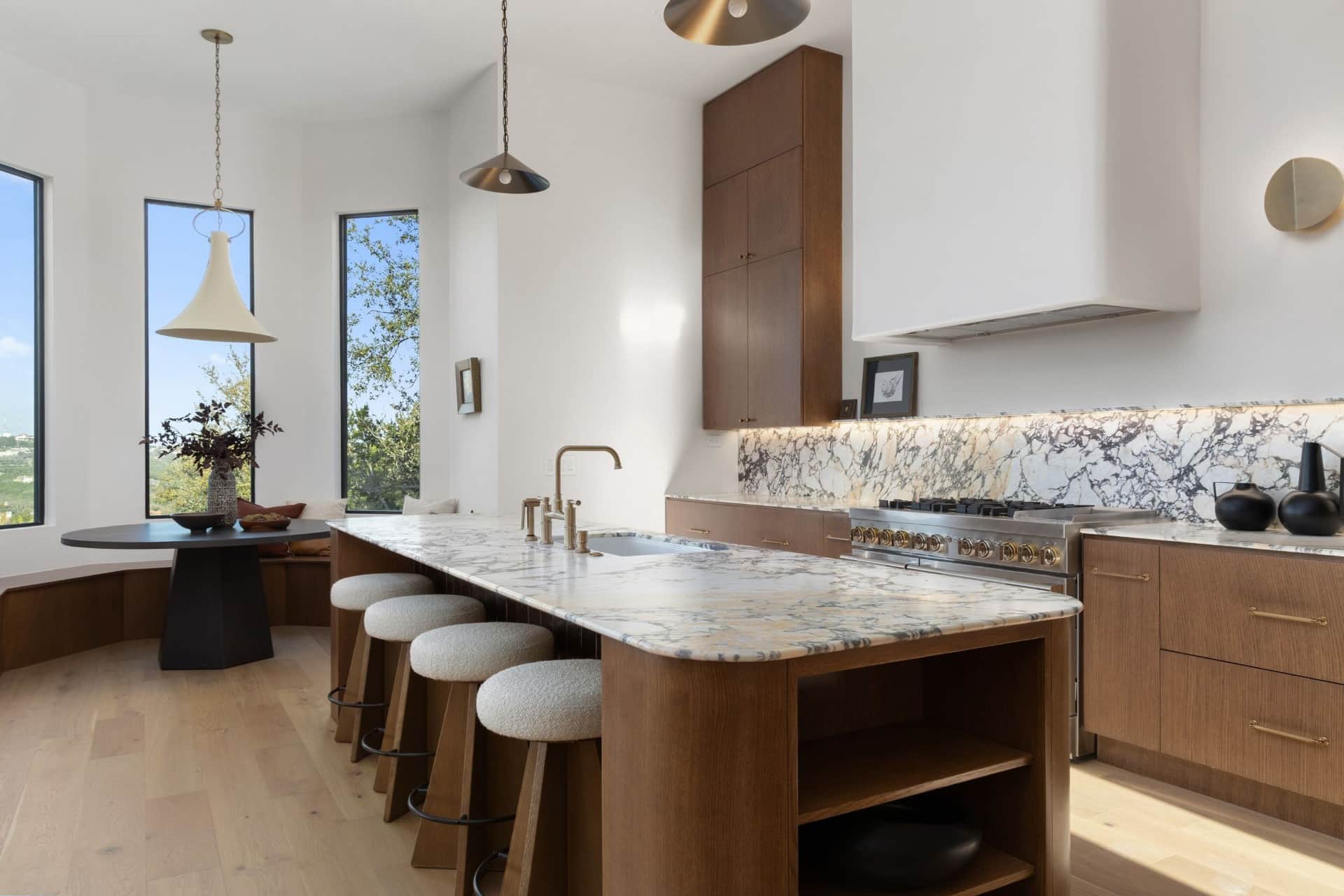
This Austin luxury real estate market analysis explains why broad housing headlines often fail buyers and sellers operating above the $2M threshold. In Austin's luxury segment, thin inventory, submarket-specific demand, off-market transactions, and shifting absorption rates create a market that behaves very differently from the broader residential landscape.
Austin's luxury real estate market is often discussed in broad strokes: rising prices, limited inventory, strong demand, shifting interest rates. While those narratives may capture the broader housing market, they rarely reflect what is actually happening in Austin's upper-tier residential segment.
For buyers and sellers operating above roughly $2 million, the market functions differently.
Supply is thinner. Buyer pools are smaller. Off-market activity obscures a meaningful portion of transactions from public view. A small number of sales can materially distort pricing averages, especially within tightly constrained luxury submarkets like Westlake Hills, Lake Austin, Barton Creek, Rollingwood, and Tarrytown.
As a result, generalized market reports often create more noise than clarity.
A buyer relying on citywide averages may misjudge negotiating leverage entirely. A seller pricing based on broad neighborhood medians instead of true luxury absorption data may either leave substantial value on the table or overprice into stagnation.
Luxury real estate in Austin requires a more precise analytical framework. Our market intelligence briefing and Austin luxury market report are built around that principle.
This article breaks down how Austin's luxury market actually operates, including:
- How the luxury segment is defined
- Which Austin submarkets drive high-end demand
- The metrics that matter most in luxury market analysis
- What truly drives value at the top tier
- Why off-market inventory changes the public data picture
- How buyers and sellers can make more informed strategic decisions
Whether you are preparing to sell a property in Westlake, evaluating a Lake Austin waterfront purchase, or assessing current conditions in Barton Creek or Tarrytown, understanding the nuances behind the data matters far more than following generalized market headlines.
Defining Austin Luxury Real Estate (And Why the Definition Changes)
There is no universal price threshold that defines luxury real estate in Austin.
The definition shifts depending on location, inventory levels, and buyer expectations within each submarket.
In many parts of Austin, luxury real estate begins around $1.5 million to $2 million. In ultra-prime areas such as Westlake Hills, Lake Austin waterfront, or Rollingwood, that same price point may represent an entry-level purchase rather than the top tier of the market.
Similarly, ultra-luxury in Austin is generally considered to begin somewhere between $3 million and $5 million depending on the corridor and property type.
This distinction matters because luxury market analysis requires different benchmarks than the broader residential market.
The metrics that matter most include:
Days on Market by Price Tier
Luxury homes naturally carry longer marketing timelines than conventional housing. Comparing days on market across Austin's entire residential inventory creates a misleading picture.
A $4 million waterfront estate should not be evaluated against citywide averages driven primarily by conventional housing inventory.
Absorption Rate by Submarket and Price Band
Absorption rate measures how quickly inventory is being consumed within a specific price range.
A healthy Austin housing market overall can still coexist with elevated supply above $4 million. Likewise, inventory can remain extremely constrained in Westlake or Lake Austin even during broader market softening.
Luxury buyers and sellers need to understand the conditions affecting their exact tier, not the market in aggregate.
List-to-Sale Price Ratios
Tracking list-to-sale ratios at the luxury level reveals whether buyers are competing aggressively, negotiating discounts, or exercising patience.
Conditions above $5 million often differ dramatically from conditions between $2 million and $3 million.
Off-Market Transaction Volume
A meaningful percentage of Austin luxury transactions never appear on MLS.
Any market analysis that ignores private listings, pocket inventory, and advisor-to-advisor transactions is working with incomplete information.
For both buyers and sellers, understanding where a property sits within Austin's true luxury hierarchy is the foundation of accurate pricing and intelligent negotiation strategy.
The Austin Luxury Submarkets That Matter Most
Austin's luxury market is not one market.
It is a network of distinct submarkets, each operating with different buyer psychology, supply constraints, pricing logic, and lifestyle priorities. Our guide to the best luxury neighborhoods in Austin covers these in greater depth.
Treating them as interchangeable creates inaccurate analysis and flawed strategy.
Westlake Hills and 78746
Westlake Hills and the broader 78746 corridor remain among Austin's most established luxury enclaves.
Demand here is driven by several durable fundamentals:
- Proximity to downtown Austin
- Access to Eanes ISD
- Privacy and mature neighborhood character
- Long-term price stability
- Limited inventory turnover
Buyers in Westlake often include executive relocations, entrepreneurs, physicians, finance professionals, and established Austin families prioritizing both lifestyle and school district access.
Inventory remains structurally constrained, which continues supporting long-term demand at the upper tier.
Lake Austin Waterfront
The Lake Austin waterfront corridor operates on an entirely different valuation model.
Waterfront access is the primary value driver.
Properties with:
- Private dock access
- Protected water views
- Significant lot depth
- Long stretches of usable shoreline
- Privacy from neighboring properties
command premiums that often have little relationship to traditional price-per-square-foot metrics.
Lakefront inventory is finite by nature. That scarcity creates durable pricing strength over time.
Buyers here are often purchasing both a residence and a long-term lifestyle investment.
Barton Creek
Barton Creek appeals to buyers seeking privacy, gated communities, golf access, and a resort-adjacent lifestyle within close reach of central Austin.
The submarket attracts a mix of local wealth, executive relocations, and second-home buyers.
In Barton Creek, factors such as:
- Hill country views
- Lot topography
- Golf course positioning
- Privacy
- Renovation quality
- Club proximity
often influence value more heavily than raw square footage alone.
Tarrytown and Pemberton Heights
Tarrytown and Pemberton Heights continue attracting buyers seeking central Austin access combined with architectural character and established neighborhood identity.
These neighborhoods offer:
- Mature tree canopy
- Walkability
- Historic character
- Limited turnover
- Proximity to downtown and Lake Austin
Supply remains exceptionally tight because these neighborhoods are geographically constrained and highly established.
Rollingwood
Rollingwood deserves separate mention because demand consistently outpaces public attention.
Located within Eanes ISD and positioned immediately adjacent to downtown Austin, Rollingwood remains one of the most supply-constrained luxury submarkets in the city.
Inventory turnover is limited, and informed buyers compete aggressively when quality opportunities emerge.
The Domain and North Austin Luxury Corridor
The luxury market surrounding The Domain and North Austin continues evolving rapidly alongside Austin's technology sector expansion.
Luxury condominiums, modern townhomes, and lock-and-leave product types have expanded in response to demand from executives and senior technology professionals seeking proximity to major employers.
This corridor operates under different fundamentals than West Austin's established estate markets, but it remains an increasingly important component of Austin's broader luxury landscape.
The Luxury Market Metrics That Actually Matter
Most public housing reports fail luxury buyers and sellers because they rely on generalized data.
Luxury market analysis requires precision. Our live Austin market intelligence briefing tracks each of the metrics below at the submarket level.
Months of Supply
Months of supply measures how long current inventory would last at the current sales pace.
Generally:
- Under 3 months favors sellers
- 4-6 months indicates balance
- Above 6 months favors buyers
But in luxury real estate, those thresholds vary significantly depending on price point and submarket.
The supply environment at $2 million is often completely different from the supply environment above $5 million.
Absorption Rate
Absorption rate reveals how quickly inventory is being purchased within a specific segment.
Strong absorption between $2 million and $3 million does not necessarily translate to strength above $4 million.
Understanding where buyer demand compresses, and where it weakens, is critical for pricing and negotiation strategy.
Price Reduction Frequency
Price reductions are often misunderstood in luxury real estate.
Sometimes they reflect genuine overpricing. Other times they represent deliberate testing strategies where sellers launch aggressively to gauge market response before recalibrating.
Tracking the frequency, timing, and magnitude of reductions provides more insight than isolated price cuts alone.
Days on Market
Longer days on market do not automatically indicate weakness in luxury real estate.
Some sellers intentionally prioritize discretion, timeline flexibility, or highly selective buyer qualification, an approach we cover in detail on our private seller representation page.
At the same time, properties that sell instantly above asking may reflect one motivated buyer rather than broad market competition.
Luxury DOM must always be interpreted within context.
Off-Market Activity
The ratio of private transactions to public listings remains one of the strongest qualitative indicators in Austin luxury real estate.
High off-market activity typically signals:
- Strong buyer demand
- Seller confidence
- Tight trusted advisor networks
- Competitive private inventory circulation
When more sellers move toward public listings, it can indicate softening demand or increased buyer selectivity at the upper tier.
What Actually Drives Luxury Property Value in Austin
Luxury property valuation in Austin extends far beyond square footage. If you are evaluating your own property, our Austin home value framework outlines how we weigh these factors.
At the top tier, buyers pay premiums for scarcity, positioning, lifestyle alignment, and design quality.
The strongest value drivers include:
- Lake frontage and water access
- Eanes ISD access
- Protected hill country views
- Privacy and acreage
- Architectural distinction
- Renovation quality
- Modern floor plans
- Smart home integration
- Outdoor living experience
- Security and gated access
- Proximity to downtown Austin
- Long-term neighborhood prestige
Two homes with similar square footage can trade millions apart depending on how these factors align.
This is why pricing luxury property using simplistic price-per-square-foot comparisons often produces inaccurate conclusions.
Why Off-Market Inventory Matters
A significant percentage of Austin luxury transactions occur privately.
These transactions may include:
- Pocket listings
- Private advisor networks
- Confidential executive sales
- Pre-market opportunities
- Quiet introductions between qualified parties
For sellers, private marketing can preserve discretion and avoid unnecessary market exposure.
For buyers, access to off-market inventory often creates opportunities unavailable through public platforms alone. We curate a selection of these opportunities for qualified clients on our private opportunities roster.
This creates a major information gap for consumers relying solely on Zillow or MLS visibility.
The publicly visible market represents only a portion of actual luxury activity.
Buyers and sellers who want a more accurate understanding of market conditions need insight beyond what appears online.
Turning Luxury Market Analysis Into Better Decisions
Market analysis only matters if it improves execution.
For buyers, understanding absorption rates, supply compression, and submarket demand helps determine:
- Negotiating leverage
- Offer structure
- Timing strategy
- Contingency positioning
- When urgency matters
- When patience creates opportunity
For sellers, accurate luxury analysis informs:
- Pricing strategy
- Market timing
- Public versus private launch strategy
- Buyer targeting
- Marketing positioning
- Negotiation posture
The difference between a generalized approach and a highly informed advisory strategy often becomes most visible during negotiation.
Luxury transactions involve fewer buyers, thinner inventory, and higher financial stakes. Precision matters more.
The Bottom Line on Austin Luxury Real Estate Market Analysis
Austin's luxury market rewards buyers and sellers who understand submarket-level dynamics rather than relying on broad housing narratives.
Headline market reports provide context, but they rarely provide precision.
The strongest outcomes typically come from working with advisors who understand:
- Luxury absorption trends
- Submarket inventory behavior
- Off-market deal flow
- Buyer psychology
- Pricing nuance
- Current conditions within specific luxury corridors
That level of insight matters in Westlake. It matters on Lake Austin. It matters in Barton Creek, Rollingwood, Tarrytown, and throughout Austin's evolving luxury landscape.
If you are considering buying or selling luxury real estate in Austin, the most valuable starting point is not a generic market report.
It is a current, honest market briefing tailored to your exact property type, price point, and submarket. Our live market intelligence and Austin luxury market report are the best places to begin.
Echelon Property Group specializes in Austin luxury real estate advisory across Westlake Hills, Lake Austin, Barton Creek, Rollingwood, Tarrytown, and Austin's premier residential corridors. If you would like a tailored market analysis or private consultation, we welcome the conversation.
Continue Exploring
Three places to go from here

ABOUT THE AUTHOR
Taylor Sherwood
Austin Real Estate Advisor · Echelon Property Group
Taylor Sherwood is a Certified Luxury Home Marketing Specialist (CLHMS) and top-performing Austin real estate advisor. He specializes in luxury residential properties, land development, commercial real estate, and investment property across Austin and the Texas Hill Country. With deep market expertise and a results-driven approach, Taylor helps buyers, sellers, and investors navigate Austin's most competitive real estate segments.
Related Reading

Texas Homestead Exemption 2026: The New $140,000 Rules, What They Actually Save in Austin, and the Cap That Dies in December
The Texas homestead exemption jumped to $140,000 in November 2025 ($200,000 at 65+). Full Austin entity-by-entity math, worked examples at $650K and $2.5M, the two-year refund window, and the investor cap expiring December 31, 2026.
2026-08-20 • 17 min read

Assumable Mortgages in Austin: How Buyers Are Getting 2.75% in a 6.67% World
294 Austin homes have assumable 3% mortgages right now. The 2026 guide to finding them, funding the equity gap, and what sellers should charge for the note.
2026-08-18 • 16 min read
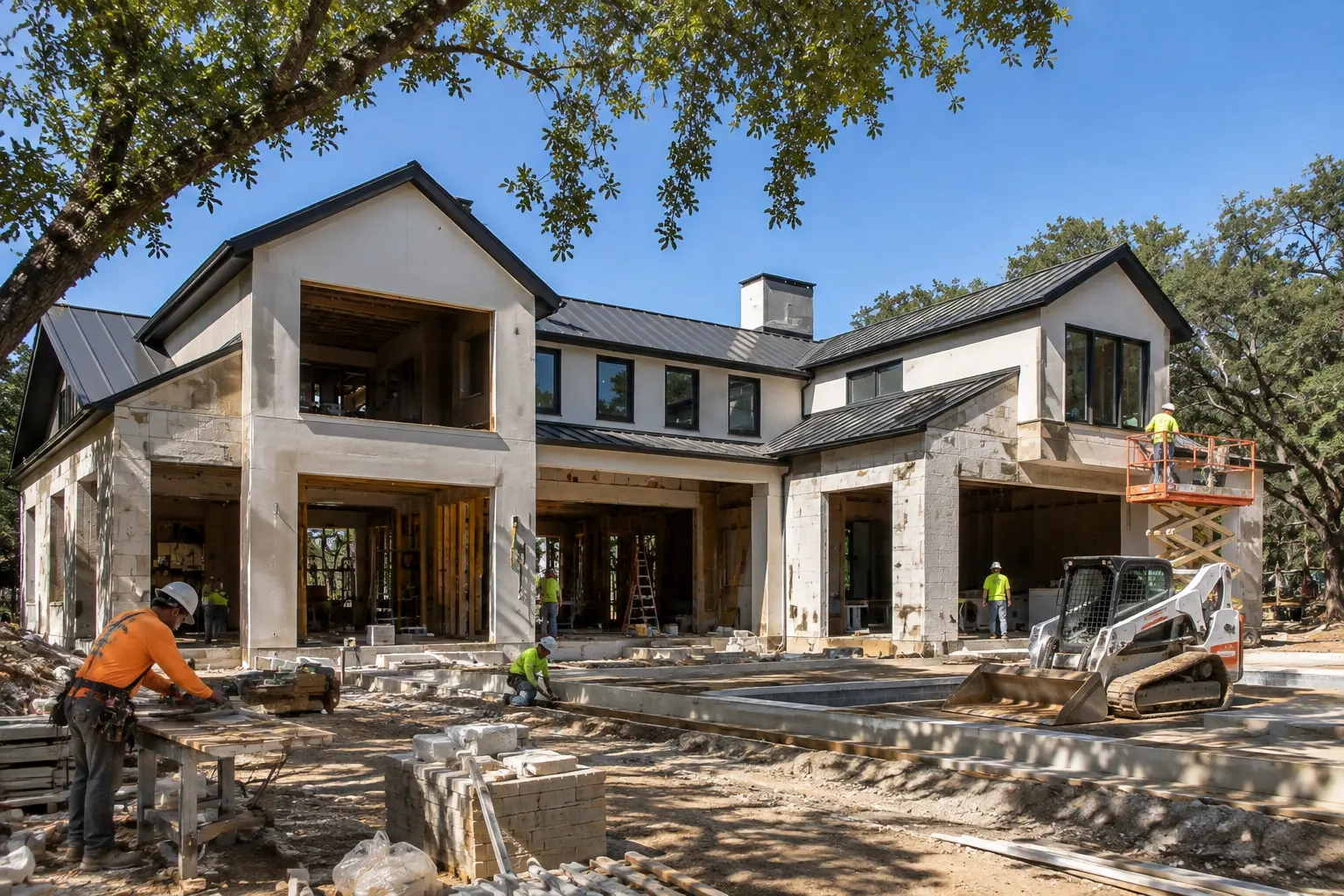
What It Really Costs to Build a Custom Home in Austin in 2026 (And When You Shouldn't)
What it actually costs to build a custom home in Austin in 2026: per-square-foot tiers, the full cost stack, tariffs, permits, and when buying beats building.
2026-08-15 • 16 min read
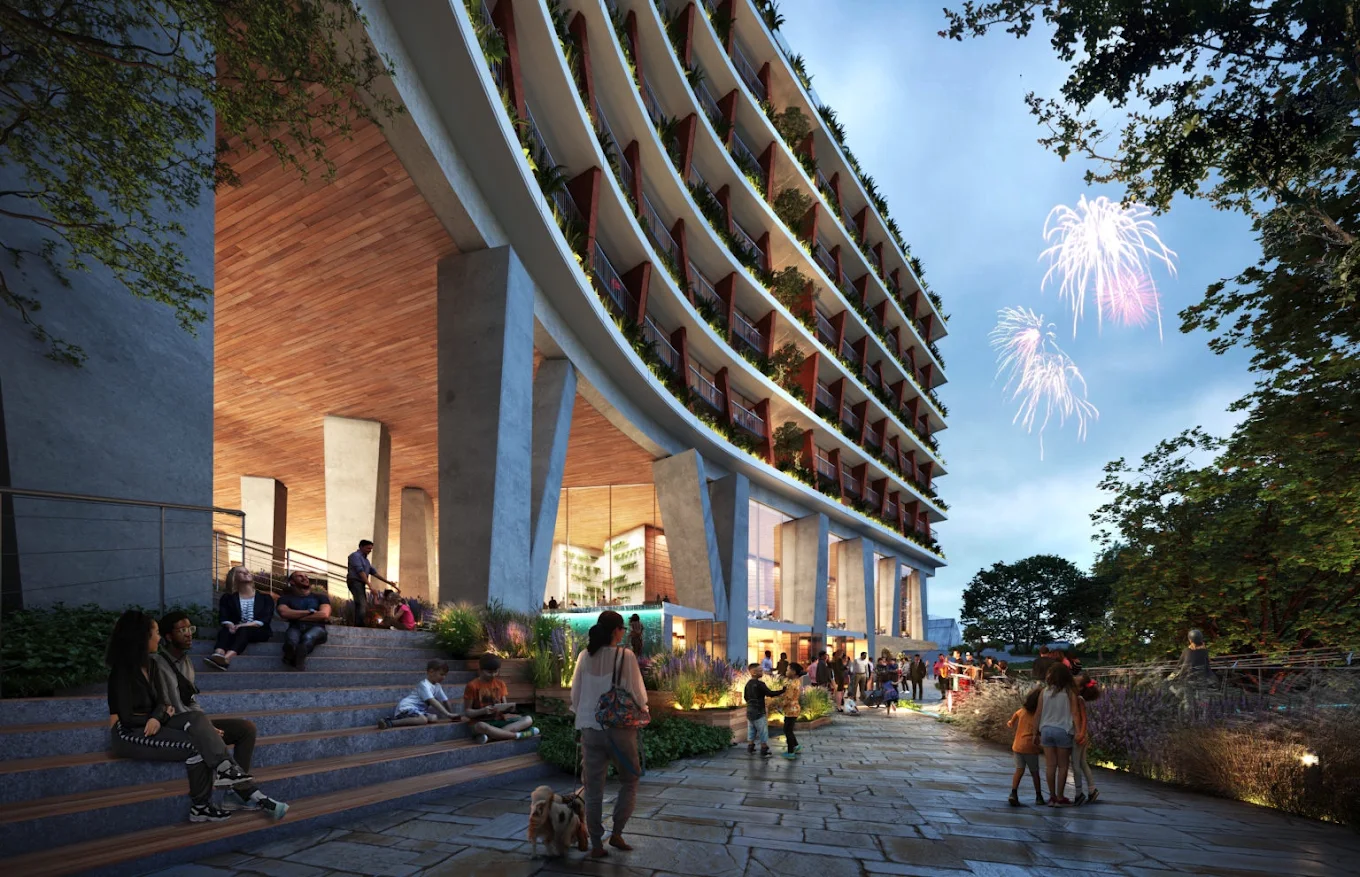
Downtown Austin Condos in 2026: Texas Built Its Tallest Tower and Put Nothing in It for Sale
Texas built its tallest tower and put zero units up for sale. Downtown Austin condo prices, HOA fees by building, worked carry math, and why the resale market just became the only game in town.
2026-08-12 • 20 min read