Austin Luxury Real Estate Market Forecast: 2026 Pricing, Trends & Expert Predictions
Data-backed 2026 forecast for Austin's luxury real estate market. Taylor Sherwood analyzes pricing tiers, buyer-seller leverage shifts, neighborhood-level predictions, and where smart money is moving in Austin's $2M+ segment.
Where Austin's Luxury Market Stands in 2026
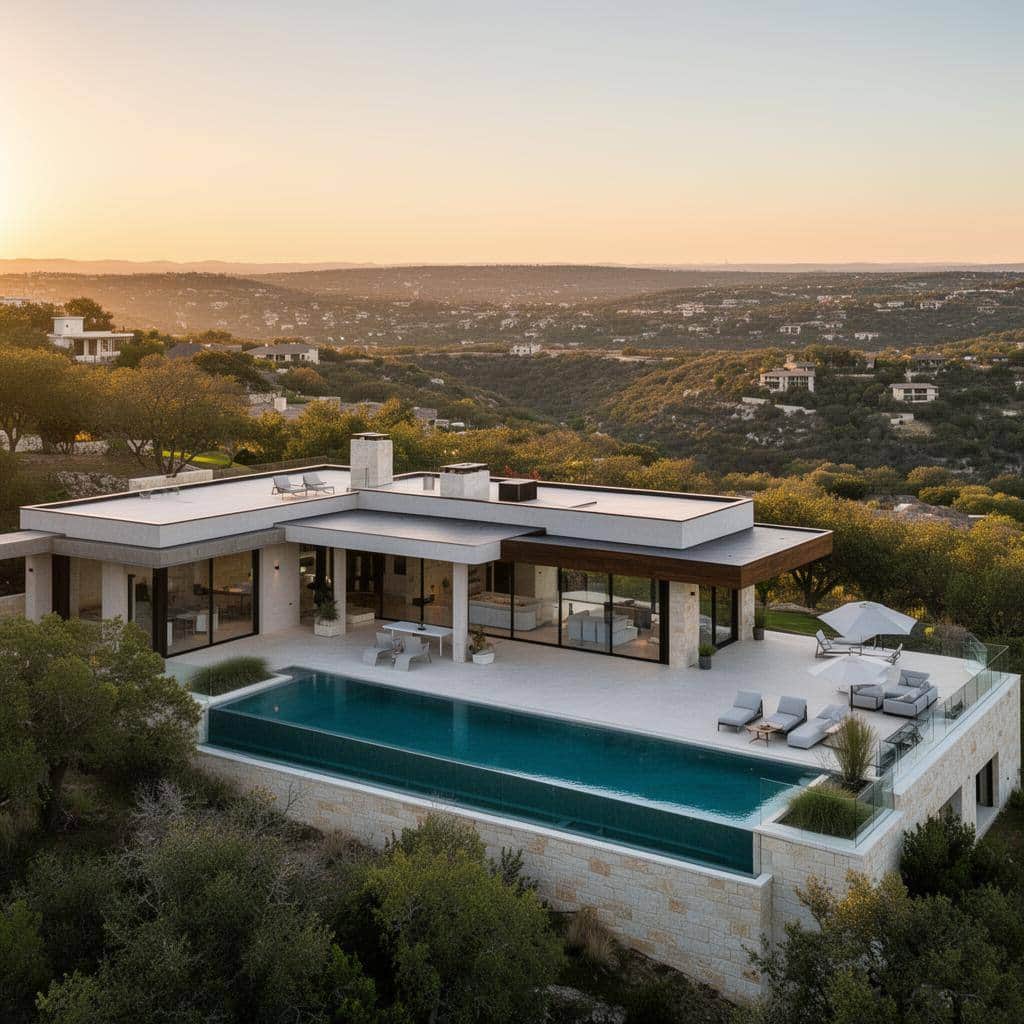
The Austin luxury real estate market has entered a phase I'd describe as "selective momentum." After the correction of 2023–2024, the $2M+ segment didn't simply bounce back, it reorganized. Capital is flowing more deliberately now. Buyers are sharper, sellers are more realistic, and the neighborhoods that are winning are the ones with fundamentals that can't be manufactured: school quality, topography, water access, and proximity.
What makes 2026 different from the post-pandemic frenzy is the composition of demand. We're no longer seeing speculative overflow from tech IPOs. Instead, the buyer pool is dominated by operating executives, private equity principals, and entrepreneurs who've already sold a business. These are buyers who negotiate, who understand cap rates, and who aren't paying premiums just to "get in." That's actually healthier for long-term values. For a comprehensive look at where the data points, read the full Austin Luxury Real Estate Market Report.
Price Movement Analysis: What the Numbers Actually Say
The $2M–$3.5M Sweet Spot
This segment is the most liquid tier of Austin's luxury market in 2026. Days on market have compressed to 28–40 days for well-positioned properties, nearly half of what we saw 18 months ago. Price per square foot in this range has stabilized at $550–$750 depending on neighborhood, with new construction commanding the upper end.
Why this tier? It's where the deepest buyer pool exists. A family relocating from the Bay Area with $1.2M in equity from a Cupertino home and a $400K base salary lands squarely here. So does the Austin tech VP who's been in a $1.2M home and is ready to move up. Demand convergence from multiple buyer profiles creates pricing support that thinner markets don't have.
The $3.5M–$7M Segment
This is where leverage has shifted most dramatically. Sellers who priced correctly in Q1 2026 are seeing multiple-offer scenarios in West lake Hills and Barton Creek. But "priced correctly" is doing heavy lifting in that sentence. Overpriced listings in this tier sit for 90+ days and eventually sell at 8–12% reductions. The market is rewarding precision and punishing ego.
Appreciation in this segment is running 4–7% annually, concentrated in properties with contemporary architecture, privacy, and views. Traditional floor plans on smaller lots are appreciating at 2–3%, still positive, but the market is clearly expressing a preference.
The $7M+ Ultra-Luxury Tier
This is a relationship market, not a listing market. The most significant transactions above $7M in 2026 are happening off-market or through private networks. Off-market luxury properties in Austin now represent an estimated 30–40% of ultra-luxury transactions. If you're only watching the MLS, you're seeing half the picture.
Lake Austin waterfront above $7M has seen two notable trades in Q1 2026, both above $1,200/sqft, a new benchmark. The scarcity premium on waterfront is accelerating, not plateauing.
Buyer vs. Seller Leverage: A Nuanced Picture
The popular narrative of "it's a buyer's market" or "it's a seller's market" is too blunt for what's happening in Austin luxury. The truth is more granular:
Sellers have leverage when: The property is in a Tier 1 school district (Eanes ISD, Lake Travis ISD), built or renovated within the last 5 years, offers views or water access, and is priced within 3% of recent comps. In these scenarios, sellers are seeing 2–4 offers and closing at or above list price.
Buyers have leverage when: The home has been on market 45+ days, the seller is relocating, the property needs updates, or it's in a neighborhood with active new construction competition. In these scenarios, buyers are successfully negotiating 5–10% below asking, plus concessions on closing costs or repairs.
The critical insight: Leverage in Austin luxury isn't determined by the macro market, it's determined by the specific property's position relative to buyer expectations. I've seen a seller receive two above-ask offers the same week another listing three streets away took a 9% haircut. The market isn't uniform; it's highly property-specific.
Neighborhood-Level Forecasts for 2026–2027
West lake Hills: Continued Strength, Tightening Supply
West lake Hills remains the benchmark for Austin luxury. Eanes ISD alone generates a floor under values that other neighborhoods simply can't replicate. With buildable lots nearly exhausted, the teardown-rebuild cycle is now the primary source of new inventory. Expect 5–8% annual appreciation. The West lake Hills community profile details current opportunities.
Tarrytown: The Urban Luxury Play
Tarrytown's proximity to downtown, combined with the Casis Elementary reputation and walkable character, makes it uniquely positioned for buyers who want urban convenience without sacrificing neighborhood feel. Modern rebuilds on 0.2–0.4 acre lots are trading at $1.1M–$1.4M per lot basis before construction, a signal of how the market values this location. Our Tarrytown vs. Bryker Woods comparison breaks down the nuances.
Lake Austin Waterfront: Permanent Scarcity Premium
There are approximately 180 single-family waterfront properties on Lake Austin. That number doesn't grow. Every year, demand increases while supply remains fixed. The math is simple and powerful. Expect 8–12% annual appreciation for well-maintained estates with deep-water access and functional docks.
Dripping Springs & Hill Country: The Growth Corridor
Dripping Springs has evolved from "Austin's country escape" to a legitimate luxury market in its own right. New communities with 1–5 acre lots, winery culture, and improving commercial infrastructure are attracting buyers who want space without sacrificing quality. This market is earlier in its maturity curve, which means both higher growth potential and more volatility. Appreciation of 6–10% is realistic for well-located properties.
Downtown Austin Condos: Project-Dependent
The condo market requires surgical selectivity. Buildings with strong HOA governance, limited investor ownership, and distinctive amenities (The Independent, Four Seasons Residences) are holding values. Buildings with deferred maintenance, high investor ratios, or commodity finishes are struggling. Don't buy "downtown condos", buy a specific unit in a specific building after understanding the HOA financials.
What Smart Money Is Doing in 2026
The most sophisticated buyers and investors I'm working with are executing three strategies:
1. Land Banking in the Path of Growth. Acquiring 10–50 acre parcels in Dripping Springs, Bee Cave, and Spicewood corridors where Austin's westward expansion will create development pressure within 3–5 years. Entry points are $30K–$80K/acre depending on road frontage and utilities.
2. Teardown-Rebuild Arbitrage. Purchasing dated homes on premium lots in Rollingwood, Tarrytown, and West Lake Hills, then constructing contemporary homes. The arbitrage between lot acquisition + construction cost and finished market value is $500K–$1.5M in the right locations.
3. Off-Market Acquisition. Patient capital is waiting for motivated sellers in supply-constrained neighborhoods, transacting privately to avoid bidding competition. Our private opportunities program facilitates these connections.
Risks Worth Watching
Property Tax Pressure. Texas's lack of income tax means the property tax burden is significant. Appraisal district valuations continue to climb, and effective tax rates of 1.8–2.2% on luxury properties create meaningful carrying costs. Factor this into any investment calculation.
Tech Sector Concentration. Austin has diversified significantly, but a major tech downturn would temporarily reduce executive relocation demand. The buffer: Austin's tech base is now broad enough (Apple, Google, Tesla, Meta, Oracle, Samsung, Amazon, plus hundreds of mid-stage companies) that single-company events don't move the market.
Interest Rate Uncertainty. While luxury buyers are less rate-sensitive, rate movements affect the broader housing ecosystem that feeds trade-up demand into the luxury segment. A sustained increase above 7.5% would create headwinds.
The Bottom Line
Austin's luxury market in 2026 rewards precision, patience, and access. The days of buying anything in a hot zip code and watching it appreciate 15% annually are over. What we have now is a market that distinguishes clearly between exceptional properties and merely expensive ones. For buyers willing to be strategic, this is a better market than the frenzy, you can acquire quality at rational prices without waiving inspections or writing love letters. For sellers, the message is equally clear: present your home at its best, price it with data, and the market will respond.
For personalized guidance on navigating Austin's luxury market, connect with our team or explore the latest Austin luxury market data and report.
Frequently Asked Questions
What is the outlook for Austin luxury real estate in 2026?
Austin's luxury market in 2026 shows selective momentum, with the $2M–$3.5M segment being the most active. Well-priced properties in top school districts and supply-constrained neighborhoods like West lake Hills and Lake Austin are appreciating 5–12% annually, while overpriced listings face extended market times and price reductions. The buyer pool has matured from speculative to strategic, creating more sustainable growth patterns.
Are Austin luxury home prices going up or down in 2026?
Prices are trending upward in most luxury segments, but the rate varies significantly by neighborhood and price tier. The $2M–$3.5M range is seeing 4–6% appreciation, while Lake Austin waterfront is appreciating 8–12% due to permanent supply constraints. Overbuilt condo segments and dated properties in less desirable locations may see flat or slightly declining values.
Is it a buyer's or seller's market for Austin luxury homes?
Neither label accurately describes Austin's luxury market in 2026. Leverage is property-specific: sellers of recently built homes in Eanes ISD with views are fielding multiple offers, while buyers negotiating on 45+ day listings or properties needing updates have meaningful leverage. The market rewards pricing precision above all else.
What price range offers the best value in Austin luxury real estate?
The $2M–$5M range offers exceptional relative value compared to peer markets. Properties in this range in West lake Hills, Barton Creek, or Tarrytown would cost $5M–$15M in comparable neighborhoods in San Francisco, Los Angeles, or New York. This value gap continues to attract high-net-worth relocations from higher-cost metros.
Where should I invest in Austin luxury real estate in 2026?
The strongest risk-adjusted returns are in supply-constrained neighborhoods with multiple demand drivers: West lake Hills for school-driven appreciation, Lake Austin for scarcity-premium growth, and Tarrytown for urban luxury demand. For higher-risk, higher-reward plays, land acquisition in the Dripping Springs corridor offers significant upside as Austin's westward expansion continues.
How does Austin luxury compare to Dallas and Houston luxury markets?
Austin commands a 20–40% premium on price per square foot over Dallas and Houston luxury, reflecting its unique combination of tech economy concentration, lifestyle appeal, Hill Country topography, and more constrained supply. However, Austin also delivers stronger appreciation: 5–8% annually versus 3–5% in Dallas and Houston luxury segments over the past five years.
Continue Exploring
Three places to go from here

ABOUT THE AUTHOR
Taylor Sherwood
Austin Real Estate Advisor · Echelon Property Group
Taylor Sherwood is a Certified Luxury Home Marketing Specialist (CLHMS) and top-performing Austin real estate advisor. He specializes in luxury residential properties, land development, commercial real estate, and investment property across Austin and the Texas Hill Country. With deep market expertise and a results-driven approach, Taylor helps buyers, sellers, and investors navigate Austin's most competitive real estate segments.
Related Reading
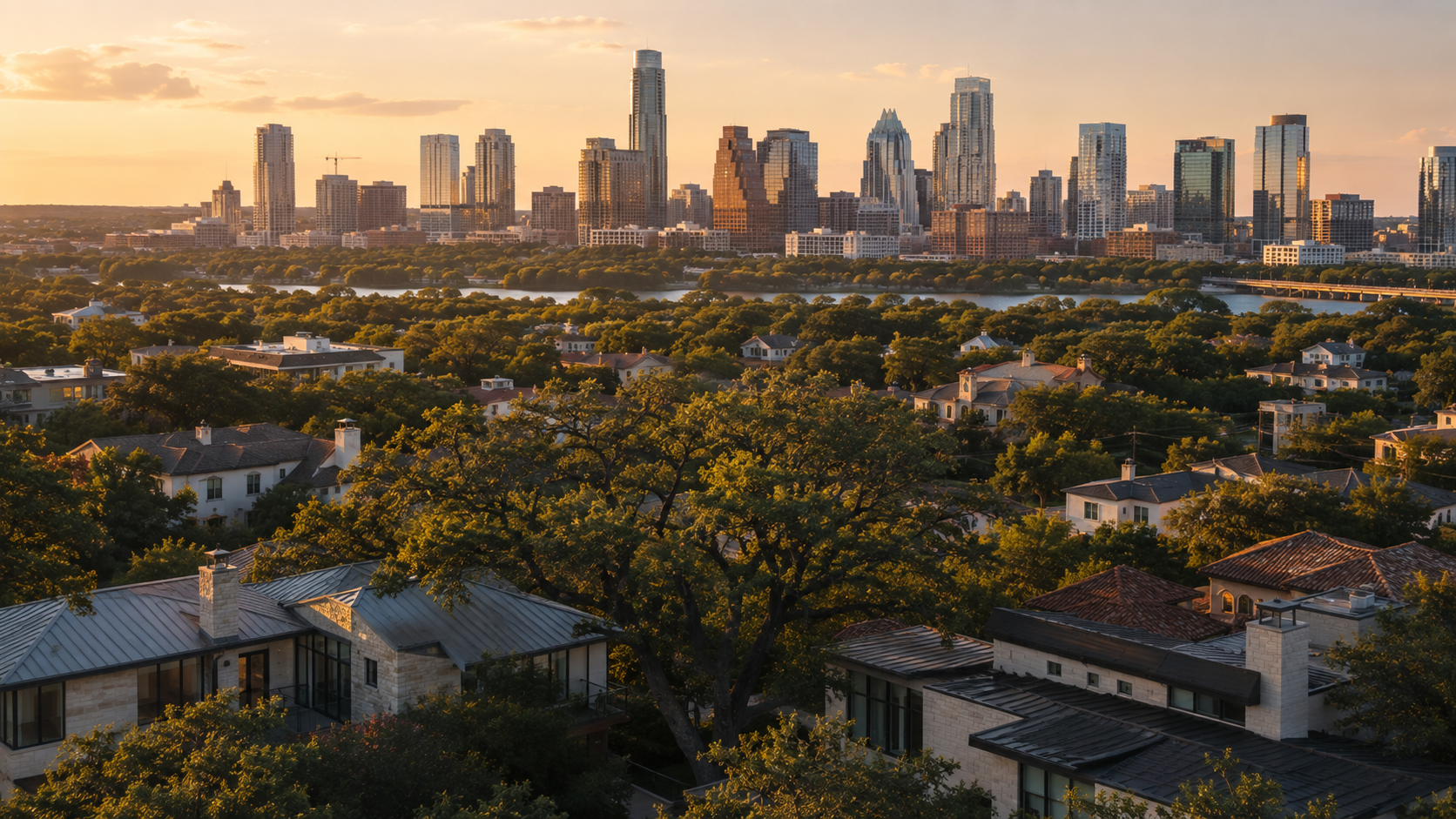
Texas Homestead Exemption 2026: The New $140,000 Rules, What They Actually Save in Austin, and the Cap That Dies in December
The Texas homestead exemption jumped to $140,000 in November 2025 ($200,000 at 65+). Full Austin entity-by-entity math, worked examples at $650K and $2.5M, the two-year refund window, and the investor cap expiring December 31, 2026.
2026-08-20 • 17 min read
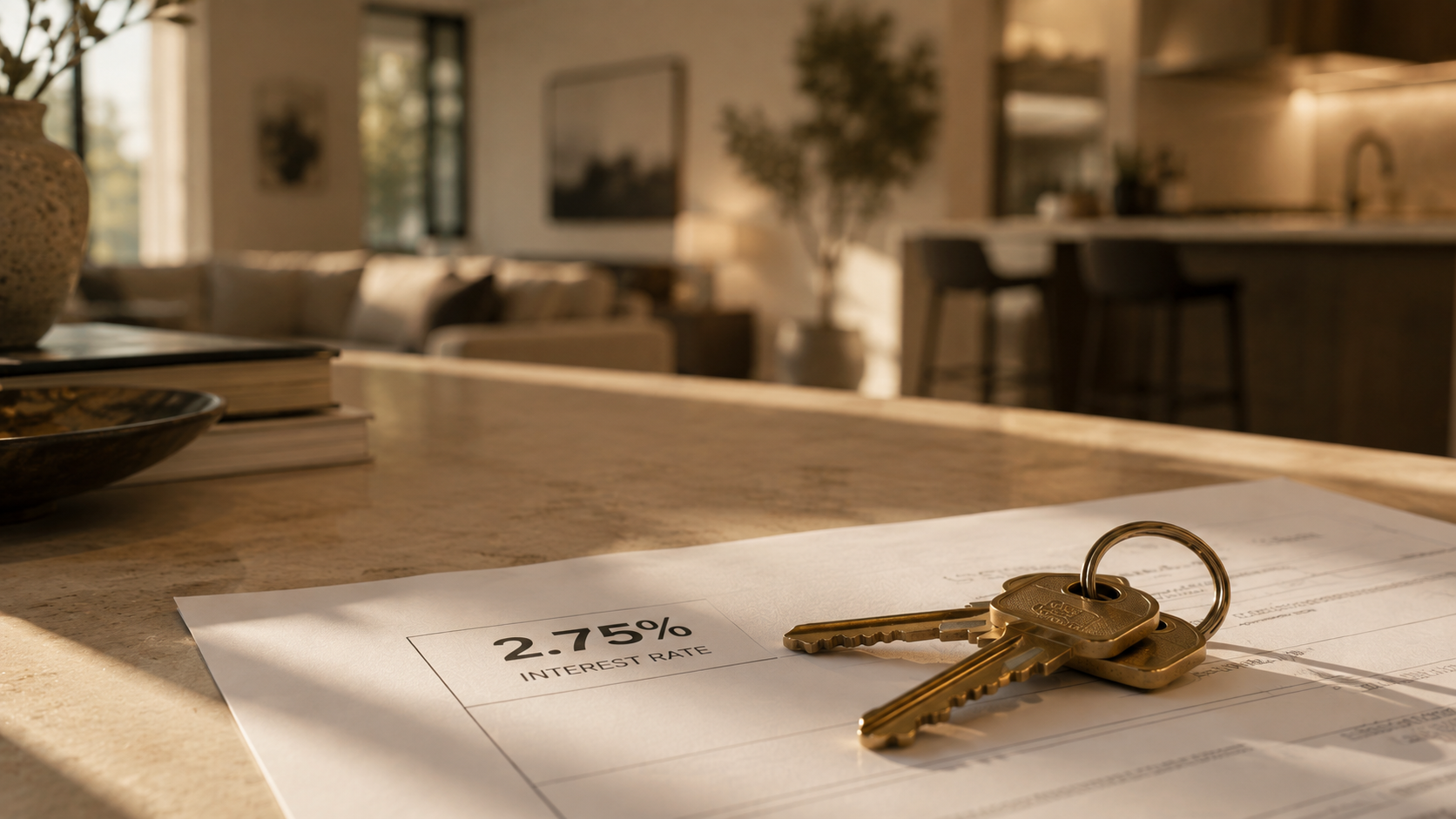
Assumable Mortgages in Austin: How Buyers Are Getting 2.75% in a 6.67% World
294 Austin homes have assumable 3% mortgages right now. The 2026 guide to finding them, funding the equity gap, and what sellers should charge for the note.
2026-08-18 • 16 min read
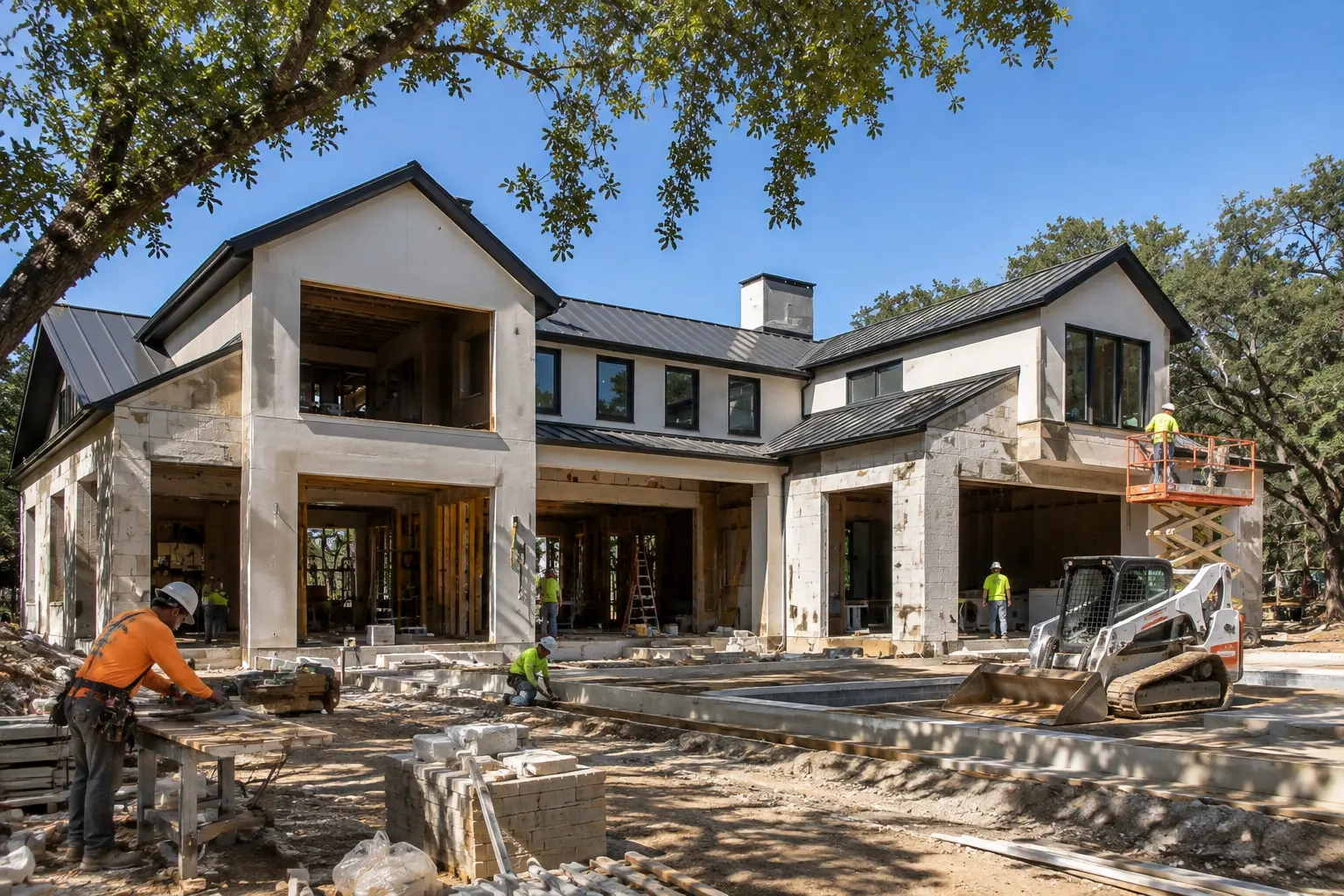
What It Really Costs to Build a Custom Home in Austin in 2026 (And When You Shouldn't)
What it actually costs to build a custom home in Austin in 2026: per-square-foot tiers, the full cost stack, tariffs, permits, and when buying beats building.
2026-08-15 • 16 min read
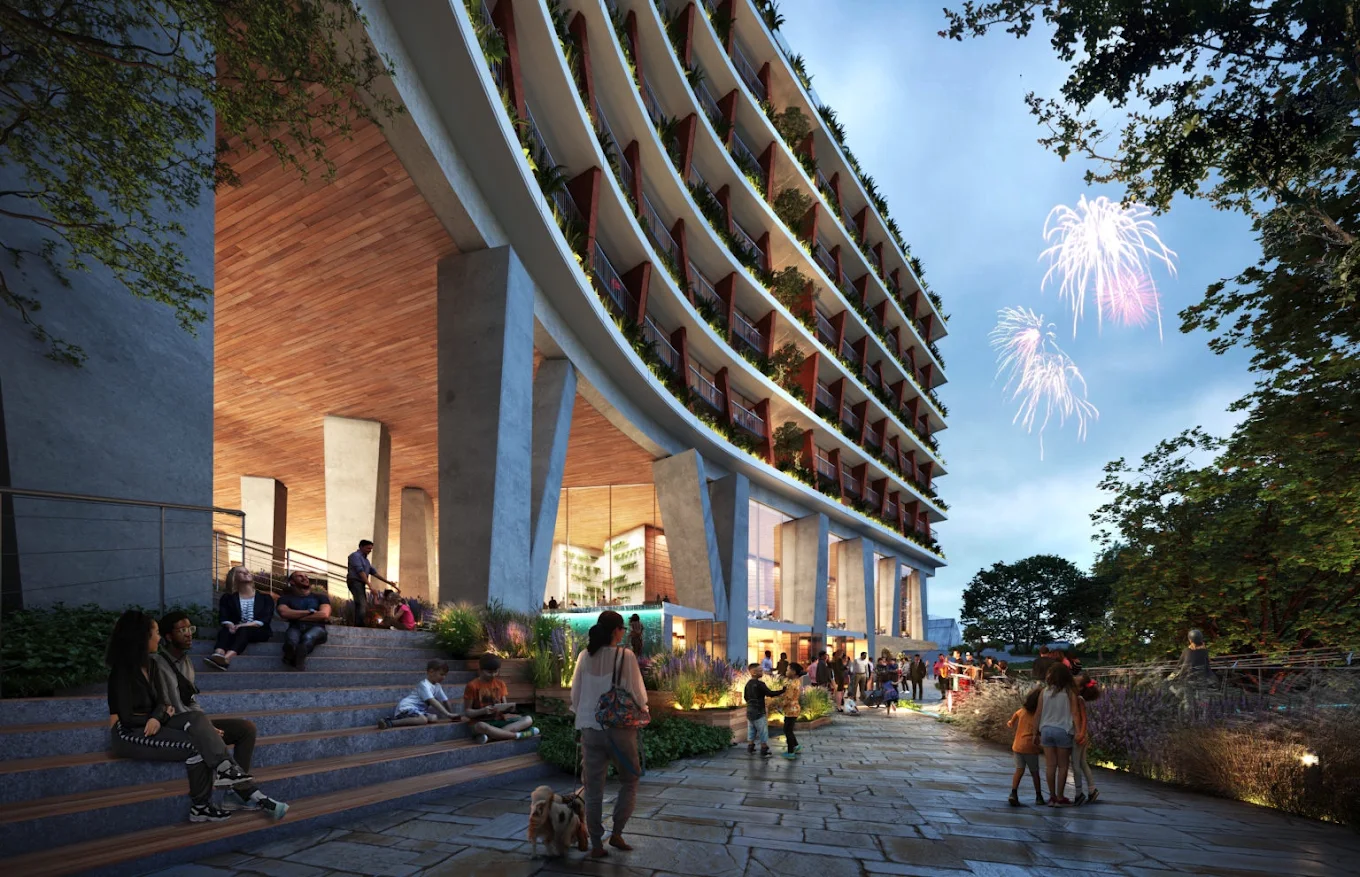
Downtown Austin Condos in 2026: Texas Built Its Tallest Tower and Put Nothing in It for Sale
Texas built its tallest tower and put zero units up for sale. Downtown Austin condo prices, HOA fees by building, worked carry math, and why the resale market just became the only game in town.
2026-08-12 • 20 min read