What It Really Costs to Build a Custom Home in Austin in 2026 (And When You Shouldn't)
What it actually costs to build a custom home in Austin in 2026: per-square-foot tiers, the full cost stack, tariffs, permits, and when buying beats building.
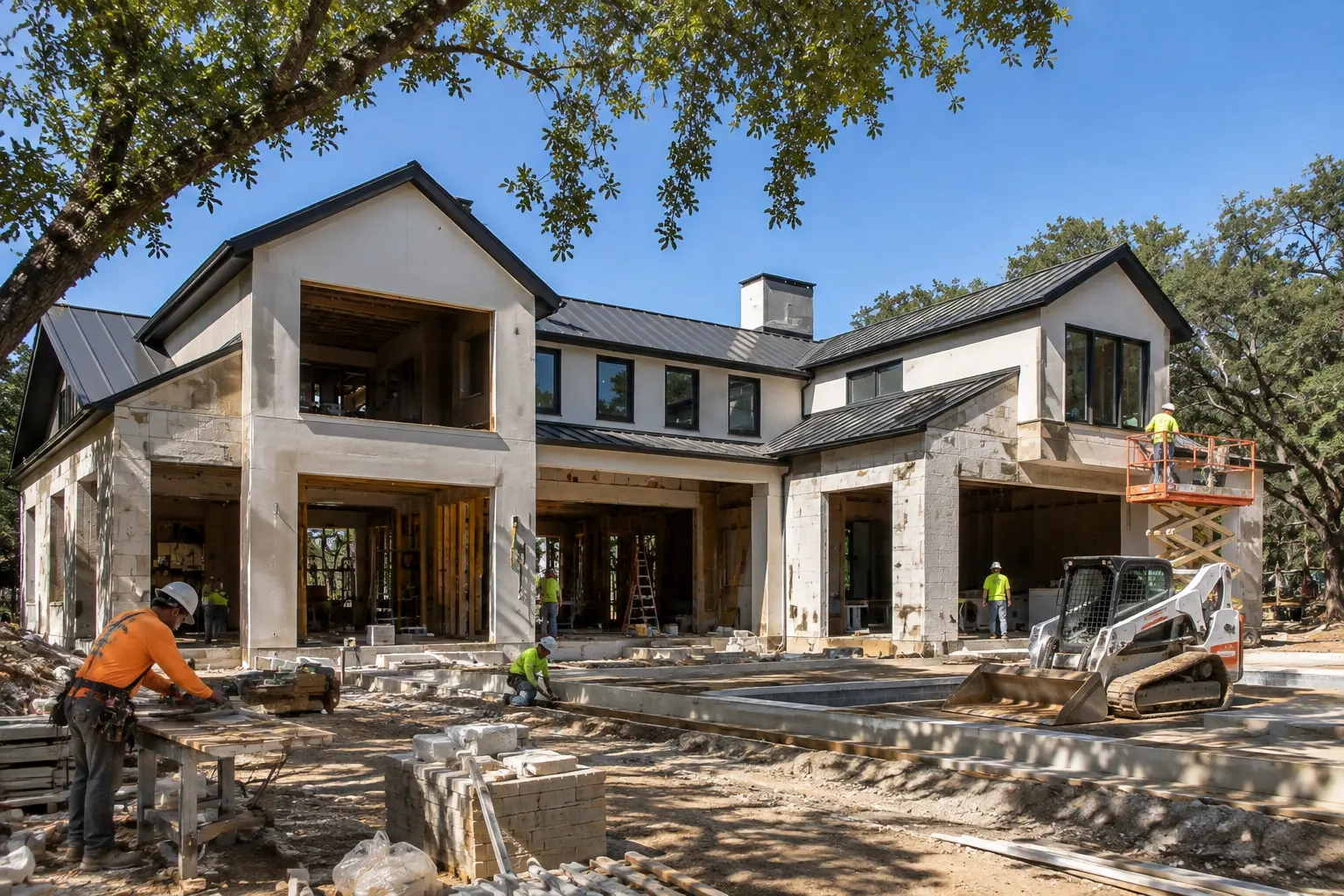
Here is the number nobody puts on the billboard: a 4,000 square foot full custom home on a Westlake teardown lot pencils out to roughly $4 million all-in right now. Call it $1,000 per square foot once every real line item is counted. Meanwhile, the median home that actually sold in 78746 over the last twelve months traded at $561 per square foot, per Unlock MLS data through July 2026.
Read that again. In much of Austin, existing homes are trading below what it costs to replace them. That is the single most important fact in this article, and it cuts both ways. It means 2026 is a historically strong moment to buy a finished home. It also means the people who build anyway, for the right reasons, will own product that gets scarcer every year the math stays upside down.
This is the full accounting: what construction costs per foot, what the brochure number leaves out, what tariffs and regulation actually add, how Austin's brand-new permit timelines work, and a worked example that shows you the entire stack. Then the honest part: when building still wins.
Austin construction cost per square foot in 2026
Austin is consistently the most expensive market to build in Texas. Higher land basis, a tight skilled-labor pool, and Hill Country site conditions (rock excavation, steep-slope foundations) push it above Houston, Dallas, and San Antonio. Here is where published 2026 pricing from Austin-area builders converges, for hard construction costs only:
Production / tract
- 2026 cost per SF (hard costs)
- $160 to $225
- 4,000 SF construction cost
- $640K to $900K
- What you get
- Builder's plans, limited selections, volume trades
Semi-custom
- 2026 cost per SF (hard costs)
- $225 to $325
- 4,000 SF construction cost
- $900K to $1.3M
- What you get
- Modified plans, upgraded finishes, some structural choices
Full custom
- 2026 cost per SF (hard costs)
- $325 to $500
- 4,000 SF construction cost
- $1.3M to $2.0M
- What you get
- Your architect, your plans, quality trades, unique lot response
Luxury custom
- 2026 cost per SF (hard costs)
- $500 to $1,000+
- 4,000 SF construction cost
- $2.0M to $4.0M+
- What you get
- Architectural pedigree, imported materials, complex structural work, estate-level systems
Two things about this table before you anchor on a number.
First, these ranges have held roughly steady since late 2024, with one exception: tariffs on lumber, steel, cabinets, and imported fixtures added an estimated $10,000 to $25,000 per project starting in early 2026, and builders report an average tariff-driven cost increase of roughly $10,900 per home per NAHB survey data. More on that below.
Second, and far more important: the per-square-foot construction number is only about 60 to 65 percent of your total project cost. The rest is land, site work, design fees, permits, contingency, and the carrying costs of owning a very expensive hole in the ground for a year and a half. Builders quote the 60 percent. You pay the 100 percent.
The full cost stack: a worked Westlake example
Here is what a real 4,000 square foot full custom build looks like on a 78746 teardown lot in 2026, at $450 per foot hard cost, which is mid-range for true custom work in Eanes ISD:
Lot acquisition (teardown basis)
- Cost
- $1,200,000
- Notes
- Buildable Westlake teardowns; premium view or creek lots run higher
Demolition and clearing
- Cost
- $35,000
- Notes
- Includes asbestos survey on pre-1980s structures
Site work
- Cost
- $150,000
- Notes
- Rock excavation, retaining, grading, utility trenching. Limestone is not negotiable
Hard construction (4,000 SF x $450)
- Cost
- $1,800,000
- Notes
- Vertical construction only
Architecture, engineering, geotech, survey
- Cost
- $162,000
- Notes
- Roughly 9% of hard costs for full custom
Permits, plan review, tap fees, tree mitigation
- Cost
- $30,000
- Notes
- City of Austin fees are modest; the cost of regulation is embedded elsewhere
Pool, spa, outdoor living
- Cost
- $200,000
- Notes
- Assume every buyer at this level expects it, because they do
Landscape, hardscape, irrigation
- Cost
- $100,000
- Notes
- Eanes-appropriate, not builder-grade
Contingency (10% of hard + site)
- Cost
- $195,000
- Notes
- Non-negotiable in 2026. Tariff volatility alone justifies it
Carrying costs, 18 months
- Cost
- $155,000
- Notes
- Lot property taxes plus construction loan interest on drawn balance
**All-in total**
- Cost
- **$4,027,000**
- Notes
- **$1,007 per square foot**
Sensitivity: every $25 per square foot of construction cost moves this total by $100,000. Drop to $400 per foot hard cost and you land near $3.8 million. Push into true luxury spec at $600 and you clear $4.6 million before anyone argues about the range hood.
Now the comparison that matters. The 78746 median resale over the trailing twelve months is $561 per square foot (Unlock MLS via Agent Intel, T12 through July 2026). That median includes plenty of 1980s and 1990s housing stock, so it is not apples to apples. Like-new, recent-vintage luxury resale in Westlake typically trades in the $700s to low $800s per foot at the top of the market. Even against that flattering comp, the build premium is 25 to 35 percent, and you wait 18 to 24 months for the keys.
That is the honest math. Buying the 2021-built home at $3.0 to $3.2 million beats building its twin at $4.0 million, unless the twin is not what you want. We will get to that. If you are weighing the finished-home path, our guide to how to buy a luxury home in Austin walks the process, and the most expensive neighborhoods in Austin shows where the per-foot ceilings actually sit.
The Hill Country version, briefly
Run the same exercise on 5 acres outside Dripping Springs: land at roughly $450,000, well, septic, and power extension adding $90,000 to $130,000, and a 3,500 square foot Hill Country custom at $325 to $375 per foot. All-in you land between $2.1 and $2.3 million, roughly $600 to $660 per finished square foot. The 78620 median resale? $244 per square foot over the trailing twelve months (Unlock MLS via Agent Intel). Nobody builds in the Hill Country to save money. You build because the exact land-and-house combination you want does not exist on the open market. We covered the full acreage cost stack, ag exemptions, and rollback rules in our guide to buying land in the Texas Hill Country.
The $131,734 you cannot see: regulation and tariffs
Two macro forces sit inside every 2026 build budget, and most owners never see either one itemized.
Regulation. A June 2026 NAHB study puts the cost of government regulation, meaning code changes, impact and permit fees, development requirements, and the carrying cost of delay, at $131,734 per new single-family home nationally, or 26.4 percent of the average new home price. That burden is up 40 percent in five years, from $93,871 in 2021. Austin's fee schedule itself is not the villain; a residential building permit and plan review typically runs low four figures to low five figures even on a large custom. The regulatory cost hides in engineered requirements, review cycles, and time.
Tariffs. The 2025-2026 trade war ran straight through the lumber yard. The timeline, because it explains why your builder's bid has an escalation clause:
Early 2025
- What happened
- Existing anti-dumping and countervailing duties
- Effective duty on Canadian lumber
- 14.5%
Mid 2025
- What happened
- Commerce Department more than doubles duties
- Effective duty on Canadian lumber
- 35%
Oct 14, 2025
- What happened
- Section 232 adds 10% on softwood lumber; cabinet and furniture tariffs announced
- Effective duty on Canadian lumber
- ~45%
Jan 1, 2026
- What happened
- Kitchen cabinet tariffs double to 50%
- Effective duty on Canadian lumber
- ~45% on lumber, 50% on cabinets
Feb 23, 2026
- What happened
- Supreme Court strikes down the reciprocal tariff program; Section 232 duties survive
- Effective duty on Canadian lumber
- Uncertainty, refund process begins
Aug 2026
- What happened
- Revised preliminary rates take effect
- Effective duty on Canadian lumber
- ~36% (25.9% AD/CVD plus 10% Section 232)
The saving grace: framing lumber itself sits around $550 to $590 per thousand board feet, down more than 60 percent from the May 2021 peak of $1,419, so the duty is raising the floor under an otherwise soft commodity. But an AGC-NCCER survey found 43 percent of general contractors had projects canceled, postponed, or scaled back due to tariff-driven material costs. The practical playbook for owners: lock material pricing 4 to 6 months before start, read the escalation clause before you sign it, and treat the 10 percent contingency as spoken for. Also remember Texas charges 8.25 percent sales tax on materials; it is in your builder's number, but it is real money at this scale.
Permits in 2026: Austin finally sped up
This is genuinely new. Effective July 1, 2026, the City of Austin's Development Services Department cut its published residential review timelines. New construction and additions now carry a 10 business day first-review target, with update submittals at 7 business days. The city also launched an AI Pre-Check beta (powered by Archistar) that screens residential plans for zoning issues before formal submittal, plus a self-certification path for Texas-licensed architects and certified building designers on qualifying projects, and a Small Tree Fee Credit program (June 2026) that rewards preserving trees under 19 inches.
Before you celebrate: the 10 day clock is per review cycle, and most custom homes take two to three cycles. The real timeline driver is which additional reviews your project triggers. For luxury builds, the answer is usually "several":
Structure over 3,600 SF total under roof
- Review added
- Fire review
- Who it catches
- Essentially every luxury build in the city
Wildland Urban Interface location
- Review added
- WUI code review
- Who it catches
- Most of the West Austin corridor
Trees 19 inches or larger on or adjacent to the lot
- Review added
- Tree ordinance review
- Who it catches
- Nearly every mature Westlake or Tarrytown lot
Within 100 feet of a creek centerline
- Review added
- Erosion Hazard Zone review
- Who it catches
- Creekside and canyon lots
Structure 45+ years old being demolished
- Review added
- Historic review
- Who it catches
- Most central Austin teardowns
Septic on site
- Review added
- OSSF review with Austin Water
- Who it catches
- Acreage and older West Austin properties
A clean lot with a responsive design team can permit in 6 to 10 weeks under the new timelines. A steep, treed, creekside lot in the WUI, which is to say the exact lot luxury buyers want, can still take 4 to 7 months. The single highest-ROI habit: respond to Master Comment Reports in 48 to 72 hours, not three weeks. The review clock is the city's. The response clock is yours.
Outside Austin city limits, in Travis, Hays, or Williamson County jurisdiction, the process is dramatically lighter, which is one underrated reason the custom market keeps sliding west and south.
The real timeline: 16 to 24 months
Architect selection and design
- Duration
- 3 to 5 months
- What burns time
- Decision speed. Yours, not theirs
Engineering and permitting
- Duration
- 2 to 5 months
- What burns time
- Review cycles, tree and WUI tracks
Construction
- Duration
- 11 to 16 months
- What burns time
- Weather, inspections, selections made late
**Total, contract to keys**
- Duration
- **16 to 24 months**
- What burns time
Money detail most owners miss: construction loans in 2026 run roughly a point above conventional mortgage rates, interest-only on the drawn balance, converting to permanent financing at completion. On the Westlake example above, that interest plus lot taxes is the $155,000 carrying line. Time is a line item.
So who should still build? The honest answer
If the resale market is trading below replacement cost, why would anyone build? Four legitimate reasons, and they explain nearly every custom project Echelon Property Group has been involved with:
- 01The product does not exist. True single-story contemporary on flat usable acreage. A canyon-view lot with a specific orientation. A compound with a guest house, a wellness wing, and a twelve-car collection space. Austin's luxury resale inventory is deep right now (we broke down the 5.65 months of 78746 inventory and 54.7 percent listing success rate in why luxury homes fail to sell in Austin), but it is deep in a narrow band of 2000s Mediterranean and 2010s transitional. If your exact product is not in it, building is not a premium. It is the only path.
- 01The hold horizon is generational. A 30 percent build premium amortized over 15 or 20 years in a supply-constrained school district is a rounding error. The same premium on a 4 year hold is a losing trade.
- 01The lot is the alpha. The best teardowns, creek lots, and view parcels in West Austin rarely hit the MLS. They trade quietly, seller to buyer, through agent networks, before a sign ever goes up. Every transaction over $2 million that Echelon Property Group has closed happened entirely off-MLS, and sourcing dirt is the same discipline. Our team created a 9-acre multi-parcel assemblage in Southeast Austin from scratch, so we treat land acquisition as its own deal, not a shopping trip. If you are building, the lot decision is 40 percent of the outcome and it is made in the first month. See how off-market homes actually trade in Austin.
- 01The below-replacement math eventually flips. When resale trades below replacement cost, builders stop building, spec pipelines thin, and new-product scarcity compounds. The owner delivering a finished custom home into 2028 faces less brand-new competition than at any point in the last decade. That is not a reason to build casually. It is a reason the people building deliberately are not crazy.
And the appraisal warning that belongs in every 2026 build conversation: in a below-replacement market, custom homes frequently do not appraise for their cost at completion. If you build, underwrite your equity on comparable sales, not on your invoices.
Build, buy, or buy the almost-right house
The decision framework Echelon Property Group actually uses with clients:
Buy finished if a 90 percent match exists in resale. The 10 percent gap costs less to renovate than the 25 to 35 percent build premium plus two years of your life, and today's inventory gives buyers negotiating leverage that did not exist in 2021 (78746 sellers are averaging 5.17 percent below list at close, per Unlock MLS T12 data). If you are trading out of a current home first, run the numbers in our breakdown of what it costs to sell a house in Austin.
Build if the match does not exist, the hold is long, and you control a superior lot. Then execute like an investor: fixed-price contract where possible, escalation clauses capped, 10 percent contingency untouched until drywall, selections finalized before foundation, and comment reports answered inside 72 hours.
Either way, the first conversation is not with a builder. It is with someone who can show you what your target product actually trades for, on and off the MLS, before you commit seven figures to finding out.
Thinking about building, or weighing a build against the resale market? Taylor Sherwood and Echelon Property Group advise clients across Travis, Williamson, and Hays counties on lot acquisition, teardown sourcing, and build-versus-buy analysis, with particular depth in off-market land. Call 512.661.3843 or email taylor@echelonpropertygroup.com.
Frequently Asked Questions
How much does it cost to build a house in Austin in 2026?
Hard construction costs run $160 to $225 per square foot for production homes, $225 to $325 for semi-custom, $325 to $500 for full custom, and $500 to $1,000 or more for luxury custom work. Construction is only 60 to 65 percent of total project cost; land, site work, design, permits, contingency, and carrying costs make up the rest.
What does it cost to build a 4,000 square foot custom home in Westlake?
Roughly $3.8 to $4.2 million all-in on a teardown lot: about $1.2 million for the lot, $1.8 million in hard construction at $450 per square foot, and roughly $1 million across site work, design fees, permits, pool and landscape, contingency, and 18 months of carrying costs. That is about $1,000 per finished square foot.
Is it cheaper to build or buy a home in Austin right now?
Buying, in most cases. The 78746 median resale traded at $561 per square foot over the trailing twelve months while all-in custom construction pencils near $1,000 per square foot, and even like-new luxury resale trades 25 to 35 percent below replacement cost. Building wins when the product you want does not exist in resale inventory, your hold period is long, or you control a superior lot.
How long does it take to build a custom home in Austin?
Plan on 16 to 24 months from architect engagement to move-in: 3 to 5 months of design, 2 to 5 months of engineering and permitting, and 11 to 16 months of construction. Complex lots with tree, wildfire, or erosion reviews sit at the long end.
How long do Austin building permits take in 2026?
Effective July 1, 2026, the City of Austin cut its first-review target for new residential construction to 10 business days, with updates at 7 business days. Most custom homes need two to three review cycles, and structures over 3,600 square feet trigger Fire review, so realistic permitting runs 6 to 10 weeks on clean lots and 4 to 7 months on complex ones.
How have tariffs affected Austin construction costs?
Builders report an average tariff-driven increase of roughly $10,900 per home. Duties on Canadian lumber peaked near 45 percent in late 2025 and are easing to roughly 36 percent as revised rates take effect in August 2026, while kitchen cabinet tariffs doubled to 50 percent on January 1, 2026. Most builders now include escalation clauses, which is one more reason to carry a full 10 percent contingency.
What site costs surprise people building in the Hill Country?
Rock excavation and steep-slope foundations, retaining walls, and rural infrastructure. A well, septic system, and power extension together commonly add $90,000 to $130,000 on acreage, before the driveway.
Will a new custom home appraise for what it cost to build?
Often not in 2026. With resale trading below replacement cost across much of the Austin market, appraisals anchored to comparable sales frequently come in under total project cost at completion. Build for the product and the hold period, and underwrite your equity on comparable sales, not invoices.
Taylor Sherwood is the founder and principal REALTOR at Echelon Property Group (brokered by eXp Realty), with 11+ years of experience, more than $155 million in career sales across 200+ transactions, and CLHMS (Guild), GRI, and ABR designations. Every transaction over $2 million in his career has closed off-MLS.
Continue Exploring
Three places to go from here

ABOUT THE AUTHOR
Taylor Sherwood
Austin Real Estate Advisor · Echelon Property Group
Taylor Sherwood is a Certified Luxury Home Marketing Specialist (CLHMS) and top-performing Austin real estate advisor. He specializes in luxury residential properties, land development, commercial real estate, and investment property across Austin and the Texas Hill Country. With deep market expertise and a results-driven approach, Taylor helps buyers, sellers, and investors navigate Austin's most competitive real estate segments.
Related Reading
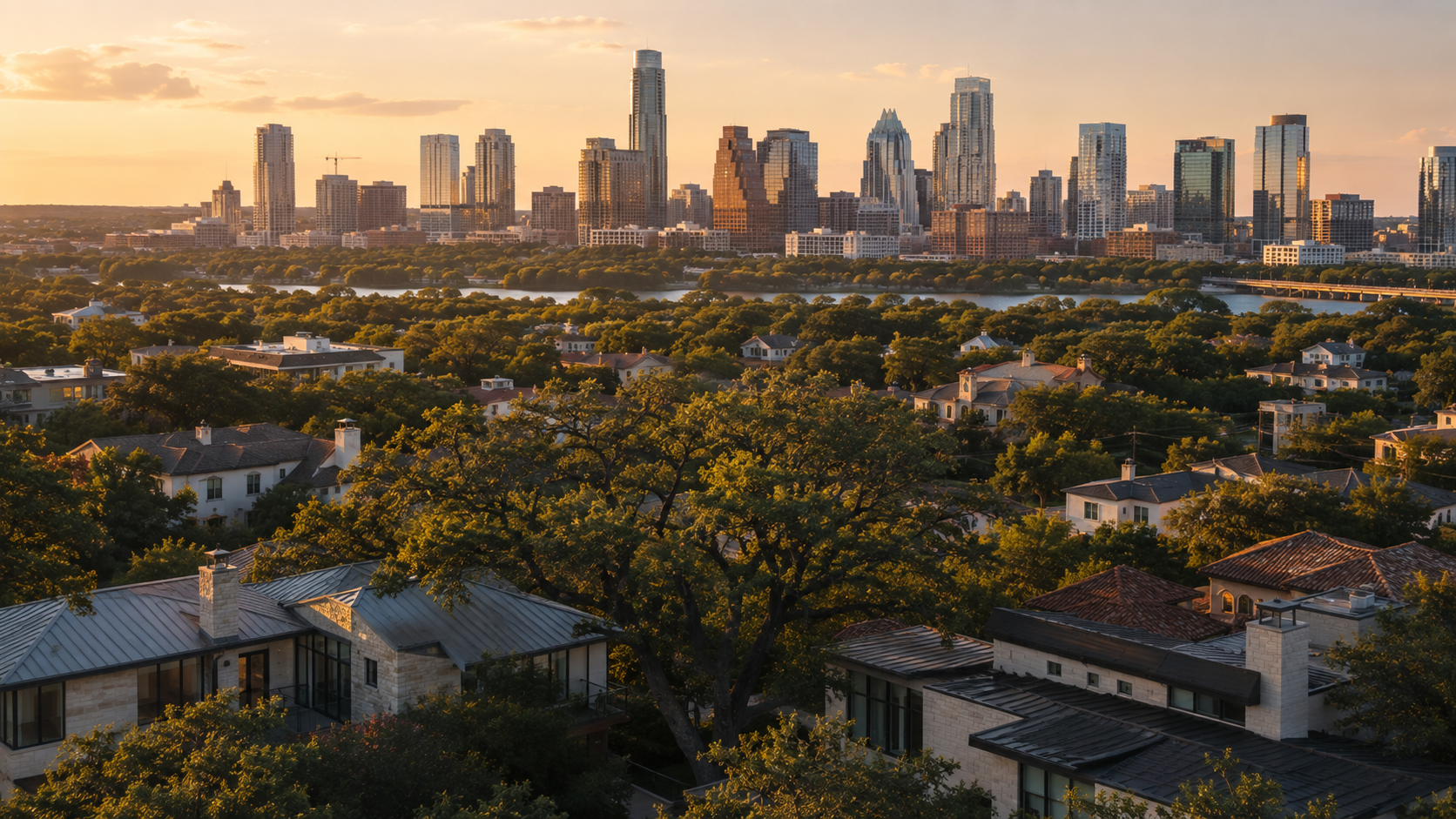
Texas Homestead Exemption 2026: The New $140,000 Rules, What They Actually Save in Austin, and the Cap That Dies in December
The Texas homestead exemption jumped to $140,000 in November 2025 ($200,000 at 65+). Full Austin entity-by-entity math, worked examples at $650K and $2.5M, the two-year refund window, and the investor cap expiring December 31, 2026.
2026-08-20 • 17 min read
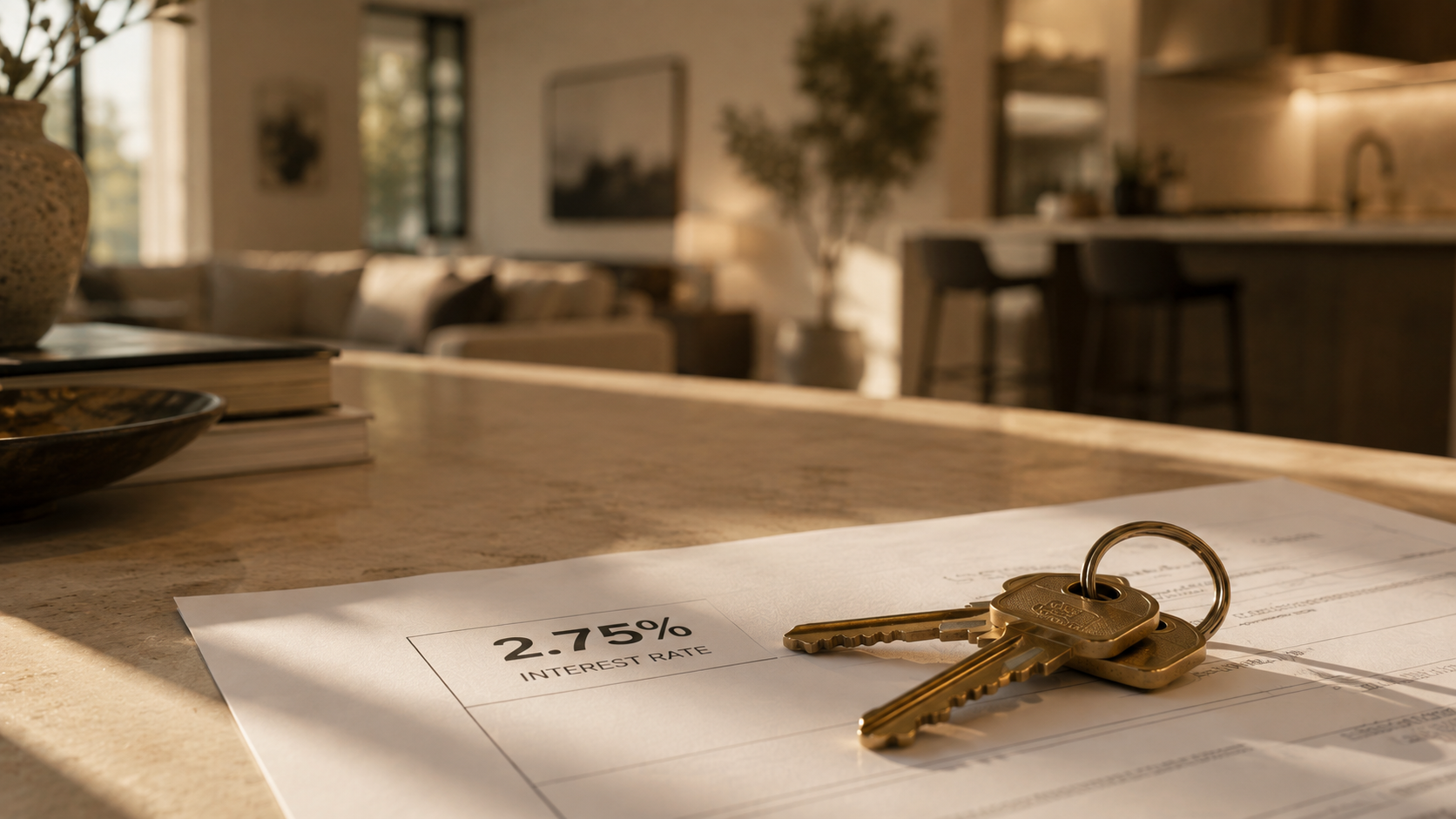
Assumable Mortgages in Austin: How Buyers Are Getting 2.75% in a 6.67% World
294 Austin homes have assumable 3% mortgages right now. The 2026 guide to finding them, funding the equity gap, and what sellers should charge for the note.
2026-08-18 • 16 min read
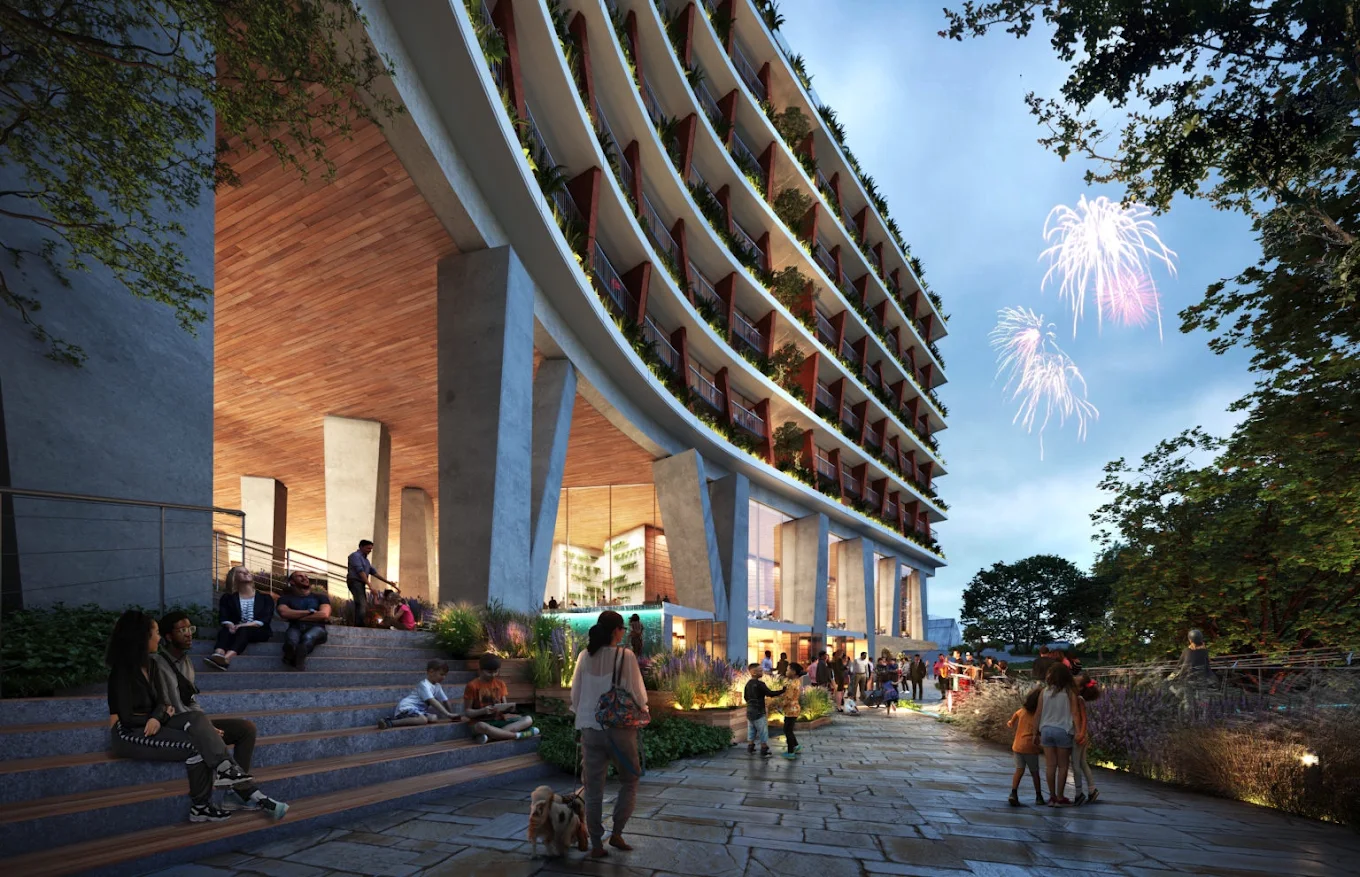
Downtown Austin Condos in 2026: Texas Built Its Tallest Tower and Put Nothing in It for Sale
Texas built its tallest tower and put zero units up for sale. Downtown Austin condo prices, HOA fees by building, worked carry math, and why the resale market just became the only game in town.
2026-08-12 • 20 min read
MUD and PID Taxes in Austin: What That Extra Line on the Tax Bill Really Costs
What MUD and PID taxes cost in Austin in 2026: real district rates, the maturity curve, payoff math, disclosure rights, and how to buy around them.
2026-08-11 • 18 min read