Austin Luxury Real Estate Market Outlook
A strategic look at the austin luxury real estate market, from pricing power and private inventory to micro-markets shaping buyer and seller decisions.
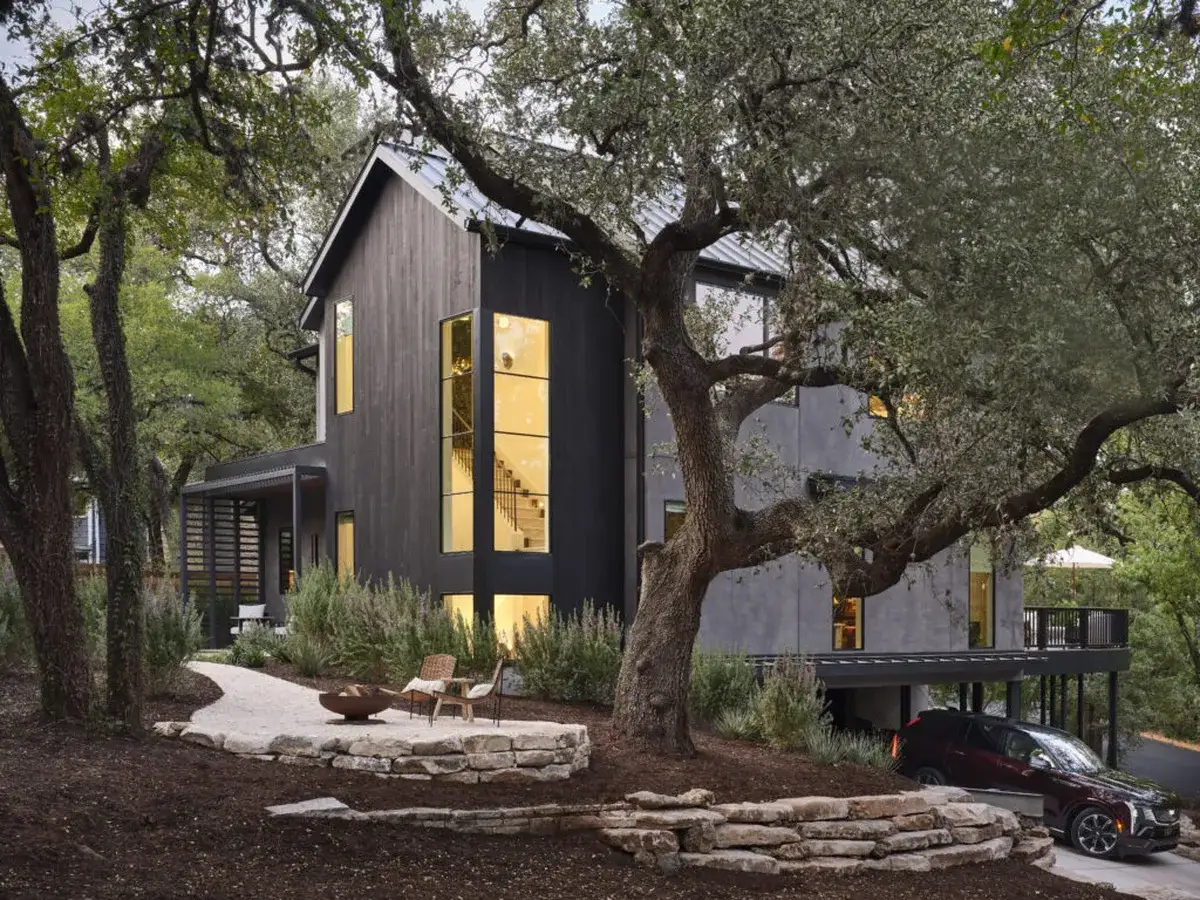
A $3 million home in Austin does not trade for the same reasons it did three years ago. Today, buyers are more selective, sellers are being judged against sharper standards, and the spread between a well-positioned asset and an average luxury listing can be significant. That is what makes the austin luxury real estate market more strategic than headline-driven.
At the top end, broad city averages rarely tell the full story. Luxury activity in Austin is shaped by micro-markets, school alignment, lot quality, architecture, privacy, and whether a property feels replaceable or genuinely scarce. For executives relocating from coastal markets, founders after a liquidity event, and investors looking for durable value, the real opportunity is in understanding what actually commands attention when price sensitivity becomes more nuanced.
What is shaping the Austin luxury real estate market now
The market has matured. That matters. Austin is no longer trading purely on momentum, migration, or brand heat. It is trading on conviction.
Luxury buyers still want Austin for the same core reasons - business growth, tax advantages, lifestyle, and a deepening bench of cultural and private-school infrastructure. But they are no longer willing to overpay simply to secure a foothold. They expect quality, and they expect logic behind pricing.
This is creating a healthier dynamic at the upper end. Exceptional homes continue to attract interest, especially when they offer a combination of land, design integrity, location, and privacy. Homes that are compromised - whether by busy roads, dated execution, awkward floor plans, or inflated expectations - tend to sit longer and negotiate harder.
That gap is one of the defining features of the current luxury cycle. In practical terms, Austin is not a market where every premium home rises together. It is a market where the best assets preserve leverage and the rest need a stronger pricing story.
Why Austin micro-markets matter more than citywide averages
The luxury segment in Austin is really a collection of smaller markets with different buyer pools and different pricing behaviors. West Lake Hills, Tarrytown, Barton Creek, Pemberton Heights, Rollingwood, and select waterfront and hill country corridors do not move in lockstep.
In close-in neighborhoods, the premium is often about time and access. Buyers are paying for proximity to downtown, private schools, established trees, architectural pedigree, and a level of neighborhood permanence that is increasingly hard to replicate. In these areas, teardown economics, lot scarcity, and municipal restrictions can all support long-term pricing power.
Further out, the value equation changes. Gated communities, golf access, newer construction, larger parcels, and resort-style amenities can be compelling, particularly for buyers prioritizing security, turnkey living, or multigenerational flexibility. But the buyer universe may be narrower, and resale strength can depend more heavily on execution and timing.
That is why serious participants in the Austin luxury real estate market look beyond median price charts. A modern build on a premier Tarrytown street and a large custom home in an outer luxury enclave may sit at similar price points, but they trade on very different drivers. One may appeal to a buyer who values irreplaceable location. The other may win on scale, amenities, and newer product. Neither is inherently better. It depends on the client, the hold period, and the likely exit profile.
The private market is influencing outcomes
Public inventory is only part of the story. In luxury, some of the most important opportunities never become broadly visible.
Private listings and quiet placements remain a meaningful layer of the Austin market, particularly for sellers who value discretion and buyers who want access before a property is fully exposed. This is especially relevant in price tiers where owners are not motivated by convenience alone. They care about who sees the home, how it is positioned, and whether the process protects privacy.
For buyers, this changes the search process. If your strategy relies only on what appears on major portals, you are seeing a curated version of the market, not the full one. Some of the strongest acquisitions happen because a buyer is introduced to the right opportunity before competition formalizes.
For sellers, private-market access is not always the right answer, but it can be highly effective when the home is distinctive and the target buyer profile is clear. The best approach depends on whether broad exposure will create pricing tension or whether selective outreach will deliver a cleaner result.
What sophisticated buyers are prioritizing
Luxury buyers in Austin are still motivated, but they are increasingly disciplined. They are looking for properties that feel difficult to recreate and easy to defend over time.
Location remains the first filter, but not in a generic sense. Buyers are weighing street quality, topography, tree canopy, views, adjacency, and the practical realities of daily movement through Austin. A great address with frustrating access patterns can lose ground quickly against a slightly less central home with better livability.
They are also paying close attention to product quality. True luxury buyers can tell the difference between expensive finishes and lasting design. Homes with clean architecture, thoughtful scale, natural light, and strong indoor-outdoor flow continue to separate themselves. In a market with more selective demand, surface-level upgrades are less persuasive.
Privacy has also become more valuable. Gated entries, setback from the street, protected sight lines, and usable outdoor space matter more when buyers are balancing lifestyle with visibility. This is particularly true for public-facing executives and founders who want a home to function as a retreat, not just a status purchase.
From an investment perspective, buyers are asking a sharper question than they were in the recent past: if I needed to sell this asset in a less emotional market, what would still make it compelling? That is a healthy question, and it usually leads toward better acquisition decisions.
What sellers need to understand now
Luxury sellers still have strong opportunities in Austin, but presentation and pricing discipline are no longer optional.
A premium home can command excellent interest when it is aligned with the market. That means more than aspirational pricing. It means understanding where the property stands within its immediate competitive set, how much scarcity actually exists, and whether the home is likely to appeal to a broad luxury audience or a narrow one.
Overpricing at the top end tends to be expensive. It can reduce urgency, weaken first impressions, and position the home as negotiable before the right buyers ever engage. In luxury, time on market often becomes part of the negotiation.
Sellers should also think like asset managers, not just homeowners. What are buyers likely to discount? Deferred maintenance, overly personalized design, inferior outdoor usability, and compromised floor plans can all affect valuation. The goal is not to over-renovate blindly. It is to identify which improvements actually move perception and which are unlikely to return capital.
This is where strategic representation matters. The right advisor is not simply launching a listing. They are reading buyer psychology, understanding where private demand exists, and deciding whether the property should be positioned for velocity, quiet qualification, or a more selective campaign. That is a different discipline than standard brokerage, and in a market like this, it can affect the outcome.
Outlook for the Austin luxury real estate market
The forward view for the Austin luxury real estate market remains constructive, but selective. Austin continues to attract capital, executive relocations, and entrepreneurial wealth. Those demand drivers are real, and they support the city at the upper end.
What is less likely is a return to indiscriminate pricing. The next phase should favor quality, rarity, and properties that align with how affluent buyers actually live. Expect the best homes in the best submarkets to remain resilient. Expect average luxury product to face more scrutiny.
That distinction creates opportunity. Buyers with strong guidance can acquire exceptional assets more thoughtfully than they could in a purely reactive market. Sellers with truly differentiated homes can still outperform, especially when strategy matches the property. Firms such as Echelon Property Group operate in that advisory lane, where access, discretion, and pattern recognition across Austin micro-markets matter as much as exposure.
For anyone making a move at the top of the market, the real edge is not speed for its own sake. It is clarity - on asset quality, on timing, and on what will still look intelligent years after the transaction closes.
Continue Exploring
Three places to go from here

ABOUT THE AUTHOR
Taylor Sherwood
Austin Real Estate Advisor · Echelon Property Group
Taylor Sherwood is a Certified Luxury Home Marketing Specialist (CLHMS) and top-performing Austin real estate advisor. He specializes in luxury residential properties, land development, commercial real estate, and investment property across Austin and the Texas Hill Country. With deep market expertise and a results-driven approach, Taylor helps buyers, sellers, and investors navigate Austin's most competitive real estate segments.
Related Reading
Texas Homestead Exemption 2026: The New $140,000 Rules, What They Actually Save in Austin, and the Cap That Dies in December
The Texas homestead exemption jumped to $140,000 in November 2025 ($200,000 at 65+). Full Austin entity-by-entity math, worked examples at $650K and $2.5M, the two-year refund window, and the investor cap expiring December 31, 2026.
2026-08-20 • 17 min read
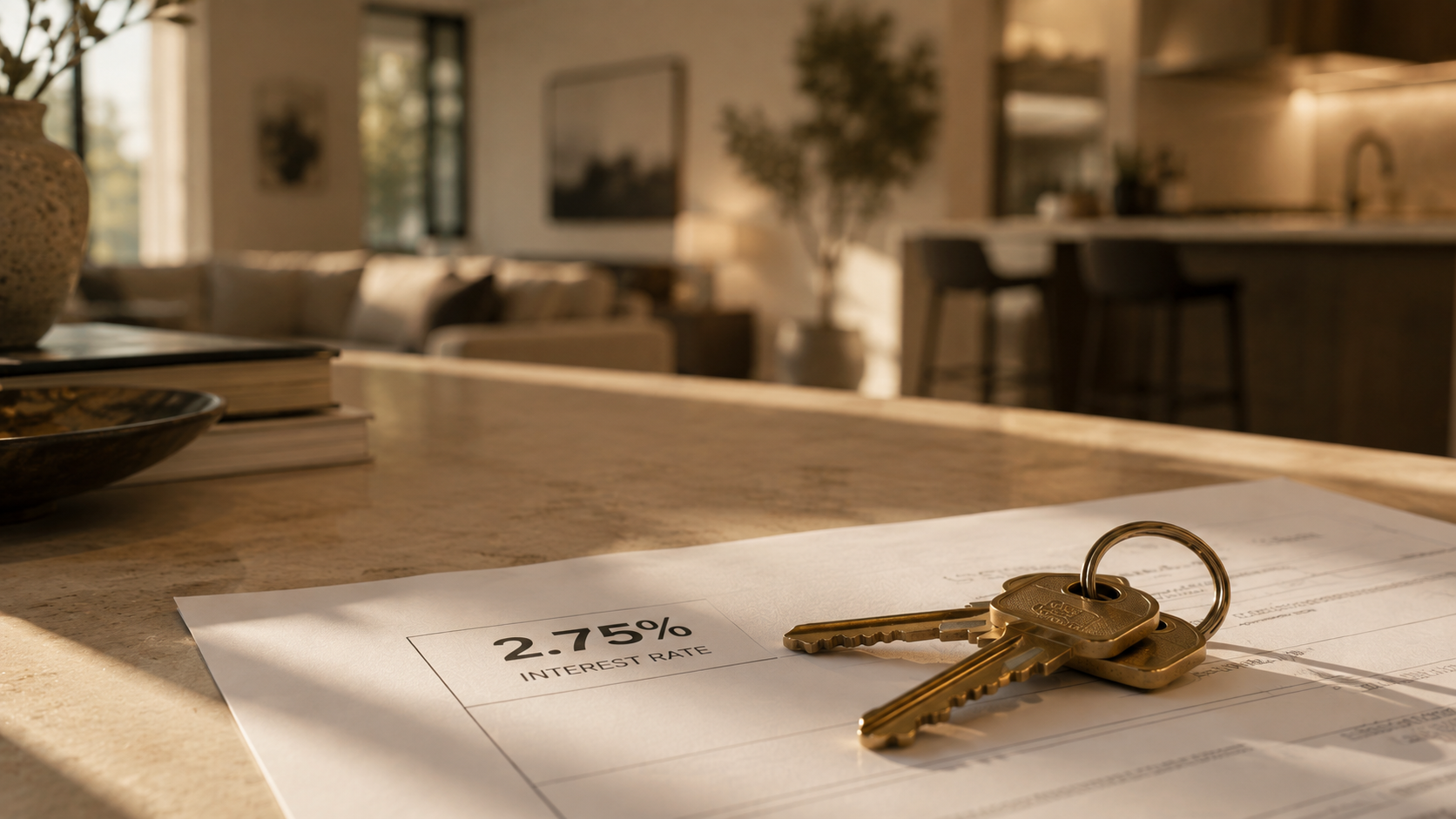
Assumable Mortgages in Austin: How Buyers Are Getting 2.75% in a 6.67% World
294 Austin homes have assumable 3% mortgages right now. The 2026 guide to finding them, funding the equity gap, and what sellers should charge for the note.
2026-08-18 • 16 min read
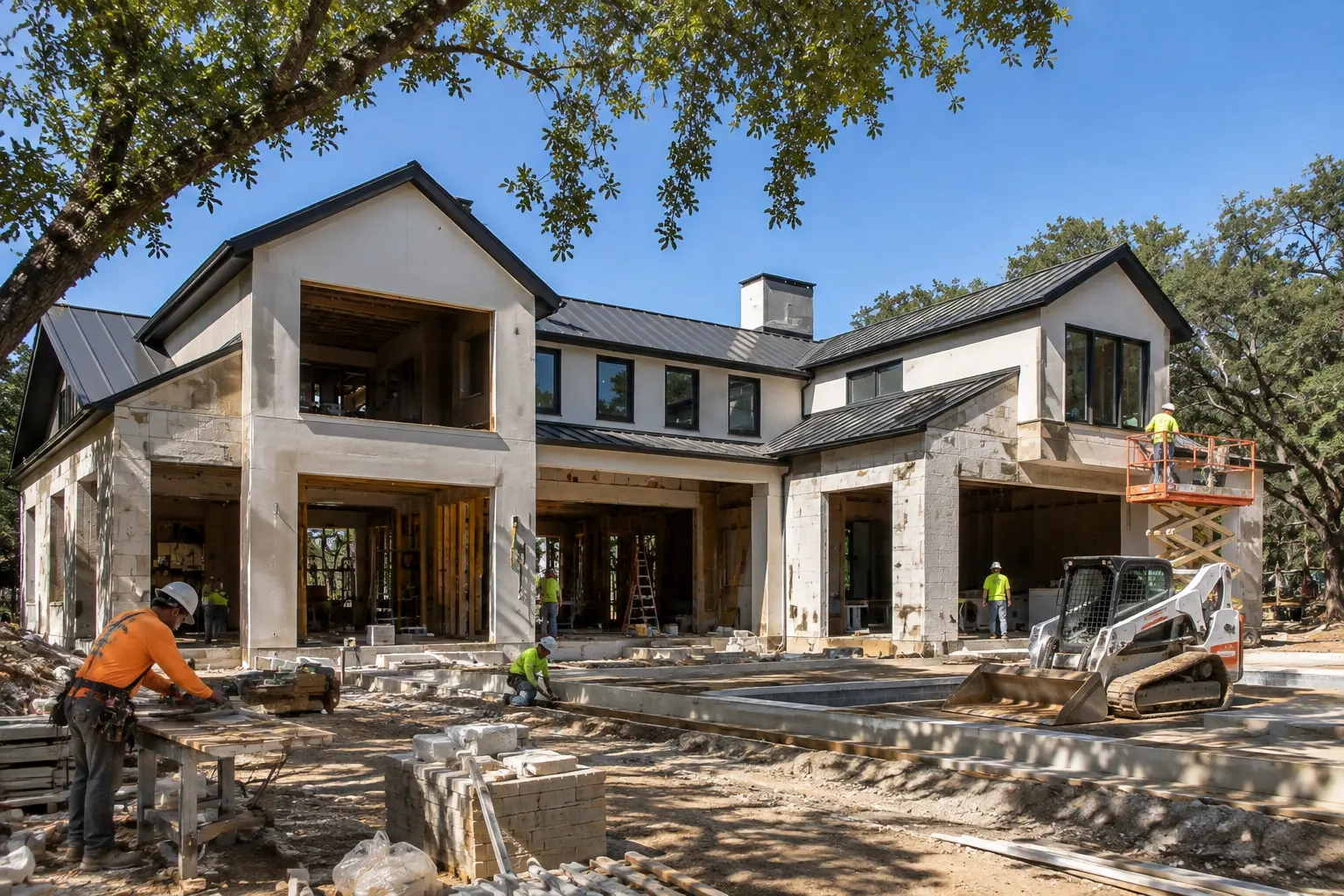
What It Really Costs to Build a Custom Home in Austin in 2026 (And When You Shouldn't)
What it actually costs to build a custom home in Austin in 2026: per-square-foot tiers, the full cost stack, tariffs, permits, and when buying beats building.
2026-08-15 • 16 min read
Downtown Austin Condos in 2026: Texas Built Its Tallest Tower and Put Nothing in It for Sale
Texas built its tallest tower and put zero units up for sale. Downtown Austin condo prices, HOA fees by building, worked carry math, and why the resale market just became the only game in town.
2026-08-12 • 20 min read