
Most of Austin's finest estates sit behind private gates and trade through advisor relationships long before they ever reach a public listing.
How Austin Luxury Buyers Access Private Property Networks
Some of Austin's most desirable homes trade quietly through advisor relationships, private buyer networks, and off-market channels long before they appear on Zillow, Redfin, or the MLS. This guide explains how high-net-worth buyers gain meaningful access to those private property networks across Tarrytown, Barton Creek, Lake Austin, and the Hill Country.
Most Austin luxury buyers are not losing because they move too slowly. They are losing because they never saw the property in the first place. Some of Austin's most desirable homes trade quietly through advisor relationships, private buyer networks, and off-market channels long before they appear on Zillow, Redfin, or the MLS.
If you are searching for a property in Tarrytown, Rob Roy, Barton Creek, or along Lake Austin, understanding how exclusive property networks actually function is the difference between seeing everything available and seeing only what was left after the serious buyers passed.
This guide walks through the specific steps high-net-worth buyers and sellers use to gain meaningful access to Austin's private real estate network. Not theoretical access. Actionable access. The kind that leads to off-market acquisitions, pre-market opportunities, and transactions that never touch a public database.
These steps apply whether you are relocating from California or New York, expanding a real estate portfolio, or simply unwilling to compete in open-market bidding situations. Each step builds on the previous one, so the sequence matters.
Step 1: Understand What Exclusive Property Networks Actually Are
Before you can access a private network, you need to understand what you are actually trying to access. The term gets used loosely, and that creates confusion.
An exclusive property network, in the Austin luxury context, refers to a set of overlapping channels through which high-value properties change hands without public exposure. These include advisor-to-advisor networks where trusted professionals share opportunities with each other's qualified clients, private listing databases accessible only to vetted advisors, direct seller relationships cultivated over years, and invitation-only buyer pools maintained by boutique brokerages.
It is worth distinguishing between three distinct categories. MLS-listed luxury properties are visible to anyone with an account or a basic internet search. Pocket listings are properties being marketed quietly within a brokerage or a small advisor circle before or instead of going public. Fully private transactions are a separate category entirely: properties that never enter any database, where buyer and seller connect through trusted intermediaries and the transaction closes without public record until the deed is filed.
Sellers choose private channels for specific reasons. Privacy is the most common. High-profile individuals do not want their home photographed and published. Others want to avoid the public days-on-market clock that begins the moment a property hits the MLS, which can affect perceived value if the property sits. Many sellers in the $3M and above range in neighborhoods like West Lake Hills, Rollingwood, and Barton Creek want to know that anyone walking through their home has been financially vetted and is genuinely capable of closing.
Here is the important distinction: exclusive network access is not the same as an agent who says they have exclusive listings. Many agents use that language to describe their own active listings, which is simply marketing. A genuine private network means relationships with other advisors, access to properties outside your own brokerage, and the credibility to be included in confidential conversations about sellers who are quietly considering a move.
If an advisor cannot describe specific transactions that occurred outside the MLS, they are likely not operating inside a real private network. Keep that standard in mind as you move through the steps that follow.
Step 2: Establish Your Credibility Before Making Contact
Access to private networks is earned through demonstrated credibility. It is not something you request. It is something you qualify for.
Advisors who protect high-net-worth sellers take their responsibility seriously. They will not expose a confidential listing to a buyer who cannot demonstrate financial capacity, clear intent, and a defined acquisition criteria. Doing so would damage the advisor's relationship with the seller and, more importantly, their standing in the broader network. That reputation is worth more to them than any single commission.
What qualification looks like in practice varies, but several elements are consistent. A proof of funds letter or financial verification from a recognized private bank, wealth manager, or family office carries significant weight. Standard mortgage pre-approvals from retail lenders are often insufficient at the $3M and above tier. If your assets are held with a private bank or managed through a family office, have them issue a letter that confirms capacity without disclosing the full scope of your holdings.
A clearly defined acquisition criteria matters as much as financial documentation. Buyers who say they are open to anything, or who have not yet decided between Tarrytown and Westlake Hills, signal to advisors that they are in an early exploratory phase. That is fine for public listings. For private network access, it signals that you are not ready to move when an opportunity surfaces.
Practical steps to take before approaching an advisor:
Prepare a buyer profile document. One page is sufficient. Include your price range, target neighborhoods, property type, timeline, and intended use. This signals seriousness and makes it easy for an advisor to match you to relevant opportunities.
Secure financial documentation. Have your institution issue a funds verification letter or equivalent documentation. Be prepared to provide this before receiving private listing details.
Anticipate NDA requirements. Many private listings require a signed non-disclosure agreement before any details are shared. Have your attorney review a standard NDA format so you are not delayed when one is presented.
Buyers relocating from high-cost markets like San Francisco or Manhattan sometimes need to document their financial position differently than buyers already known to Austin's advisory community. Local advisors may not recognize your financial institution or your real estate history. Providing context, including prior transactions, current holdings, or a brief introduction from a mutual contact, can accelerate the credibility-building process considerably. Buyers coming from out of state will find that buying a luxury home from out of state requires additional preparation specific to Austin's private market.
Step 3: Identify and Vet the Right Advisory Relationships
Not every agent who markets themselves as a luxury specialist has genuine access to private networks. The gap between marketing language and actual network access is significant, and identifying it early saves time.
The clearest indicator of real private network access is transaction history. An advisor with genuine connections can point to specific transactions in your target neighborhoods that did not appear on the MLS. They can describe the relationship that surfaced the opportunity, how the buyer was introduced, and how the transaction was structured. If an advisor cannot speak to this with specificity, their private network access is likely limited.
Questions worth asking a prospective advisor directly:
How many of your recent transactions involved properties not publicly listed? A qualified answer includes specific neighborhoods and approximate price points, even if names are withheld for confidentiality.
What private networks or advisor groups are you actively part of? Legitimate answers reference real relationships with other top advisors, participation in national luxury networks, or involvement in advisor-to-advisor channels across feeder markets like California and New York.
Can you describe a recent off-market acquisition you facilitated? The details matter. How did the seller come to them? How was the buyer matched? What made the transaction possible outside public channels?
The value of an advisor backed by a large national brokerage network is real, not just theoretical. Echelon Property Group operates through eXp Realty, which maintains one of the largest agent networks on the planet. That reach creates direct connections into buyer pools from the high-cost coastal markets that continue to feed Austin's luxury segment, including California, New York, and Chicago. When a seller wants to move quietly, an advisor with that reach can find qualified buyers through trusted advisor relationships without ever going public.
Red flags to watch for: advisors who rely entirely on MLS searches to find you properties, those who conflate "coming soon" MLS status with genuine off-market access, and those who cannot name a single private transaction when asked directly. Coming soon status is still an MLS designation. It is not the same as a property that has never entered any public system.
The right advisor relationship is not transactional. It is a working partnership built on trust, aligned criteria, and mutual credibility. That relationship is what opens doors.
Step 4: Enter the Network Through Strategic Relationship Channels
Knowing the right advisor is necessary but not sufficient. The actual entry points into Austin's exclusive property network involve a set of relationship channels that operate in parallel.
The most reliable entry point is a warm referral from a trusted professional in your existing network. Wealth managers, estate attorneys, CPAs, and family office advisors often have established relationships with luxury real estate advisors. A referral from one of these professionals carries immediate credibility because it signals that you are already operating at a certain level of financial sophistication. If your wealth manager has placed clients with a specific Austin advisor before, ask for that introduction directly.
Austin's private social infrastructure creates natural environments where real estate relationships form organically. Austin Country Club near Mopac, Barton Creek Country Club in southwest Austin, and the various Lake Austin waterfront communities are places where advisors, sellers, and buyers interact outside of formal real estate contexts. These relationships, when developed authentically over time, often surface property opportunities that never become public.
The key word is authentically. Approaching these environments with an overtly transactional posture tends to close doors rather than open them. The buyers who benefit most from these networks are those who are genuinely embedded in the community, not those who join a club specifically to find a property.
The advisor-to-advisor channel deserves specific attention. When your chosen advisor is well-connected, they can surface properties from other advisors whose sellers are considering a quiet sale before going public. This happens through direct communication, shared professional networks, and the kind of informal information exchange that only occurs between advisors who trust each other. Your advisor's reputation in this channel directly affects what they can access on your behalf.
For buyers interested in Hill Country land and ranch acquisitions, the relevant networks are largely separate from urban luxury residential channels. Properties around Fredericksburg, Kerrville, Dripping Springs, and Marble Falls move through ranch brokers and land specialists who operate within tight regional networks. If Hill Country land is part of your acquisition strategy, identify an advisor with specific relationships in those communities by reviewing the Hill Country ranch buyer guide before approaching any specialist.
Step 5: Define Your Acquisition Criteria With Precision
Vague criteria eliminates you from private networks faster than almost anything else. Advisors share private opportunities with buyers who can move decisively when something matches. That requires knowing exactly what you want before the opportunity surfaces, not after.
A strong acquisition brief includes several specific components. Price range should reflect your actual capacity and intent, not a ceiling you hope to negotiate down from. Property type matters: a primary residence, a second home, an investment property, and a land hold all have different criteria and different transaction dynamics. Target neighborhoods or areas should be specific. If you are open to both Tarrytown and Rollingwood, say so, but explain why, so your advisor understands the underlying criteria rather than just the geography.
Must-have features should be stated directly. If you require a guest house, a specific lot size, a pool, or a home office configuration that supports a particular lifestyle, include it. Timeline is equally important. A buyer who can close in 30 days is a different conversation than one who needs 90 days to liquidate assets.
Here is a counterintuitive observation: specificity expands access rather than limiting it. A buyer with clear, detailed criteria gets remembered. When a property surfaces quietly that matches your brief, your advisor calls you first. Buyers with vague criteria get called after the obvious candidates have already been approached. Understanding what private listings Austin buyers actually want can sharpen your brief considerably before you submit it.
For Lake Austin waterfront buyers specifically, the acquisition brief should address the unique value drivers in that market. Water frontage footage, dock rights and permit status, flood zone classification, and setback requirements all affect value in ways that differ significantly from standard residential properties. Stating your position on these factors in advance allows your advisor to filter private opportunities accurately rather than bringing you properties that ultimately do not work. For deeper context on what actually drives waterfront pricing, see what drives Lake Austin waterfront value.
Provide your advisor with a written one-page acquisition brief they can share confidentially with other advisors in their network when appropriate. This document functions as your proxy in conversations you are not part of, and it should reflect the same level of preparation you would bring to any significant business transaction.
Step 6: Navigate Private Showings and Confidential Due Diligence
Private property tours operate differently from standard MLS showings, and understanding those differences in advance prevents missteps that can permanently close a relationship.
Scheduling a private showing typically involves more lead time and more formality. The seller's advisor needs to confirm that your credentials have been reviewed, that any required NDA has been signed, and that the seller is comfortable with the showing. Expect this process to take longer than a standard showing request. Pushing for speed signals that you do not understand the protocol, which reflects poorly on your advisor and on you.
Photography restrictions are common in private showings. Many sellers prohibit photos entirely or limit them to specific areas. Respect these restrictions without exception. Violating them, even once, can damage your advisor's standing in the network and your own reputation as a buyer who can be trusted with confidential access.
Due diligence on off-market properties requires more proactive effort from the buyer. Without a public listing history, days-on-market data, or prior inspection reports in a centralized database, you must request everything directly. Seller disclosures, title history, current survey, any prior inspection reports, and HOA documentation if applicable should all be requested early in the process. Do not assume that information will be volunteered.
Evaluating price without public comparable data is one of the more nuanced aspects of private transactions. Your advisor's role here is critical. An experienced advisor brings perspective from analyzing both public and off-market luxury transactions across the market, which is where current Austin luxury market intelligence and the latest market report inform how a given property should be valued at this tier. In some cases, an independent appraisal makes sense, particularly for properties with unusual characteristics or when the seller's price expectation requires validation.
Confidential transactions sometimes involve different closing timelines and structures. Direct negotiation before a formal contract is drafted is more common in private sales than in MLS transactions. Your advisor should guide this process, but you should be prepared for a less linear path from offer to close than you may be accustomed to. Flexibility on structure, combined with firmness on your core criteria, is the right posture.
One final point on confidentiality: the obligations you accept when entering a private network are ongoing, not limited to a single transaction. Sharing details of a private showing, discussing a seller's situation with outside parties, or disclosing the existence of a confidential listing to anyone not party to the transaction are all violations that close doors permanently. The network functions because everyone in it protects it. Buyers who honor that obligation consistently find that access deepens over time.
Maintaining Long-Term Access: How Private Networks Stay Open
Exclusive network access is not a one-time event. It is an ongoing relationship that requires attention beyond any single transaction.
Staying in regular contact with your advisor, even during periods when you are not actively searching, keeps you visible in the network. Update your acquisition criteria as your circumstances evolve. If your timeline shifts, your price range adjusts, or your target neighborhoods change, communicate that directly. An outdated brief means your advisor is filtering opportunities against criteria that no longer reflect your actual intent.
Referring qualified buyers and sellers into the network is one of the most effective ways to deepen your standing within it. When you introduce a credible contact to your advisor, you demonstrate that you understand how the network operates and that you are a participant in it, not simply a beneficiary.
Honor confidentiality obligations on every transaction, without exception. Sellers who transact privately often return to the same advisor network for future transactions. A positive first experience, including a buyer who behaved professionally and respected the process, creates a reputation that opens doors to future opportunities.
Echelon Property Group maintains active advisor relationships across Austin's luxury residential, waterfront, and Hill Country land markets. The team works with buyers who are prepared to engage seriously, with credentials in order and criteria clearly defined. For additional context on how the private side of the market actually works, see why most buyers never see Austin's best homes and the off-market real estate guide.
Private access starts before a property becomes a listing. Buyers who consistently secure Austin's best opportunities are typically positioned within the right advisor networks before those opportunities ever become public. If you are actively searching in Austin's luxury market, Echelon Property Group can help you establish the relationships, credibility, and market access necessary to compete for exceptional off-market opportunities.
Position yourself inside Austin's private property network
Schedule a Private ConsultationContinue Exploring
Three places to go from here

ABOUT THE AUTHOR
Taylor Sherwood
Austin Real Estate Advisor · Echelon Property Group
Taylor Sherwood is a Certified Luxury Home Marketing Specialist (CLHMS) and top-performing Austin real estate advisor. He specializes in luxury residential properties, land development, commercial real estate, and investment property across Austin and the Texas Hill Country. With deep market expertise and a results-driven approach, Taylor helps buyers, sellers, and investors navigate Austin's most competitive real estate segments.
Related Reading

Off-Market Homes in Austin: How to Find and Buy Them in 2026
Most of Austin's best luxury and investment properties never hit the MLS. Learn how off-market deals actually work, why sellers go off-market, and how buyers get access — from a broker whose $2M+ closings have all been off-MLS.
2026-07-20 • 9 min read
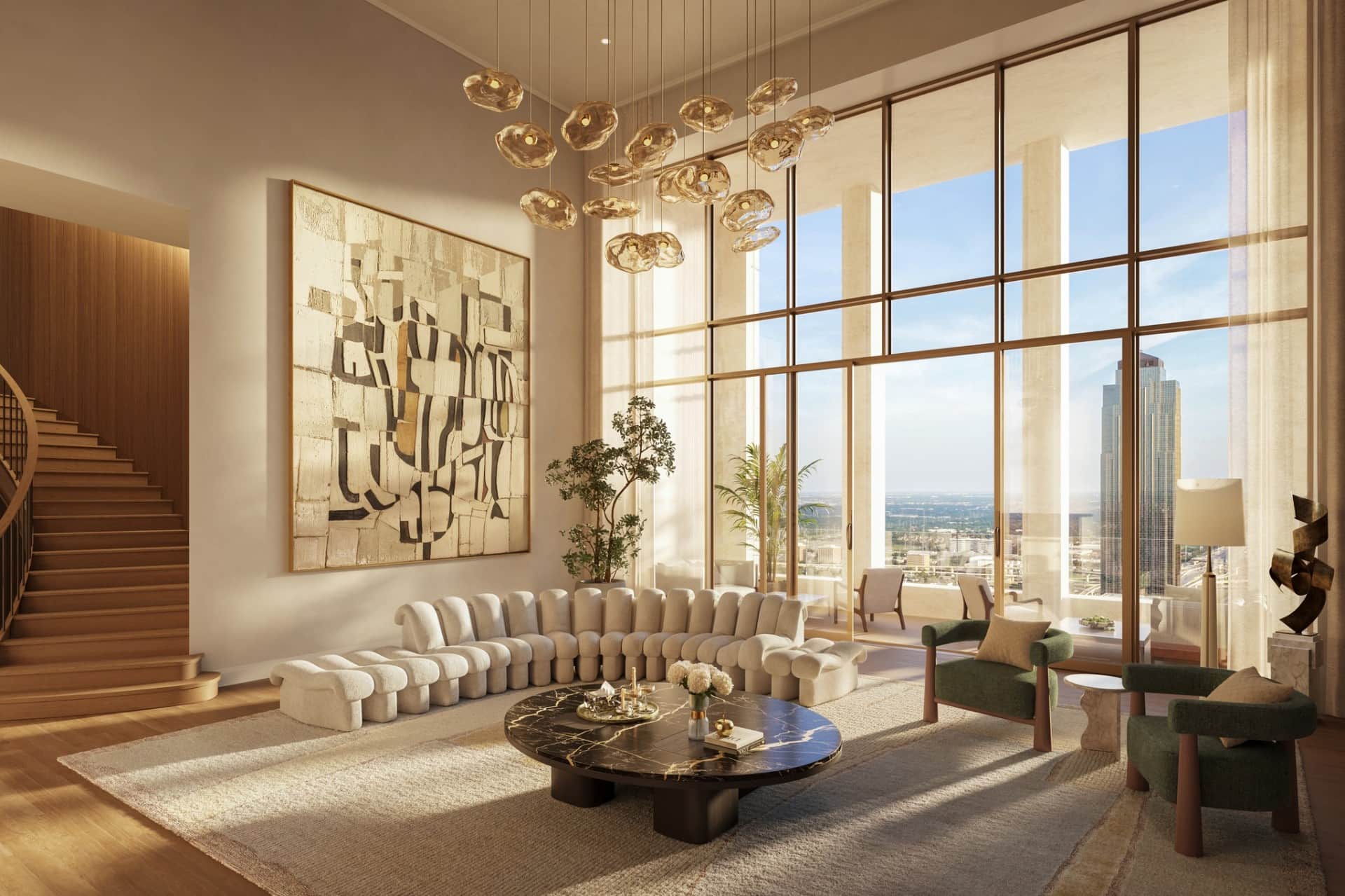
Private Property Showings in Austin: The Discreet Way to Tour Luxury Estates Off Market
Private property showing services in Austin offer high-net-worth buyers and sellers a discreet, appointment-only alternative to traditional real estate tours.
2026-05-20 • 11 min read

Austin Home Prices by ZIP Code (October 2026)
Median sale price, price per square foot, days on market and inventory for 72 Austin-area ZIP codes, trailing 12 months to Sept 30, 2026. Updated quarterly.
2026-10-16 • 22 min read

The Best Time to Sell a House in Austin: 36 Months of Contract Data, and Why Luxury Runs on a Different Calendar
Three years of Unlock MLS data for Austin and the 78746/78703 luxury core show when buyers sign, when sellers flood in, and the one window that beats spring.
2026-10-12 • 20 min read