Lake Austin Waterfront Homes: What Drives Value
What actually drives pricing on Lake Austin waterfront homes, how frontage, topography, privacy, dock rights, and micro-segment demand separate trophy assets from merely expensive ones.
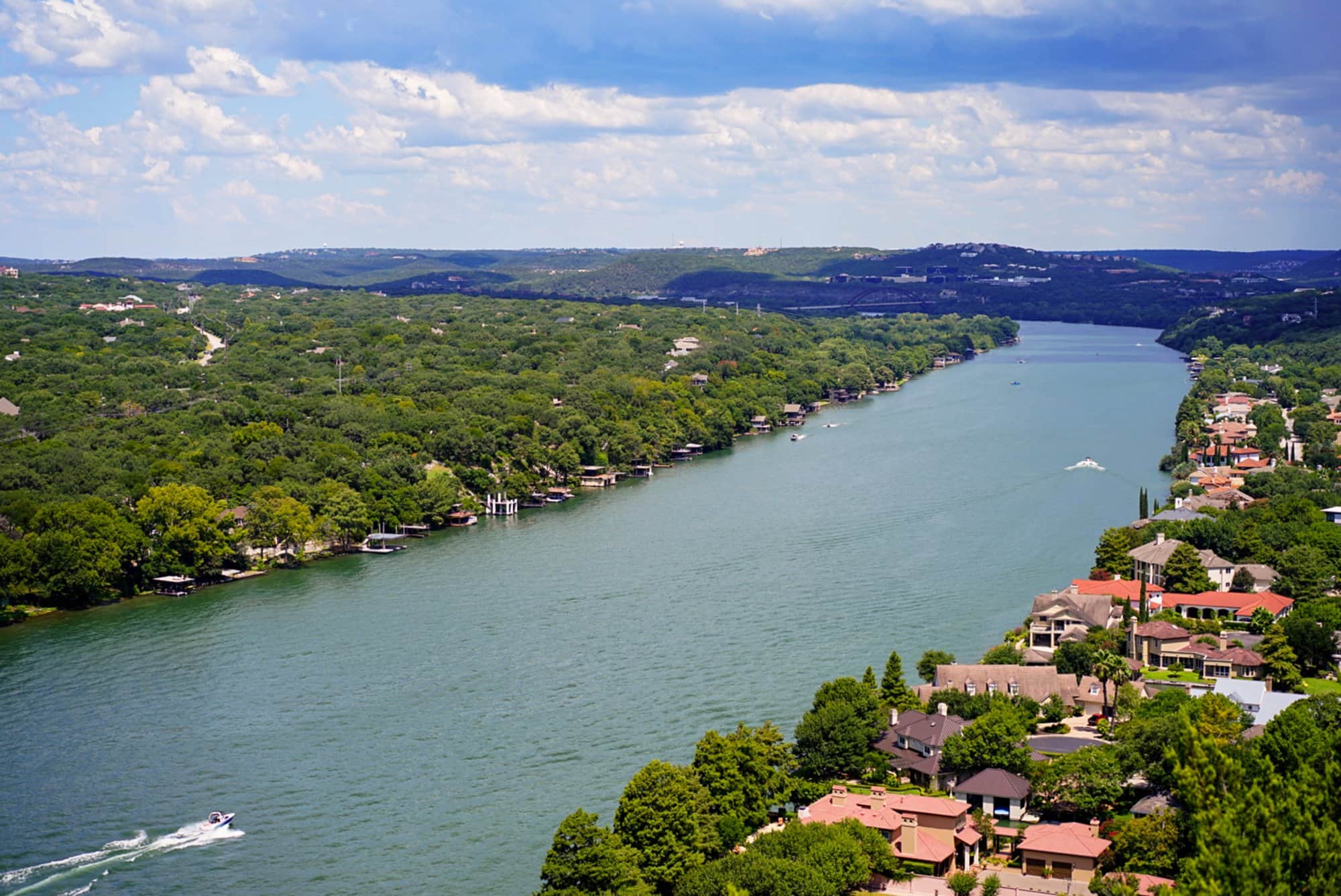
On Lake Austin, two homes can sit minutes apart by boat and still command meaningfully different pricing. The gap usually has less to do with square footage than buyers expect and far more to do with shoreline quality, privacy, topography, and what the property actually allows you to do on the water. That is the real conversation around Lake Austin waterfront homes.
For buyers operating at the top of the market, this is not a category you approach through broad averages. Lake Austin is a narrow, highly nuanced market where small differences create seven-figure swings. The buyers who perform best here tend to look past marketing language and focus on the factors that continue to matter long after the closing.
Why Lake Austin waterfront homes trade differently
Waterfront is not a single asset class. On Lake Austin, it breaks into micro-segments that behave differently depending on location, lot shape, exposure, and usability. A property with clean, level access to the water and a well-positioned dock often trades in a different league than a home with steeper terrain, more road presence, or compromised shoreline.
This is one of the few markets where the land can matter more than the house. Improvements can be redesigned. Shoreline character cannot. If a lot offers wide water views, meaningful separation from neighbors, and strong outdoor usability, buyers will often forgive architectural elements that are not perfectly current. The inverse is also true. A newly built home on an average waterfront lot rarely commands the same long-term enthusiasm as an exceptional site. Our take on new construction in Austin reinforces why site quality outweighs finish-level theatrics.
That is why valuation on Lake Austin tends to be more forensic than formulaic. Comparable sales help, but only when they are stripped down to the details that actually move buyers. Our Austin luxury market trends breakdown shows how segmentation distorts simple averages.
The factors that shape pricing on Lake Austin
Frontage, not just lot size
One of the most misunderstood variables is frontage. Buyers often focus on acreage or total lot dimensions, but the width of a property along the waterline can be just as important. Wider frontage generally creates a more expansive visual experience, better dock placement, and greater separation from neighboring homes. It also tends to improve the sense of ownership from the water itself, which matters in a market where arrival by boat is part of the lifestyle.
A large lot with limited usable frontage may not perform as strongly as a smaller parcel with a broader, cleaner relationship to the shoreline. This is where surface-level listing comparisons can mislead.
Topography and usable land
Not all waterfront living is equally functional. Some homes sit beautifully above the lake but require a long descent to reach the dock. For certain buyers, that is an acceptable trade-off in exchange for elevated views. For others, especially those using the property for entertaining or multigenerational family use, easy access to the water becomes essential.
Level lawns, flat building pads, and direct pathways to the shoreline tend to attract the deepest demand. They are simply harder to find. Steep topography can still work, but it narrows the buyer pool and usually requires stronger architecture or more dramatic views to offset the compromise. Comparable lakefront enclaves like Rob Roy and Steiner Ranch show how dramatically topography reshapes value.
Privacy and orientation
Privacy carries a premium on Lake Austin, and not every waterfront address delivers it equally. Some stretches feel open and exposed, with direct sightlines from neighboring docks, roads, or passing boat traffic. Others offer a more protected experience, whether through lot positioning, mature trees, setback, or the rhythm of the shoreline itself. Our guide to the best Austin enclaves for privacy maps where that sense of seclusion is most achievable.
Orientation also matters. Light quality, sunset exposure, and the feel of the view across the water all influence desirability. A property that captures evening light and frames a broad stretch of water often trades with more intensity than one looking into a narrower channel or directly onto neighboring improvements.
Dock rights and waterfront utility
On this lake, a dock is not a decorative amenity. It is central to how the property lives. Buyers should look carefully at existing dock configuration, condition, permitted use, and the practical ease of getting on and off the water.
This is also where due diligence becomes more strategic. The most attractive home is not always the strongest asset if its waterfront utility is constrained. Covered slips, entertaining decks, lift systems, and the relationship between the dock and the main house all affect value. A poorly placed or functionally limited dock can materially change how often owners use the property. For context on how Lake Austin compares to nearby alternatives, see Lake Austin vs Lake Travis.
Not all sections of the lake appeal to the same buyer
Lake Austin is often discussed as though it were one continuous market. In practice, buyer behavior is much more segmented.
Some buyers prioritize proximity to central Austin and want a lock-and-leave waterfront residence with immediate access to downtown, private schools, and club networks, often gravitating toward Westlake Hills or Tarrytown. Others are willing to trade some convenience for a larger site, more privacy, or a more estate-like setting in Spanish Oaks or Barton Creek. Neither approach is inherently better. It depends on how the property fits the owner's calendar, household needs, and intended use.
This is where local pattern recognition matters. A home that feels underpriced relative to another section of the lake may simply sit in a different demand profile. Likewise, a premium sale is not always evidence of broad appreciation. It may reflect a rare combination of frontage, modern construction, privacy, and dock quality that only appears occasionally. Our overview of the best luxury neighborhoods in Austin frames how those distinctions stack up across the metro.
What sophisticated buyers tend to miss first
The first mistake is overvaluing finish level. In a non-waterfront luxury market, buyers can often justify paying a premium for new construction and designer detailing. On Lake Austin, the lot still tends to dominate. If forced to choose, many experienced buyers will take a superior site with a house they intend to refine over an immaculate house on a less compelling piece of shoreline.
The second mistake is assuming every publicly marketed property represents the full market. Some of the most desirable waterfront opportunities never gain broad exposure. Sellers at this level often prefer discretion, particularly when the property is irreplaceable or the owner profile is high visibility. That makes off-market access a real advantage, not a marketing phrase, a dynamic we cover in why buyers never see the best homes.
The third mistake is treating pricing as linear. Buyers may see one property trade at a certain number per square foot and expect the next one nearby to align. Waterfront pricing rarely behaves that neatly. View corridor, retaining walls, setbacks, water depth, dock entitlement, and even how the home presents from the lake can all create variance that standard metrics miss.
A seller's market, but not a simple one
For owners of Lake Austin waterfront homes, scarcity remains the defining force. There is only so much true waterfront, and premium parcels do not get replicated. That said, the market still distinguishes sharply between exceptional assets and merely expensive ones. Owners considering a discreet exit can review our approach to private sales and the broader case for selling a luxury home in Austin.
The homes that command the strongest response usually offer one clear thing: very little compromise. That could mean a turnkey newer build on a coveted stretch of shoreline, or it could mean an older home on a trophy lot that buyers know they cannot replace. When a property checks most of the critical boxes, competition can be decisive and fast.
But sellers should not mistake tight inventory for automatic leverage. If a home has limited privacy, difficult topography, or a dock situation that raises questions, buyers at this price point will notice. Premium buyers are selective. They will pay for scarcity, but they generally expect the scarcity to be defensible. This is the same selectivity we explore in wealth building through luxury real estate.
Why advisory depth matters more here
Lake Austin rewards precision. It is a market where broad consumer portals and generic listing descriptions tend to flatten the distinctions that matter most. Two homes may both be labeled waterfront luxury, while one is a long-term hold and the other is a lifestyle purchase with more compromises than the photography suggests.
The real work is in interpreting what is beneath the surface, which stretches are seeing stronger private demand, which properties are being bid up because they are truly rare, and which ones appear compelling until you study access, shoreline usability, or resale depth. For clients evaluating this segment seriously, that layer of advisory intelligence often matters more than speed.
That is also why many of the strongest transactions happen quietly. In a market defined by discretion and finite inventory, strategy starts before a property is formally available and continues well past the list price conversation. Firms such as Echelon Property Group operate in that advisory lane because the value is not just opening doors. It is knowing which doors are worth opening, a theme we expand on in our overview of private opportunities and what defines a private listing.
The right Lake Austin property should feel hard to replicate, not just expensive. If a home offers that kind of rarity, strong waterfront utility, privacy, usable land, and a shoreline that will still matter years from now, buyers rarely regret acting with conviction.
Continue Exploring
Three places to go from here

ABOUT THE AUTHOR
Taylor Sherwood
Austin Real Estate Advisor · Echelon Property Group
Taylor Sherwood is a Certified Luxury Home Marketing Specialist (CLHMS) and top-performing Austin real estate advisor. He specializes in luxury residential properties, land development, commercial real estate, and investment property across Austin and the Texas Hill Country. With deep market expertise and a results-driven approach, Taylor helps buyers, sellers, and investors navigate Austin's most competitive real estate segments.
Related Reading

Texas Homestead Exemption 2026: The New $140,000 Rules, What They Actually Save in Austin, and the Cap That Dies in December
The Texas homestead exemption jumped to $140,000 in November 2025 ($200,000 at 65+). Full Austin entity-by-entity math, worked examples at $650K and $2.5M, the two-year refund window, and the investor cap expiring December 31, 2026.
2026-08-20 • 17 min read

Assumable Mortgages in Austin: How Buyers Are Getting 2.75% in a 6.67% World
294 Austin homes have assumable 3% mortgages right now. The 2026 guide to finding them, funding the equity gap, and what sellers should charge for the note.
2026-08-18 • 16 min read
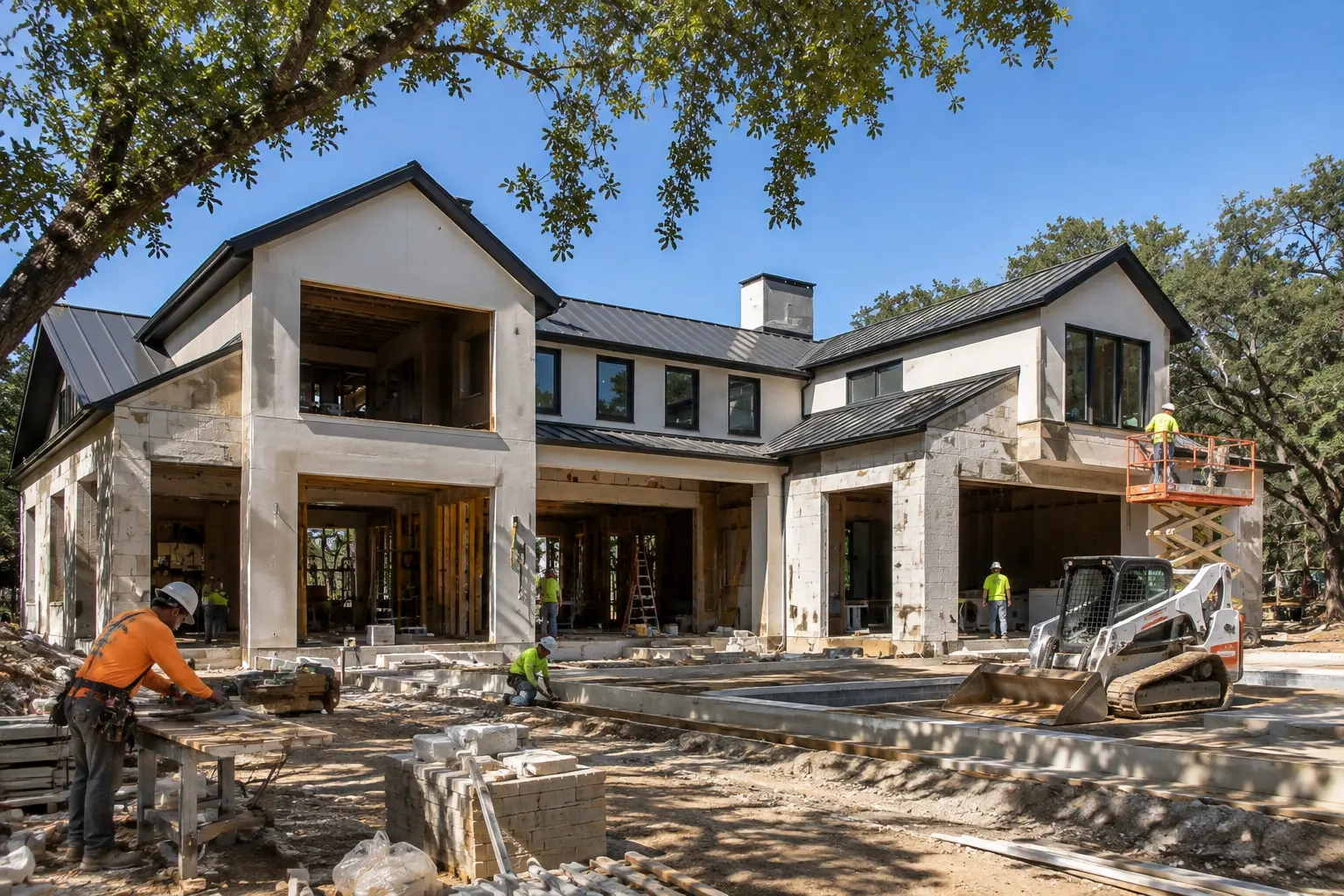
What It Really Costs to Build a Custom Home in Austin in 2026 (And When You Shouldn't)
What it actually costs to build a custom home in Austin in 2026: per-square-foot tiers, the full cost stack, tariffs, permits, and when buying beats building.
2026-08-15 • 16 min read
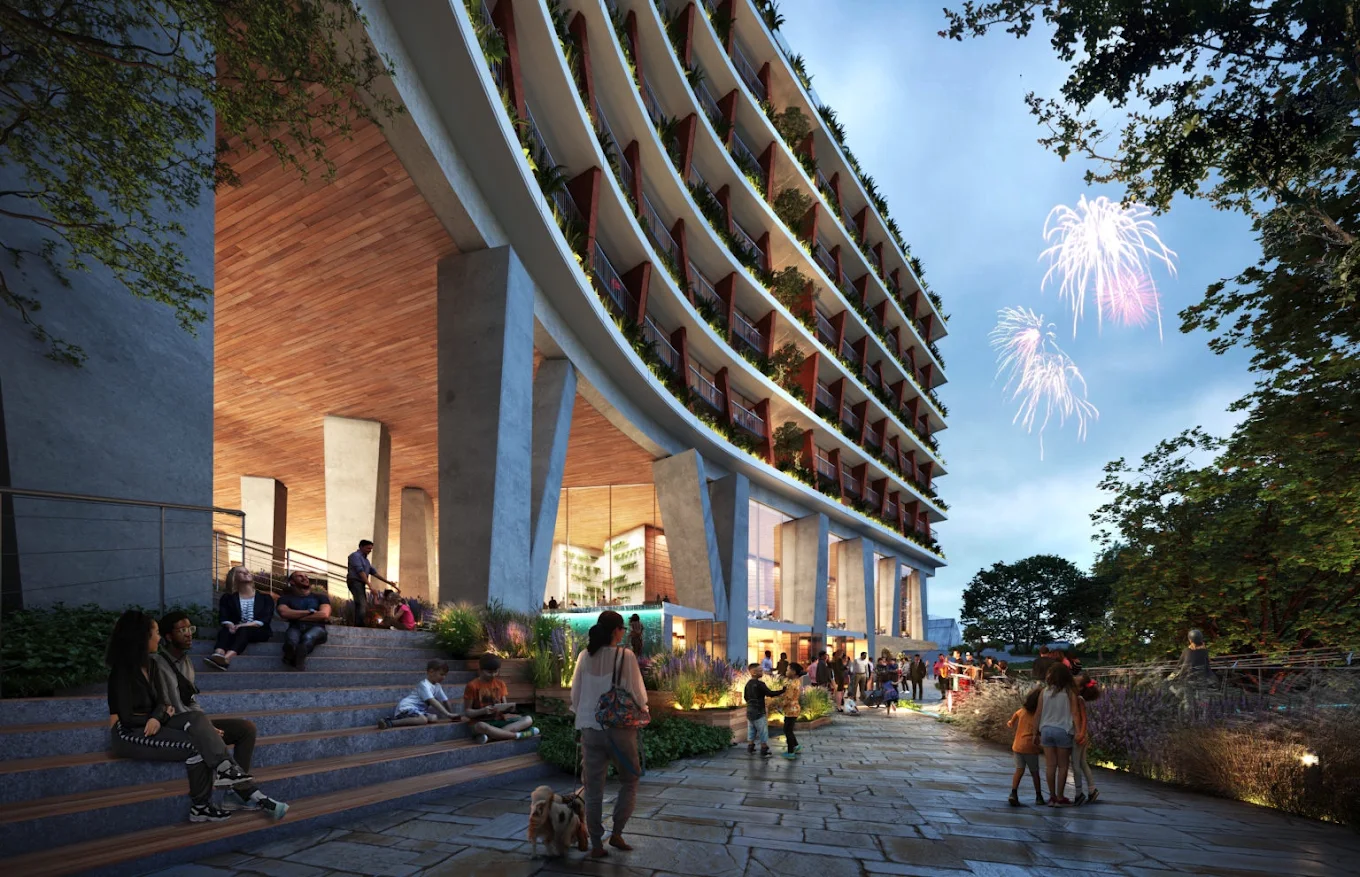
Downtown Austin Condos in 2026: Texas Built Its Tallest Tower and Put Nothing in It for Sale
Texas built its tallest tower and put zero units up for sale. Downtown Austin condo prices, HOA fees by building, worked carry math, and why the resale market just became the only game in town.
2026-08-12 • 20 min read