Austin Property Taxes Explained
A comprehensive guide to understanding property taxes in Austin, Texas. Learn about tax rates, exemptions, protests, and how property taxes affect luxury real estate.

Understanding Property Taxes in Austin Texas
Property taxes are one of the most important financial considerations for homeowners and real estate investors in Austin, Texas. While Texas's absence of a state income tax is a major draw for relocating buyers, the state's reliance on property taxes to fund local services means that property tax rates in Austin are among the higher in the nation. Understanding how property taxes work, what exemptions are available, and how to manage your tax liability is essential for making informed real estate decisions.
How Austin Property Taxes Are Calculated
Property taxes in Austin are calculated by multiplying your property's assessed value by the combined tax rate of all applicable taxing entities. The formula is straightforward:
Property Tax = Assessed Value × Combined Tax Rate
However, the details of each component deserve closer examination.
Assessed Value
The Travis Central Appraisal District (TCAD) determines the assessed value of every property in Travis County. Assessments are conducted annually, and the appraised value is intended to reflect the property's fair market value as of January 1 of each year.
For residential properties, TCAD considers comparable sales, property improvements, lot size, and location when determining appraised value. Luxury properties often present unique appraisal challenges due to limited comparable sales data and distinctive features that are difficult to standardize.
Tax Rate
The combined tax rate in Austin is determined by multiple taxing entities, each setting its own rate to fund specific services:
- Travis County – County services, roads, courts
- City of Austin – City services, police, fire, parks
- Austin ISD or Eanes ISD – Public education
- Travis County Healthcare District – Healthcare services
- Austin Community College – Higher education
The combined rate for properties within Austin city limits and Austin ISD typically ranges from 1.8% to 2.2% of assessed value. Properties in Eanes ISD or outside city limits may have different rates.
Property Tax Exemptions in Austin
Several exemptions can significantly reduce your property tax burden:
Homestead Exemption
The most important exemption for homeowners. Filing a homestead exemption on your primary residence reduces your assessed value for school district taxes and caps annual increases in assessed value to no more than 10% per year. This cap is particularly valuable in rapidly appreciating markets like Austin, where actual market values may increase more than 10% annually.
Over-65 and Disability Exemptions
Additional exemptions are available for homeowners over 65 or with disabilities. These exemptions include additional value reductions and a tax ceiling that freezes school district taxes at the level assessed when the exemption is first claimed.
Veteran Exemptions
Disabled veterans may qualify for exemptions ranging from partial to complete, depending on the level of disability. Surviving spouses of veterans may also qualify for certain exemptions.
Property Tax Rates by Neighborhood
Tax rates vary significantly depending on your location within the Austin metro area:
West lake Hills and Barton Creek (Eanes ISD)
Properties in the Eanes ISD area benefit from a lower school district tax rate compared to Austin ISD. While the overall combined rate is still significant, the Eanes ISD rate is among the more favorable in the Austin metro area for luxury properties.
Rollingwood
As an incorporated city with its own tax rate, Rollingwood properties have a unique tax structure. The city's low municipal tax rate, combined with Eanes ISD, creates a competitive overall rate.
Downtown Austin and Travis Heights (Austin ISD)
Properties within Austin city limits and Austin ISD face the highest combined tax rates in the metro area. However, Austin voters have approved homestead exemptions that provide meaningful relief for primary residence owners.
Dripping Springs and Hill Country
Properties outside Austin city limits, particularly in Hays County, may benefit from lower combined rates. Dripping Springs ISD and other Hill Country districts typically have lower rates than Austin ISD.
How to Protest Your Property Taxes
Texas law provides homeowners with the right to protest their property's assessed value. This process can result in significant tax savings, particularly for luxury properties where appraisal accuracy is crucial.
When to Protest
TCAD mails assessment notices in April or May each year. Property owners have until May 15 (or 30 days after the notice date, whichever is later) to file a protest.
Grounds for Protest
Common grounds include:
- The appraised value exceeds fair market value
- The property is appraised unequally compared to similar properties
- The appraisal district made an error in property records
Protest Process
- 01File a Notice of Protest with TCAD
- 02Gather supporting evidence (comparable sales, independent appraisals, property condition documentation)
- 03Attend an informal hearing with a TCAD appraiser
- 04If unresolved, proceed to a formal hearing before the Appraisal Review Board
Professional Representation
Many luxury homeowners engage property tax consultants or attorneys to handle protests. These professionals typically work on contingency, charging a percentage of the tax savings achieved. For high-value properties, professional representation often produces better results than self-representation.
Property Taxes and Luxury Real Estate Investment
Impact on Cash Flow
For investment properties, property taxes represent a significant operating expense. Luxury rental properties in Austin face annual tax bills that can reach $30,000 to $100,000 or more, directly affecting net operating income and cash-on-cash returns.
Tax Considerations for Out-of-State Buyers
Buyers relocating from states with income taxes often find that despite higher property taxes, their overall tax burden in Texas is lower. The key is to model your complete tax situation, including income tax savings, property tax costs, and available exemptions.
1031 Exchange Considerations
Real estate investors can defer capital gains taxes using 1031 exchanges when selling investment properties. Texas's favorable tax environment makes Austin a popular destination for 1031 exchange buyers seeking to redeploy capital from higher-tax states.
Additional Resources
For buyers evaluating tax implications alongside neighborhood selection, our guide to the top investment neighborhoods in Austin pairs appreciation data with tax considerations. The Austin luxury market forecast provides additional context on pricing trends and where values are headed. Browse Austin communities to explore neighborhoods by lifestyle.
Frequently Asked Questions
What is the property tax rate in Austin Texas?
The combined property tax rate in Austin varies by location but typically ranges from 1.8% to 2.2% of assessed value. The rate depends on which city, county, school district, and special districts apply to your property.
How can I lower my property taxes in Austin?
File a homestead exemption on your primary residence, protest your assessed value annually, and explore additional exemptions for which you may qualify (over-65, disability, veteran).
Do property taxes affect Austin home values?
Property taxes are a factor in affordability calculations, but Austin's strong appreciation and no-income-tax advantage have historically offset property tax considerations for most luxury buyers.
Is it worth protesting property taxes in Austin?
Yes. Successful protests can reduce assessed values by 5-15% or more, resulting in meaningful annual savings. For luxury properties valued above $2 million, even modest percentage reductions translate to thousands of dollars in savings.
When it comes time to sell, the other half of the tax picture is the capital gains tax when selling a house in Texas.
Continue Exploring
Three places to go from here

ABOUT THE AUTHOR
Taylor Sherwood
Austin Real Estate Advisor · Echelon Property Group
Taylor Sherwood is a Certified Luxury Home Marketing Specialist (CLHMS) and top-performing Austin real estate advisor. He specializes in luxury residential properties, land development, commercial real estate, and investment property across Austin and the Texas Hill Country. With deep market expertise and a results-driven approach, Taylor helps buyers, sellers, and investors navigate Austin's most competitive real estate segments.
Related Reading

Texas Homestead Exemption 2026: The New $140,000 Rules, What They Actually Save in Austin, and the Cap That Dies in December
The Texas homestead exemption jumped to $140,000 in November 2025 ($200,000 at 65+). Full Austin entity-by-entity math, worked examples at $650K and $2.5M, the two-year refund window, and the investor cap expiring December 31, 2026.
2026-08-20 • 17 min read
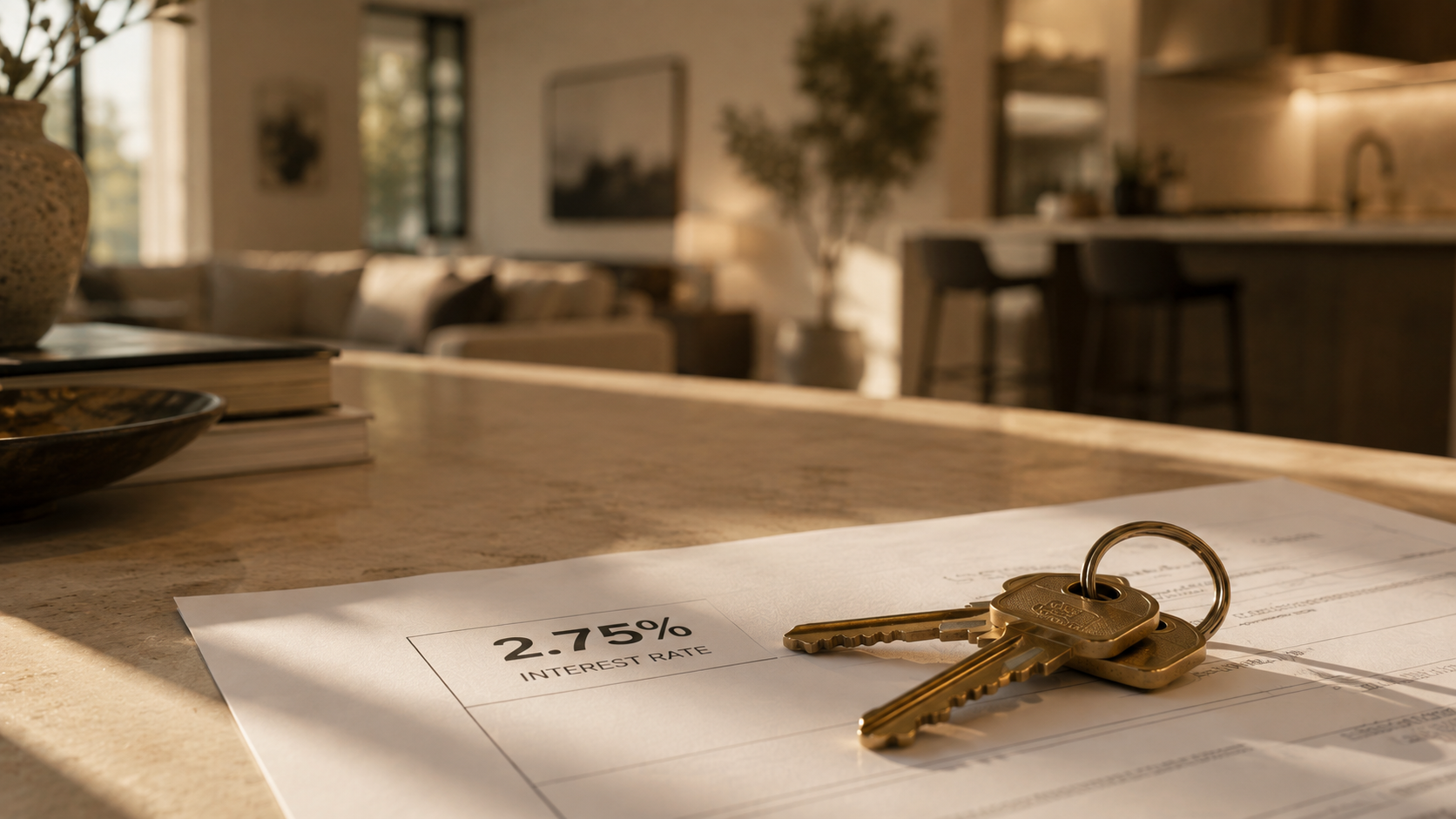
Assumable Mortgages in Austin: How Buyers Are Getting 2.75% in a 6.67% World
294 Austin homes have assumable 3% mortgages right now. The 2026 guide to finding them, funding the equity gap, and what sellers should charge for the note.
2026-08-18 • 16 min read
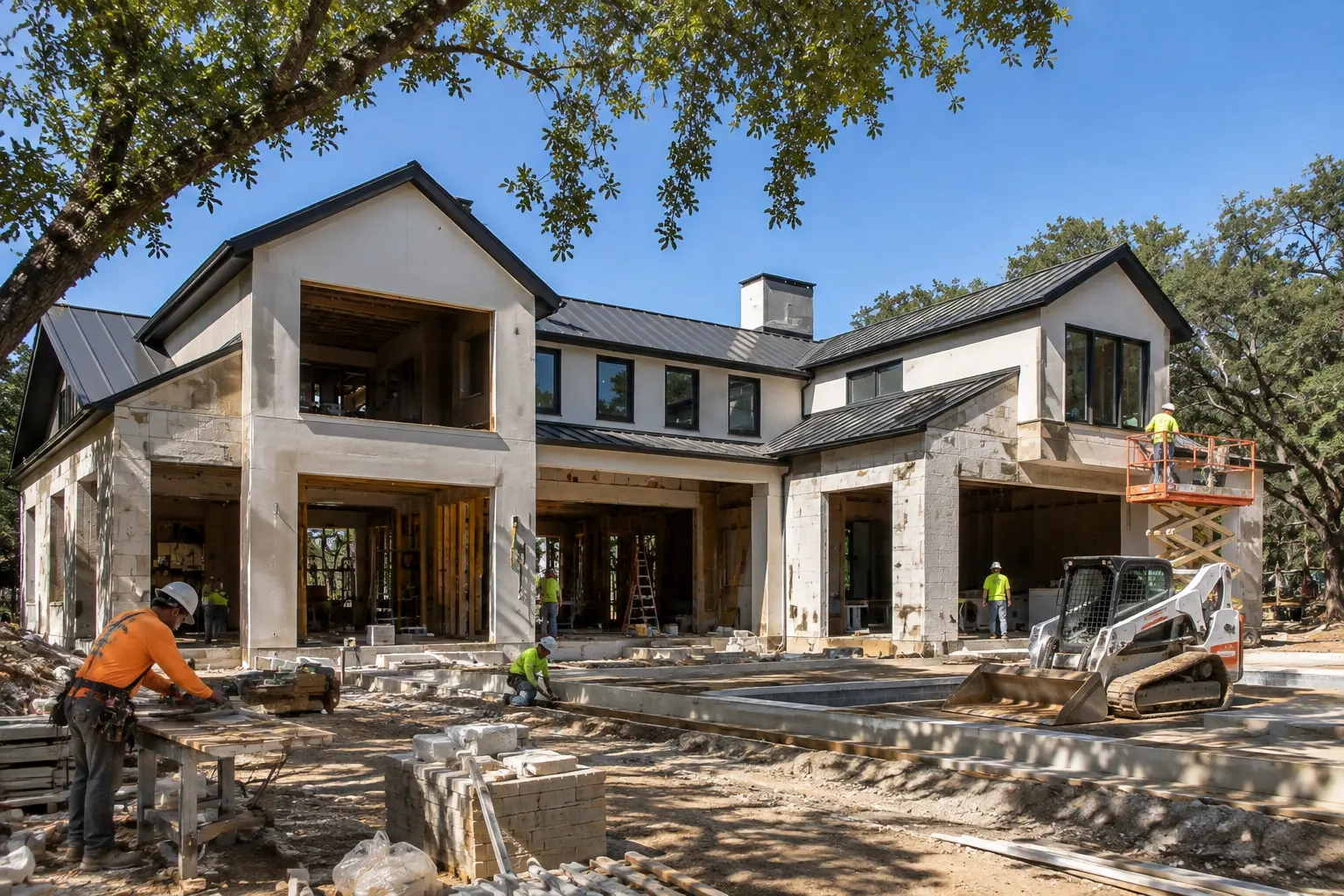
What It Really Costs to Build a Custom Home in Austin in 2026 (And When You Shouldn't)
What it actually costs to build a custom home in Austin in 2026: per-square-foot tiers, the full cost stack, tariffs, permits, and when buying beats building.
2026-08-15 • 16 min read

Downtown Austin Condos in 2026: Texas Built Its Tallest Tower and Put Nothing in It for Sale
Texas built its tallest tower and put zero units up for sale. Downtown Austin condo prices, HOA fees by building, worked carry math, and why the resale market just became the only game in town.
2026-08-12 • 20 min read