8 of the Best Austin Suburbs to Buy Real Estate in 2026
This strategic guide profiles the best Austin suburbs for 2026, matching each community to specific buyer types, from families prioritizing elite school districts to investors targeting high-growth corridors with strong land appreciation potential. Whether you're relocating, purchasing investment properties, or seeking more land without losing urban access, these suburb profiles go beyond rankings to help you identify which Austin market aligns with your goals.

The right Austin suburb depends on your timeline, your priorities, and the market conditions you're willing to navigate. Eight strategic profiles for 2026 buyers and investors.
Austin's growth has pushed serious buyers well beyond city limits. Whether you're relocating, investing, or looking for more land without sacrificing access to urban infrastructure, the suburbs surrounding Austin offer compelling options across a range of price points and lifestyle priorities. The challenge is knowing which suburbs actually deliver on their promise versus which ones are riding short-term hype.
This guide cuts through the noise. We've organized the best Austin suburbs not as a simple ranked list, but as strategic profiles, each one matched to a specific buyer type, investment thesis, or lifestyle priority. Some offer elite school districts and master-planned amenities. Others are positioned along high-growth corridors where land values and development activity suggest long-term upside. A few are quieter, more established communities where inventory is tight and demand remains steady.
Understanding why a suburb works for your situation matters more than knowing which one tops a generic list. The right suburb depends on your timeline, your priorities, and what kind of market conditions you're willing to navigate. What follows is an advisor-level breakdown of where Austin-area buyers are finding the most value, stability, and opportunity in 2026. For a continuously updated read on conditions across the metro, our Austin market intelligence dashboard tracks these forces in real time.
1. Westlake Hills and Rollingwood
The Challenge It Solves
Buyers who want proximity to downtown Austin without the density, noise, or volatility of urban neighborhoods often struggle to find a market that delivers both. Westlake Hills and Rollingwood solve that problem. You're minutes from the core of the city, but the character is entirely different: large lots, quiet streets, and a residential culture built around long-term ownership rather than turnover.
The Strategy Explained
The foundation of this submarket is Eanes ISD, which consistently earns top accountability ratings from the Texas Education Agency and draws families who treat school quality as a non-negotiable. That single factor sustains demand even when broader market conditions soften.
Inventory here is persistently tight. Many transactions happen off-market, facilitated through advisor relationships rather than MLS listings. Custom builds and significant lot sizes are the norm, and pricing reflects it. This is among the higher-priced suburban markets in the entire Austin metro, but it has historically held value better than most. Our Tarrytown vs. Westlake breakdown goes deeper on how this corridor compares to its closest urban analogue.
For high-net-worth buyers, Westlake and Rollingwood represent a combination of lifestyle, school quality, and capital preservation that few other Austin submarkets can match. See our Austin luxury market trends coverage for current high-end dynamics.
Implementation Steps
- 01Prioritize working with an advisor who has direct access to off-market inventory, since a meaningful share of transactions in this corridor never reach public listing platforms.
- 01Evaluate lot size and build quality carefully. The spread between entry-level and top-tier properties here is wide, and condition matters significantly to long-term value retention.
- 01Confirm your timeline. This is not a market where you negotiate aggressively and expect fast movement. Patience and preparation tend to produce better outcomes than urgency.
Pro Tips
Don't assume a higher list price means a better property in this submarket. Renovation needs, lot orientation, and proximity to major roads all affect real value. An experienced local advisor can help you distinguish between properties that carry the Westlake premium legitimately and those that are simply priced to the zip code.
2. Lakeway and Bee Cave
The Challenge It Solves
Many buyers want lake access and Hill Country terrain without committing to a vacation-only property or accepting a long, difficult commute. The Lake Travis corridor, anchored by Lakeway and Bee Cave, has matured into a full-time residential market that addresses exactly that tension. It's no longer a weekend retreat destination. It's a functioning suburb with real infrastructure.
The Strategy Explained
Lake Travis ISD has developed a strong academic reputation with growing enrollment, making this corridor increasingly competitive for families who might otherwise default to Eanes or Leander ISD. The school district alone has shifted this area from a lifestyle-only purchase into a legitimate family relocation destination.
The property mix ranges from waterfront-adjacent homes with Hill Country views to resort-style master-planned communities offering amenities that appeal to both retirees and active families. Bee Cave, in particular, has seen significant retail and commercial development, reducing the friction of daily life that once made western Austin suburbs feel inconvenient. For more on the broader waterfront landscape, see our Lake Austin vs. Lake Travis comparison.
For investors, properties in this corridor tend to attract long-term tenants who want the lifestyle without the ownership commitment, and short-term rental demand from the lake recreation market adds another layer of flexibility.
Implementation Steps
- 01Define whether your priority is lake access, school district, or community amenities. Each of these factors points to different neighborhoods within the broader corridor.
- 01Assess HOA structures carefully. Many communities here carry fees that reflect the amenity packages offered. Understanding the full cost of ownership matters before comparing properties at face value.
- 01Consider elevation and terrain. Hill Country topography affects everything from buildability to flood risk to view premiums. A site visit with someone who knows the land is worth the time.
Pro Tips
The Lake Travis corridor rewards buyers who understand the difference between waterfront, water-adjacent, and water-view properties. Each carries a different price tier and a different set of considerations. Be precise about what you're actually buying before making an offer.
3. Cedar Park and Leander
The Challenge It Solves
Relocating families and investors looking for a high-growth corridor backed by real infrastructure often find that northern Austin delivers more substance than the hype suggests. Cedar Park and Leander sit at the intersection of Leander ISD, MetroRail access, and sustained new construction activity, a combination that makes this corridor one of the more defensible long-term positions in the metro.
The Strategy Explained
Leander ISD is one of the largest and fastest-growing school districts in Texas, a fact that continues to attract families from across the country relocating to Austin for employment at Apple's North Austin campus, Dell, and the broader tech corridor. The school district's size means diverse program offerings, which appeals to a wide range of family priorities.
Capital Metro's MetroRail Red Line connects Cedar Park and Leander to downtown Austin, a commuter advantage that most Austin suburbs cannot offer. The 183A toll road has further improved connectivity, reducing the friction of living further north.
Master-planned communities throughout this corridor offer new construction at price points that remain more accessible than Travis County alternatives. For investors, the combination of employer proximity, school demand, and infrastructure investment creates conditions that tend to support rental demand over time. See our Austin real estate investment overview for how this fits a broader portfolio.
Implementation Steps
- 01Identify whether you're targeting established neighborhoods or new construction communities. Each has different risk and return profiles, and the inventory mix in this corridor is broad.
- 01Evaluate commute options concretely. MetroRail access is a genuine differentiator, but not all properties in Cedar Park and Leander are equally convenient to the station network.
- 01Research builder reputation if you're considering new construction. The volume of development in this corridor means quality varies, and due diligence on the builder matters as much as the floor plan.
Pro Tips
This corridor is still absorbing significant new inventory. For buyers, that means negotiating leverage exists in some segments. For investors, it means understanding absorption rates in specific neighborhoods before assuming rental demand is uniform across the submarket. Our Austin inventory levels explained breakdown goes deeper on how to read those signals.
4. Round Rock
The Challenge It Solves
Investors and owner-occupants alike often struggle to find a suburban market that combines school quality, employer diversity, broad price range accessibility, and a long track record of stability. Round Rock is the rare Austin suburb that checks all of those boxes without requiring a trade-off on any of them.
The Strategy Explained
Dell Technologies has been headquartered in Round Rock for decades, providing an employment anchor that has shaped the city's economic identity and sustained demand for housing across multiple market cycles. That kind of long-standing employer presence creates a stability that newer, single-employer markets cannot replicate.
Round Rock ISD carries a well-established reputation for academic programs and has been a consistent draw for families relocating to the Austin metro. The district's track record reduces the uncertainty that buyers face when evaluating newer or less-proven school systems.
The price range in Round Rock is genuinely broad. Entry-level investors can find properties that pencil as rentals. Move-up buyers can find established neighborhoods with larger homes and mature landscaping. That breadth of inventory makes the market more liquid than submarkets with a narrower price band. Investors evaluating tax strategy should also see our 1031 exchange guide and the Texas homestead exemption playbook.
Implementation Steps
- 01Define your use case before evaluating properties. Round Rock's inventory diversity means the right neighborhood for a long-term rental investor looks very different from the right neighborhood for a family buying their primary residence.
- 01Assess proximity to major employers and transportation corridors. Not all Round Rock neighborhoods are equally positioned relative to the employment centers that drive demand.
- 01Review rental market conditions if investing. Round Rock has historically shown consistent rental demand, but submarkets within the city vary in tenant profile and vacancy patterns.
Pro Tips
Round Rock tends to be overlooked by buyers chasing newer, trendier markets. That's often an advantage. Less speculative activity means more rational pricing and more predictable fundamentals. For investors with a longer time horizon, that consistency is a feature, not a limitation.
5. Dripping Springs
The Challenge It Solves
Buyers who want acreage, privacy, and a genuine Hill Country character often find that most Austin suburbs offer neither. Dripping Springs is the exception. It sits far enough west to deliver the terrain and space that Hill Country buyers are looking for, while remaining within a reasonable drive of Austin's employment and amenity base.
The Strategy Explained
Dripping Springs ISD is a smaller district with a strong community identity and solid academic performance. For families moving from denser suburban environments, the district's scale can feel like an advantage. Schools here tend to have a closer-knit character that some families actively prefer over the larger, more institutional feel of rapidly growing districts.
The land opportunity in and around Dripping Springs is a distinct draw. Acreage estates, rural residential parcels, and properties with ag exemptions are all accessible in this corridor in ways they simply aren't in the eastern or northern suburbs. For buyers interested in estate-scale properties or ranch-adjacent land, this is one of the few submarkets in the Austin area where that inventory still exists at a range of price points. Our wildlife and ag exemption explainer covers how to qualify acreage for the tax treatment.
The area has also developed a notable identity around wineries, distilleries, and outdoor recreation, which supports short-term rental demand and adds to the lifestyle appeal for buyers who want more than a commuter suburb. See our broader land and ranch coverage for context.
Implementation Steps
- 01Clarify your land requirements before searching. Lot size, water source (well versus municipal), and septic versus sewer infrastructure all vary significantly in this corridor and affect both use and value.
- 01Investigate ag exemption eligibility if you're considering larger parcels. Maintaining an agricultural exemption can meaningfully affect property tax obligations on qualifying land.
- 01Evaluate road access and commute honestly. Dripping Springs sits west of the city, and depending on your employment location, the daily drive can be a real constraint. Know your commute before you commit.
Pro Tips
Land in the Dripping Springs corridor has attracted increasing interest as available acreage closer to Austin has become scarce. Buyers who understand land valuation and rural property considerations will navigate this market more effectively than those applying urban residential frameworks to rural purchases.
6. Kyle and Buda
The Challenge It Solves
The southern I-35 corridor has historically been positioned as the affordability play in the Austin metro. That framing undersells what Kyle and Buda have actually become. These cities have developed real employment infrastructure, growing retail and service bases, and a rental market that reflects genuine demand rather than overflow from other submarkets.
The Strategy Explained
Tesla's Gigafactory Texas, located in eastern Travis County near the Pflugerville and Manor border, has had a ripple effect on employment demand throughout the broader southern and eastern corridor. For Kyle and Buda, the more direct employment driver is the continued expansion of logistics, manufacturing, and distribution facilities along the I-35 corridor itself.
New construction activity in Kyle and Buda has been substantial, offering investors and owner-occupants access to modern housing stock at price points that remain more accessible than northern Travis County alternatives. The rental market in this corridor has absorbed significant demand from workers who need proximity to I-35 employment centers but cannot afford or choose not to buy. Investors comparing this entry point to alternatives should also see our Austin commercial and investment overview.
For investors evaluating the southern corridor, the combination of employment growth, infrastructure investment, and continued population inflow creates conditions worth taking seriously. This is no longer simply an entry-level market. It's a developing submarket with its own demand drivers.
Implementation Steps
- 01Research specific neighborhoods rather than treating Kyle and Buda as a single market. Development patterns vary considerably, and some areas are further along in infrastructure maturity than others.
- 01Evaluate new construction builder incentives carefully. In a high-inventory new construction environment, builders often offer rate buydowns or closing cost contributions that affect the true cost of acquisition. Our Austin mortgage rate impact analysis covers how those incentives interact with broader financing dynamics.
- 01Analyze rental comparables with current data. The rental market in this corridor has evolved quickly, and assumptions based on conditions from several years ago may not reflect current dynamics.
Pro Tips
The I-35 expansion project affecting this corridor is a long-term infrastructure investment that will improve connectivity between Kyle, Buda, and Austin proper. Buyers who understand how infrastructure improvements affect property values over time may find that the current window represents a reasonable entry point before those improvements fully materialize.
7. Pflugerville and Hutto
The Challenge It Solves
Eastern Williamson County has been absorbing demand overflow from the core Austin market for years, but the narrative around Pflugerville and Hutto is changing. Samsung's major semiconductor facility in nearby Taylor has shifted the employment story for this entire eastern corridor, and buyers who understood that early have been positioning accordingly.
The Strategy Explained
Samsung's Austin Semiconductor facility in Taylor represents a significant long-term employment anchor for eastern Williamson County. The supply chain, contractor, and service employment that follows a facility of that scale tends to create sustained housing demand in surrounding communities. Hutto, positioned between Taylor and the core Austin metro, sits directly in that demand path.
Pflugerville, meanwhile, benefits from proximity to Apple's North Austin campus, Tesla's Gigafactory, and the broader eastern Travis County employment base. The city has developed a more complete retail and service infrastructure than it had a decade ago, making it a more self-sufficient community rather than purely a bedroom suburb. Our data center development in Texas coverage adds context on what's coming to the broader eastern corridor.
Price points in this corridor remain among the more accessible in the Austin metro, which creates an entry opportunity for investors who want exposure to the eastern corridor's growth trajectory without the capital requirements of western or northern submarkets.
Implementation Steps
- 01Track infrastructure investment in the eastern corridor actively. Road improvements, utility expansions, and commercial development announcements are leading indicators of where residential demand is heading.
- 01Evaluate proximity to the Samsung Taylor facility specifically if targeting Hutto. Employment-driven demand tends to concentrate in specific geographic bands, and understanding the commute patterns of the workforce matters.
- 01Consider the longer investment horizon. Eastern corridor appreciation has historically lagged the western and northern suburbs, but the employment anchors now in place suggest a different trajectory going forward. This is a market for patient capital.
Pro Tips
Pflugerville and Hutto are often overlooked by buyers focused on established suburban markets. That creates opportunity for investors willing to do the research. The fundamentals in the eastern corridor are stronger than the market's current reputation reflects, and the gap between perception and reality tends to close over time.
8. Georgetown
The Challenge It Solves
Georgetown is frequently described as an Austin overflow market, which misses what makes it genuinely interesting. It has its own identity, its own economic anchors, and land development opportunities north of the city center that attract a different buyer profile than the typical suburban relocator. Understanding Georgetown on its own terms reveals more opportunity than treating it as a secondary choice.
The Strategy Explained
Georgetown's historic downtown square is one of the most intact Victorian-era commercial districts in Texas, and it gives the city a character that most master-planned suburbs cannot manufacture. That authenticity matters to a specific buyer profile, and it creates a community identity that supports long-term residential demand independent of Austin's growth trajectory.
Sun City Texas, the Del Webb active adult community in Georgetown, is one of the largest communities of its kind in the country. It generates sustained demand for housing in the area from retirees relocating from across the United States, creating a buyer pool that operates somewhat independently of the typical Austin suburban market dynamics.
North of Georgetown, land development opportunities in fast-growing Williamson County attract developers, investors, and buyers interested in larger parcels before infrastructure and entitlement costs increase. For buyers with a land-oriented thesis, Georgetown's northern fringe represents one of the more interesting positions in the current Austin metro. Our navigating commercial land development in Austin guide covers the entitlement and due-diligence work that determines outcomes here.
Implementation Steps
- 01Identify which Georgetown buyer profile matches your situation. The historic district, Sun City, established residential neighborhoods, and northern land parcels each represent distinct submarkets with different dynamics.
- 01Research Williamson County's development pipeline if land is your focus. Understanding what's entitled, what's under development, and what remains raw land helps you evaluate timing and risk more accurately.
- 01Assess the commute to Austin employment centers if Georgetown is your primary residence. The distance is manageable for many buyers, but it's a real variable that affects daily life and resale appeal to future buyers.
Pro Tips
Georgetown's combination of active adult demand, historic character, and northern land opportunity creates a more diversified market than most Austin suburbs. That diversity tends to provide some insulation during market corrections, since different buyer segments respond differently to changing conditions. It's a market worth understanding in detail before dismissing it as simply the far end of the metro.
Putting It All Together
Choosing the right Austin suburb comes down to aligning your priorities with what each market actually delivers. Westlake and Rollingwood offer prestige and stability at a premium, with off-market access being the critical differentiator. Lakeway and Bee Cave give you lake access and Hill Country terrain with real residential infrastructure. Cedar Park, Leander, and Georgetown serve families prioritizing schools and long-term growth potential along two distinct corridors.
Round Rock remains one of the most consistent performers for investors seeking proven fundamentals and broad price range flexibility. Dripping Springs suits buyers who want land, Hill Country character, and a quieter pace that most Austin suburbs cannot replicate. Kyle, Buda, Pflugerville, and Hutto offer the strongest entry points for investors watching the southern and eastern corridors develop as employment anchors mature.
No suburb is universally the best. The right one depends on your timeline, your use case, and your risk tolerance. A relocating family with school-age children evaluates these markets differently than a long-term investor building a rental portfolio, and both evaluate them differently than a buyer looking for acreage with ag exemption potential.
Frequently Asked Questions
What is the best Austin suburb for families with school-age children?
Eanes ISD (Westlake Hills, Rollingwood), Lake Travis ISD (Lakeway, Bee Cave), Leander ISD (Cedar Park, Leander), and Round Rock ISD consistently rank as the strongest school districts in the Austin metro. Westlake delivers the highest academic ratings paired with proximity to downtown Austin, while Cedar Park and Leander offer larger districts with broader program diversity at more accessible price points.
Which Austin suburbs are best for real estate investors in 2026?
Round Rock offers the most stability and broadest price range. Kyle, Buda, Pflugerville, and Hutto offer better entry points along high-growth corridors driven by Tesla, Samsung, and I-35 expansion. Cedar Park and Leander provide a middle ground with proven school demand and continued new construction activity.
Where can I buy acreage near Austin?
Dripping Springs and the northern fringe of Georgetown remain the most accessible submarkets for acreage estates and rural residential parcels with potential ag exemption eligibility. Both sit within a reasonable drive of Austin but deliver the lot sizes and Hill Country character that most Austin suburbs cannot offer.
Which Austin suburb has the best commute to downtown?
Westlake Hills and Rollingwood are closest to the urban core. Cedar Park and Leander offer MetroRail Red Line access, which is the most direct rail commute option among Austin suburbs. Pflugerville is well-positioned for the eastern Travis County employment base including Tesla's Gigafactory.
Are Austin suburbs still a good investment in 2026?
Yes, but suburb selection matters more than it did during the 2020 to 2022 cycle. Markets with established employer anchors, strong school districts, and infrastructure investment continue to support demand. Speculative submarkets without those fundamentals carry more risk. Our Austin market intelligence dashboard tracks conditions in real time.
If you're evaluating multiple submarkets or considering properties that aren't publicly listed, working with an advisor who understands Austin's full geographic range matters more than most buyers initially expect. Echelon Property Group works across residential, land, and investment categories throughout the Austin metro, with the local knowledge to help you match your priorities to the right submarket. Learn more about our services and reach out to talk through where your priorities fit best.
Continue Exploring
Three places to go from here

ABOUT THE AUTHOR
Taylor Sherwood
Austin Real Estate Advisor · Echelon Property Group
Taylor Sherwood is a Certified Luxury Home Marketing Specialist (CLHMS) and top-performing Austin real estate advisor. He specializes in luxury residential properties, land development, commercial real estate, and investment property across Austin and the Texas Hill Country. With deep market expertise and a results-driven approach, Taylor helps buyers, sellers, and investors navigate Austin's most competitive real estate segments.
Related Reading

Austin Hiking Trails, Greenbelts and Parks: The 2026 Guide (and What a Greenbelt Lot Is Really Worth)
Every Austin trail, greenbelt, park and swimming hole in one 2026 guide: miles, access points, fees, the drought, the parks bond and greenbelt home values.
2026-09-30 • 48 min read
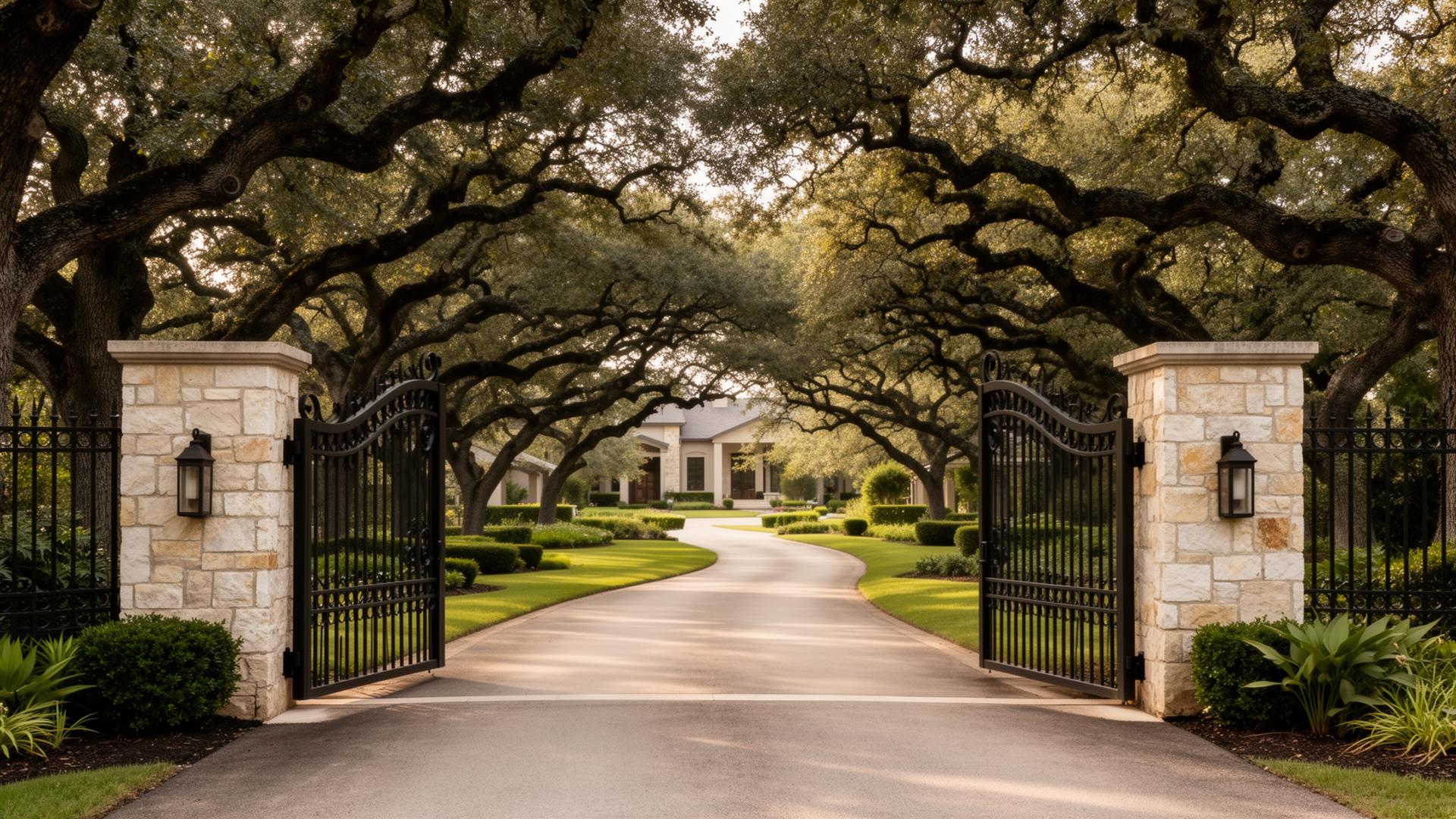
Gated Communities in Austin: The Complete 2026 Guide
An advisor-level guide to Austin's gated communities: BARTON CREEK, Spanish Oaks, Rob Roy, Lake Travis waterfront, and Hill Country acreage, plus security tiers, HOA costs, design review, current market conditions, and how gated properties trade privately.
2026-07-11 • 15 min read

7 Best Austin Enclaves for Privacy
The seven Austin enclaves where privacy is built into the asset, Spanish Oaks, Barton Creek estate pockets, West Lake Hills hillside estates, Rob Roy, Colorado River waterfront pockets, Tarrytown's hidden interior streets, and Pemberton Heights, and how sophisticated buyers evaluate true discretion at the micro-market level.
2026-04-27 • 9 min read
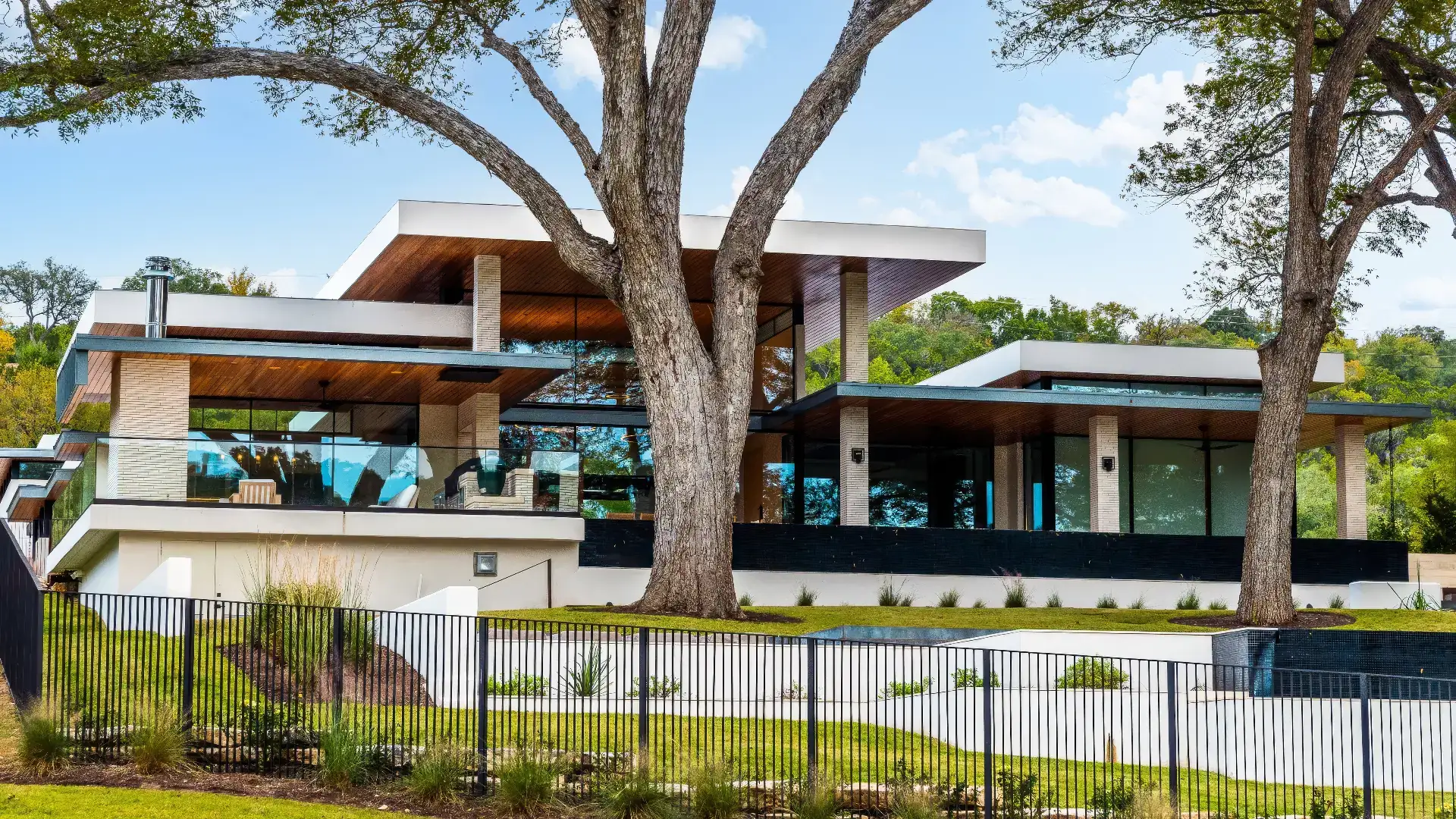
Best Austin Neighborhoods for Luxury Homes
A precise look at the best Austin neighborhoods for luxury homes, from West lake Hills and Tarrytown to Barton Creek, Pemberton Heights, Rollingwood, Lake Austin, Spanish Oaks, Zilker, and Barton Hills, and how serious buyers narrow the field.
April 22, 2026 • 9 min read