Austin Luxury Market Trends: What's Actually Driving the High-End Market Right Now
Austin luxury market trends have shifted from pandemic-era frenzy to a more sophisticated, stratified environment where pricing strategy and neighborhood expertise matter more than ever. Relocating professionals and strong economic fundamentals continue driving demand, but sellers anchored to 2021 comps and buyers moving too slowly on well-priced properties in areas like Tarrytown and West Lake Hills are finding today's high-end market far less forgiving.
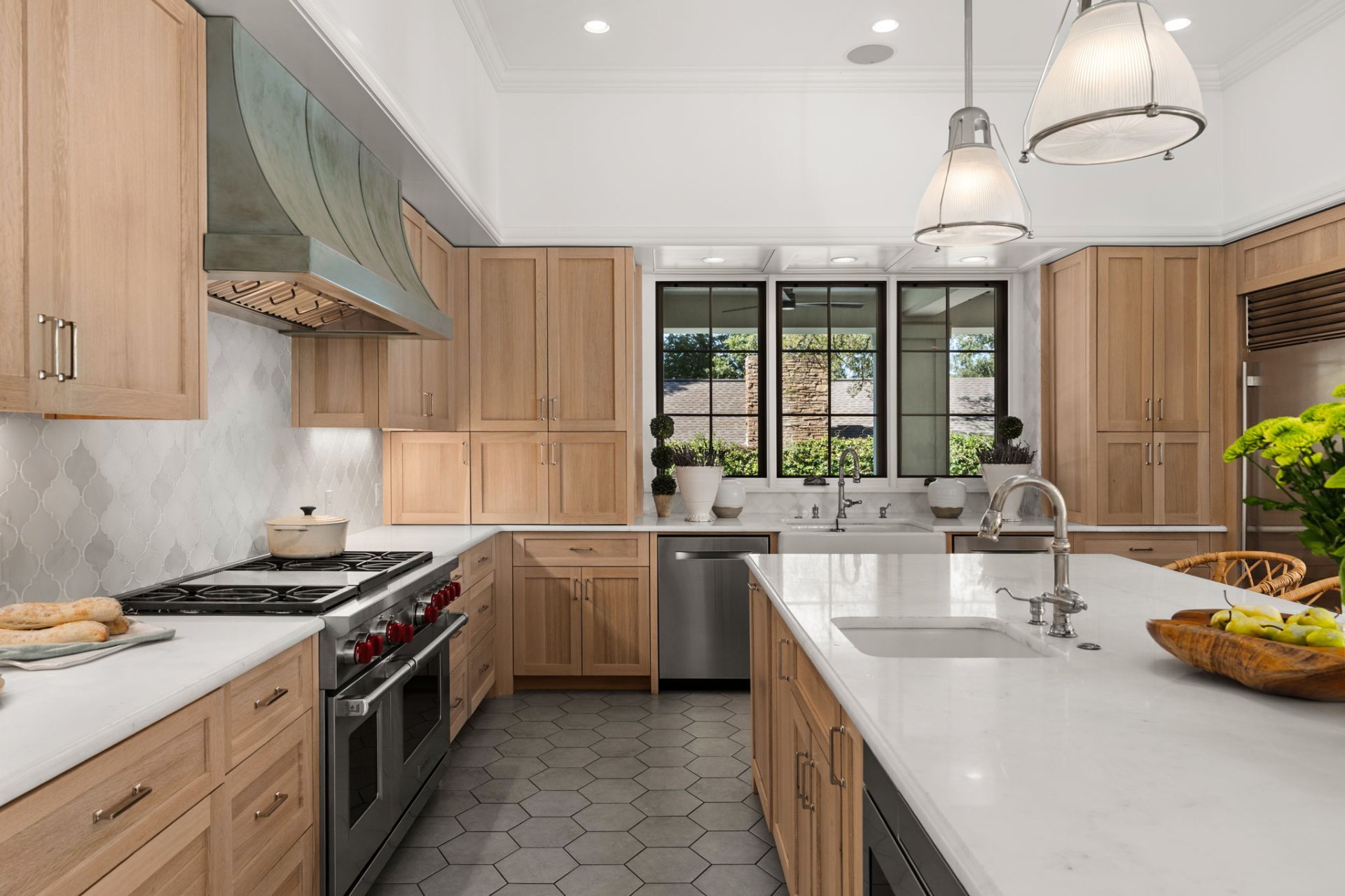
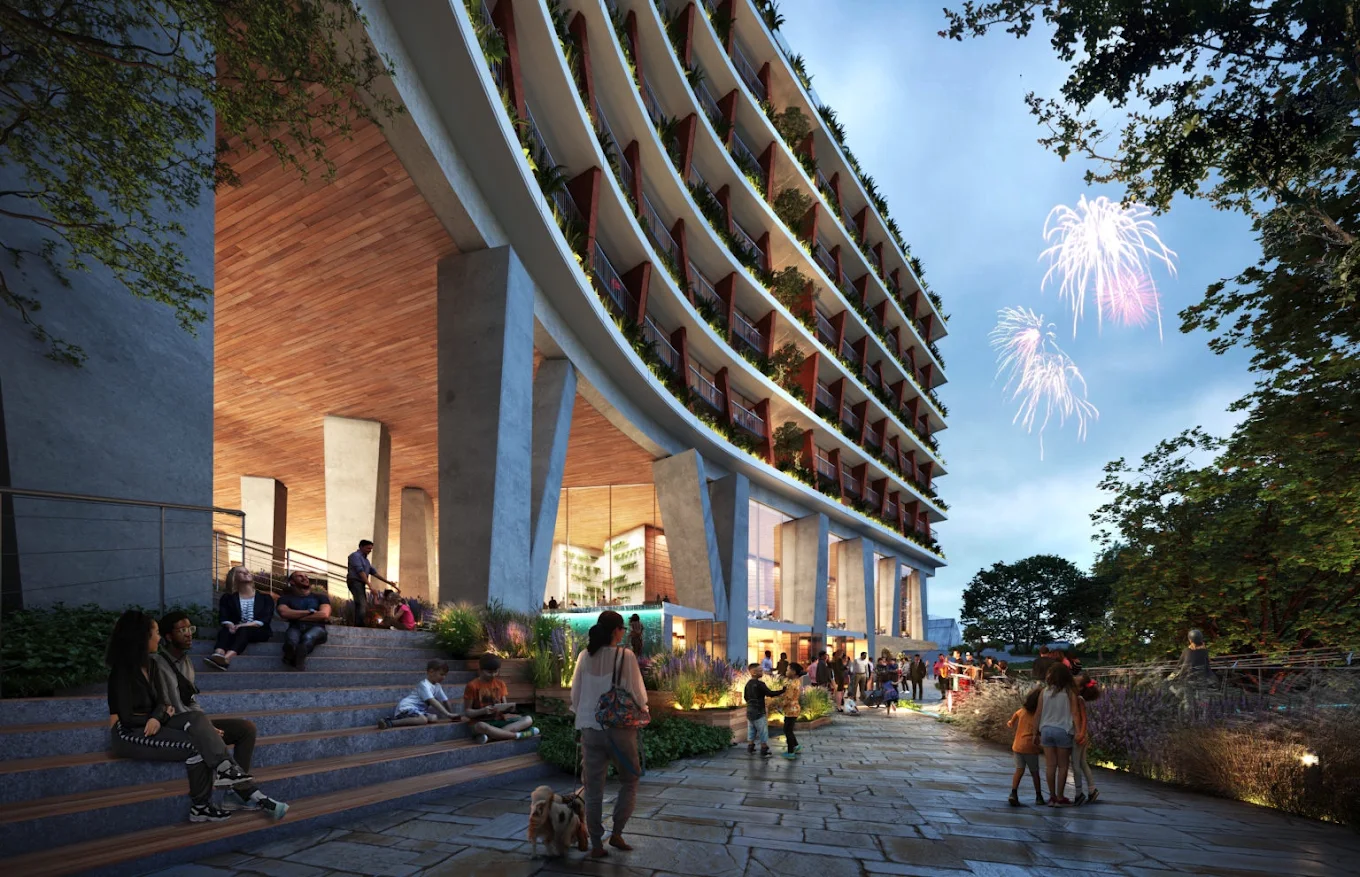
Buyers at the $3M+ tier are no longer impressed by square footage alone — they are paying for quality of construction, thoughtful design, and the kind of architectural detail shown here.
Austin's luxury real estate market looks nothing like it did three years ago. The frenzy has passed. What remains is something more interesting: a market that has grown more sophisticated, more stratified, and more demanding of both buyers and sellers who want to operate effectively within it.
The shift isn't dramatic on the surface. Properties are still transacting at historically elevated prices. Demand from relocating professionals remains real. The city's economic fundamentals, major employers, population growth, infrastructure investment, haven't reversed. But the environment has changed in ways that matter enormously to anyone making a significant financial decision in this space.
Sellers who anchor on 2021 or 2022 comps are watching their listings accumulate days. Buyers who assume they can move slowly on a well-priced property in Tarrytown or West Lake Hills are sometimes learning otherwise. The market is no longer uniformly forgiving or uniformly difficult. It depends heavily on submarket, price band, property quality, and timing.
Understanding the Austin luxury market trends that are actually driving outcomes right now requires moving past broad characterizations. This article breaks down the structural forces shaping the high-end segment: where the price thresholds sit today, which neighborhoods are defining demand, who is buying and why, how inventory constraints are reshaping the transaction landscape, and what the rest of 2026 is likely to bring. For a continuously updated read on conditions, our Austin luxury market report and market intelligence dashboard track these forces in real time.
How Austin's Luxury Price Floor Has Moved
The definition of luxury in Austin has shifted considerably over the past several years, and that shift has real consequences for how buyers and sellers position themselves.
In 2019, a $1.2M home in a desirable Austin neighborhood represented genuine luxury. Today, that same price point often reflects a well-located but modest property in a core zip code. The pandemic-era appreciation cycle pushed price floors upward across the board, and while the market has moderated from its peak, those structural price gains have largely held. Our Austin inventory levels explained analysis shows how supply dynamics have reinforced that floor.
Most practitioners working the high-end segment now place the entry-level luxury threshold between $1.5M and $2M. True luxury product, defined by location quality, construction standards, lot size, and finishes, generally starts around $2.5M to $3M. Above $5M, you're in a thin but consistently active ultra-luxury tier where transactions happen quietly and comparables are sparse.
This stratification creates meaningfully different market dynamics depending on where a property sits within that range.
Entry-level luxury ($1.5M to $2.5M): This band includes newer construction in areas like South Lamar, Mueller, and parts of North Loop. Buyers here are often dual-income professionals or move-up buyers from Austin's broader market. Days on market are more sensitive to pricing, and competition can still emerge on well-positioned properties.
Mid-tier luxury ($2.5M to $4M): Properties in this range attract a more deliberate buyer. Established neighborhoods like Barton Hills, Rollingwood, and the 360 Corridor see activity here. Buyers are more likely to be relocating executives or local professionals with significant equity from prior sales. The negotiation dynamic is more nuanced.
High-end and ultra-luxury ($4M and above): West Lake Hills, Tarrytown, Barton Creek, and Lake Austin waterfront dominate this tier. Transactions are less frequent, more complex, and often involve significant cash components or portfolio lending. Properties sit longer when overpriced, but move decisively when positioned correctly.
Understanding where a property falls within this stratified landscape determines everything from marketing strategy to realistic expectations around time to close. Sellers who treat the luxury market as a monolith tend to be disappointed. Those who understand exactly which buyer pool they're competing for tend to perform significantly better. Our how to price a luxury home in Austin and high-end home valuation guides go deeper on positioning within each band.
The Submarkets Defining Luxury Demand
Location in Austin's luxury segment isn't just about prestige. It's about school districts, lake access, commute patterns, and the specific lifestyle infrastructure that high-end buyers are willing to pay a meaningful premium to access. Our best luxury neighborhoods in Austin guide and the insider's review of Austin's most coveted enclaves cover each of these areas in depth.
The established core luxury corridors remain consistent in their appeal, though each has its own dynamics.
West Lake Hills and Rollingwood continue to anchor the market at the upper end. Eanes ISD is a primary driver for families with school-age children, and the district's reputation sustains demand even during broader market softening. Inventory here is structurally limited. Lots are large, existing homes are often custom-built, and homeowners rarely sell unless circumstances compel it.
Tarrytown draws buyers who want walkability, proximity to Lady Bird Lake, and the character of an established Central Austin neighborhood without the density of downtown. It attracts a different buyer than West Lake Hills, often someone prioritizing urban access over acreage. Price per square foot in Tarrytown reflects the land value premium of its location. The Tarrytown vs. West Lake Hills comparison breaks down the trade-offs in detail.
Barton Creek and Rob Roy appeal to buyers seeking privacy, larger lots, and Hill Country adjacency without leaving the city. The Barton Creek gated community occupies a distinct niche, offering gated access, golf, and a more resort-adjacent lifestyle. These properties tend to attract buyers who have already lived in Austin and are making a deliberate lifestyle upgrade.
Lake Austin waterfront represents its own category. True waterfront on Lake Austin is among the most constrained inventory in Central Texas, and pricing reflects that scarcity. Buyers here are often purchasing a long-term asset as much as a residence. Our Lake Austin vs. Lake Travis analysis covers the structural differences between the two waterfront markets.
Beyond the established core, several areas are seeing meaningful luxury expansion.
Dripping Springs has emerged as a legitimate luxury destination, not simply an affordable alternative. Properties on larger acreage with Hill Country views are attracting buyers who previously would have looked exclusively inside Loop 360. The commute trade-off has become more acceptable as hybrid work arrangements have become permanent for many buyers.
Select pockets of East Austin have seen high-end infill development and architectural custom builds that compete on quality and design rather than lot size or school district. This buyer profile skews younger, design-focused, and less dependent on traditional luxury markers. Our coverage of Austin infill development and highest and best use analysis explores how these projects pencil.
Lake Travis ISD anchors demand in the Bee Cave and Lakeway corridor, creating a secondary luxury cluster that draws families who want top-rated schools, lake access, and newer construction at price points that are often more accessible than West Lake Hills.
Who Is Buying and What Has Changed
The buyer pool in Austin's luxury segment is more diverse than it was five years ago, and buyer priorities have shifted in ways that are now structural rather than temporary.
Relocating professionals from California, New York, and other high-cost metros remain a meaningful part of the market. Major employers including Tesla, Apple, Samsung, and Oracle have established significant Austin presences, and that corporate footprint continues to generate a pipeline of high-income buyers entering the market. These buyers often arrive with equity from prior home sales in more expensive markets, which changes the cash-versus-financing calculus considerably. Buyers making that transition will find our moving to Austin guide and moving from New York to Austin playbook a useful starting point.
Local move-up buyers represent another significant segment. Austin residents who purchased in the $600K to $1.2M range during earlier market cycles have accumulated substantial equity and are now entering the luxury tier for the first time. Their priorities differ somewhat from relocating buyers: they know the submarkets, they have opinions about schools and commutes, and they tend to be more deliberate in their search process. Our 8 strategies to buy a home in Austin's buyer's market covers tactics that apply directly to this group.
Investors acquiring high-end residential assets for long-term holds are also present, though they operate differently than in the entry-level segment. At the luxury tier, the investment thesis is typically about capital preservation, appreciation potential, and optionality rather than cash flow. The 7 proven strategies to build a luxury real estate portfolio in Austin lays out the playbook in detail, and our Austin real estate investment practice supports buyers building these positions.
What buyers across all these profiles are prioritizing has shifted noticeably.
Square footage has become less important than quality of construction and thoughtful design. Buyers at the $3M to $5M level are not impressed by large homes with mediocre finishes. They are looking for properties where the architecture, materials, and systems reflect genuine quality. Homes that deliver on that standard are commanding premiums. Those that don't are sitting.
Privacy and functional outdoor space have moved from preferences to near-requirements. A property with a well-designed outdoor living area, meaningful tree coverage, and visual separation from neighbors performs meaningfully better than a comparable home without those features.
Home office infrastructure has become a permanent consideration. Buyers who are working remotely or on hybrid schedules need dedicated, functional workspace, not a converted bedroom. Properties that offer a true home office, ideally with separation from the main living areas, are consistently flagged as priorities.
Inventory Constraints and the Off-Market Reality
One of the most consequential structural features of Austin's luxury market is how little inventory actually reaches the open market at any given time. This isn't a temporary condition. It reflects several overlapping forces that are unlikely to resolve quickly.
Long-term homeowners in established neighborhoods like West Lake Hills and Tarrytown are often reluctant to sell. Many purchased at significantly lower price points and have no mortgage. Trading into a higher-rate environment means either paying cash for the next property or taking on financing at rates that didn't exist when they originally bought. The financial calculus often favors staying put. Our Austin mortgage rate impact analysis breaks down how rate environments influence these decisions at the high end.
New construction in established luxury neighborhoods is constrained by the absence of developable land. Inside Loop 360, there are very few large parcels available for new luxury development. What does come to market tends to be infill teardowns, which are expensive to acquire and complex to develop. This limits the supply of new product in the most desirable locations.
The result is that much of the most compelling luxury inventory in Austin never appears on MLS. The off-market real estate and private listing ecosystem has grown significantly as a structural feature of this market segment, not as a novelty or a workaround. Our exclusive properties Austin and beyond Zillow coverage explains why the most compelling product never reaches public search.
At the $3M and above tier, many sellers actively prefer to transact quietly. Privacy is a genuine concern. So is the perception risk of a property sitting publicly on the market for an extended period. A home that accumulates 90 days on MLS carries a stigma that can be difficult to overcome, regardless of the underlying quality. Sellers who have the option to avoid that exposure often choose to do so. Our confidential property transactions guide covers how these deals are structured.
For buyers, this creates a real information asymmetry. If you are working exclusively through public listing searches, you are seeing only a portion of what is actually available. The buyers who are seeing the full picture are those whose advisors have genuine relationships with other luxury agents, developers, and homeowners who are considering a sale but haven't formally listed. Echelon Property Group's private opportunities channel exists specifically to close that gap.
Pricing, Days on Market, and Negotiation at the High End
The luxury segment in Austin has bifurcated in a way that creates two very different transaction experiences depending on how a property is positioned.
Well-priced, well-presented properties in core locations are still moving. Buyers who have been watching the market for months recognize value when they see it, and they act. A home in West Lake Hills that is priced accurately, staged thoughtfully, and marketed to the right buyer pool can still generate serious interest within the first few weeks. The pandemic-era frenzy is gone, but disciplined demand remains.
Overpriced or poorly positioned listings tell a different story. Extended days on market, price reductions, and eventual relisting are common patterns for properties that entered the market anchored to peak-cycle comps or seller expectations that don't reflect current conditions. This is not a small problem in the luxury segment. It is one of the primary reasons transactions fail to close. Our how to sell a luxury home in Austin and marketing luxury properties in Austin guides walk through how to avoid these patterns.
Valuation at the high end is genuinely difficult. Comparable sales are sparse. Unique architectural features, site conditions, and custom improvements don't translate cleanly to standard appraisal methodology. A property with a guest house, a pool, a significant view, and a highly customized interior may have no true comparable within a mile. Pricing a luxury home in Austin requires judgment, market knowledge, and an honest assessment of what the current buyer pool will actually support.
Sellers who rely on peak-market comps from 2021 or 2022 are setting themselves up for a difficult experience. Those conditions reflected a specific, temporary environment that no longer exists in most price bands. Current pricing needs to reflect current demand, current inventory levels, and the specific characteristics of the property being sold. Use our home value tool for a starting point, but pair it with submarket-specific advisory before setting an asking price.
Negotiation at the luxury tier looks different than in the broader market. Aggressive lowball offers rarely work and often damage the relationship before it starts. Effective negotiation here is more about understanding seller motivation, identifying flexibility on terms, and structuring an offer that addresses what the seller actually needs. Sometimes that's price. Sometimes it's a leaseback period, a specific closing timeline, or certainty of execution. Buyers who approach luxury transactions with that level of sophistication tend to get better outcomes than those who treat it as a purely adversarial price negotiation. Our exclusive representation and buyer representation agreement coverage explains how that relationship structure supports better outcomes.
Key Variables to Watch Through the Rest of 2026
Several factors will shape how Austin's luxury market performs through the remainder of the year, and buyers and sellers who understand them will be better positioned to make decisions.
Interest rate trajectory matters, even at the luxury tier. Jumbo loan activity is sensitive to rate movements, and while many high-end buyers in Austin transact with significant cash components or use portfolio lending products, the broader rate environment affects buyer confidence and the opportunity cost of capital. A meaningful rate reduction would likely accelerate activity in the $2M to $4M range, where financing is more commonly part of the transaction structure.
Corporate relocation announcements continue to be a meaningful demand driver. Austin's major employers are still expanding, and each announcement of new office space, new hiring targets, or new campus development adds to the pipeline of high-income buyers who will eventually enter the market. The billionaire migration tracker and our Austin luxury market trends report follow these indicators on an ongoing basis.
New luxury construction in areas like Barton Creek and the Hill Country corridor will add some supply, but the pace of delivery is slow relative to demand. Custom construction timelines are long, and the cost of new construction has remained elevated. This limits the degree to which new supply will meaningfully relieve inventory pressure in established neighborhoods. Our Austin redevelopment opportunities and Austin mixed-use development coverage tracks where new product is actually getting built.
The land and ranch market deserves specific attention as an extension of the luxury residential conversation. Buyers seeking privacy, acreage, and Hill Country access are increasingly part of the same buyer pool as urban luxury purchasers. Hill Country markets including Dripping Springs, Marble Falls, and areas around Fredericksburg are attracting buyers who want a primary or secondary property with meaningful acreage. This is not a separate market from Austin luxury. It is an expansion of it. Our land and ranch practice and Texas Hill Country estates coverage tracks this convergence.
The overall picture for Austin's luxury market through the rest of 2026 is one of stability with nuance. This is not a distressed market. It is a more discerning one. Buyers who are prepared, connected, and working with advisors who understand the off-market landscape will find real opportunity. Sellers who price accurately and present their properties with intention will transact. Those who approach the market without that preparation will find it less accommodating than they expected.
Putting It All Together
Austin's luxury market is more layered than most coverage suggests. The headline narrative of either a booming market or a correcting one misses the actual story, which is that outcomes in this segment are highly specific to submarket, price band, property quality, and how well a buyer or seller understands the landscape they're operating in.
The fundamentals that have made Austin a compelling luxury market remain intact: a growing employment base, a steady inflow of high-income relocating professionals, constrained inventory in the most desirable neighborhoods, and a lifestyle environment that continues to attract buyers from higher-cost markets. None of that has changed.
What has changed is the level of precision required to succeed. Sellers need accurate pricing grounded in current conditions, not peak-cycle nostalgia. Buyers need access to the full market, including the significant portion that never reaches MLS. Both parties benefit from working with an advisor who understands the specific dynamics of each submarket rather than treating Austin luxury as a single, uniform category.
Echelon Property Group works exclusively in this space, with deep relationships across Austin's luxury submarkets and consistent access to off-market and pre-market opportunities. If you're evaluating a move in the $2M to $10M range, whether buying, selling, or simply trying to understand where the market actually stands, the conversation is worth having.
Learn more about our services and connect with our team for a candid, strategy-focused discussion about your specific situation.
*This article is for educational purposes only and does not constitute financial, legal, tax, or investment advice. Austin luxury market conditions vary by submarket and change continuously. Confirm current conditions with appropriate professional advisors before making real estate decisions.*
Frequently Asked Questions
What price range qualifies as luxury in Austin in 2026?
Entry-level luxury now starts between $1.5M and $2M, with true luxury product generally beginning around $2.5M to $3M. The ultra-luxury tier sits above $5M and trades infrequently with sparse comparables.
Are Austin luxury home prices still going up?
Pandemic-era appreciation has moderated, but structural price gains have largely held in core neighborhoods like West Lake Hills, Tarrytown, Barton Creek, and Lake Austin. Well-priced, well-presented properties in those areas continue to transact at historically elevated prices.
Which Austin neighborhoods are anchoring luxury demand right now?
West Lake Hills and Rollingwood (Eanes ISD), Tarrytown, Barton Creek and Rob Roy, and Lake Austin waterfront remain the core. Dripping Springs, select East Austin pockets, and the Lake Travis ISD corridor are seeing meaningful luxury expansion.
Why is so much luxury inventory off-market in Austin?
Privacy concerns, the stigma of long days on MLS at the high end, and seller preference for controlled exposure mean a large share of $3M+ inventory transacts through private channels. Access depends on relationships rather than public search.
Should sellers still price to 2021 or 2022 comps?
No. Peak-cycle pricing reflects a specific, temporary environment that no longer exists in most price bands. Pricing needs to reflect current demand, current inventory levels, and the specific characteristics of the property.
What are luxury buyers prioritizing in 2026?
Quality of construction over raw square footage, privacy and functional outdoor space, and dedicated home office infrastructure are the dominant priorities at the $3M to $5M level and above.
Continue Exploring
Three places to go from here

ABOUT THE AUTHOR
Taylor Sherwood
Austin Real Estate Advisor · Echelon Property Group
Taylor Sherwood is a Certified Luxury Home Marketing Specialist (CLHMS) and top-performing Austin real estate advisor. He specializes in luxury residential properties, land development, commercial real estate, and investment property across Austin and the Texas Hill Country. With deep market expertise and a results-driven approach, Taylor helps buyers, sellers, and investors navigate Austin's most competitive real estate segments.
Related Reading
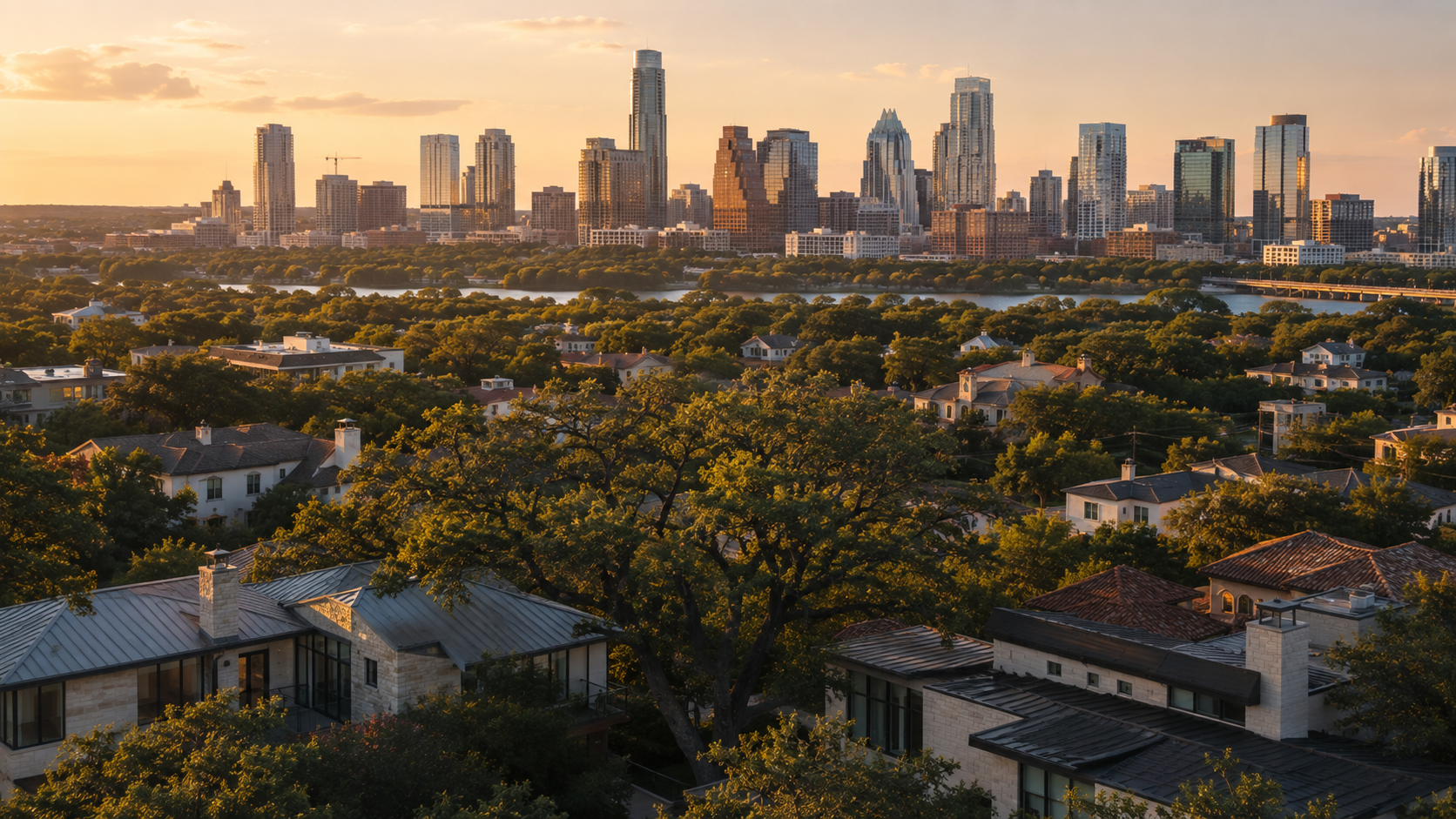
Texas Homestead Exemption 2026: The New $140,000 Rules, What They Actually Save in Austin, and the Cap That Dies in December
The Texas homestead exemption jumped to $140,000 in November 2025 ($200,000 at 65+). Full Austin entity-by-entity math, worked examples at $650K and $2.5M, the two-year refund window, and the investor cap expiring December 31, 2026.
2026-08-20 • 17 min read
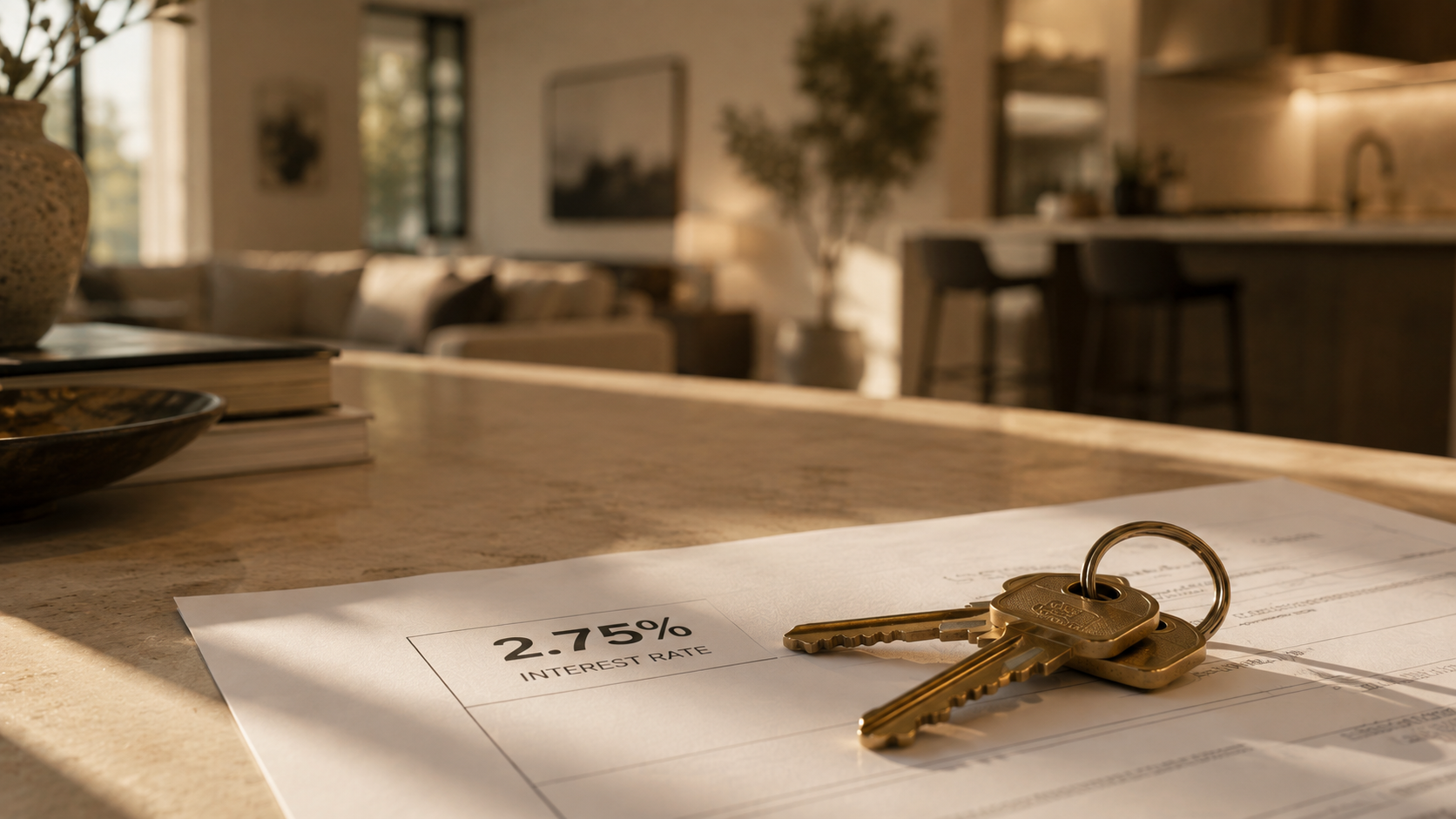
Assumable Mortgages in Austin: How Buyers Are Getting 2.75% in a 6.67% World
294 Austin homes have assumable 3% mortgages right now. The 2026 guide to finding them, funding the equity gap, and what sellers should charge for the note.
2026-08-18 • 16 min read
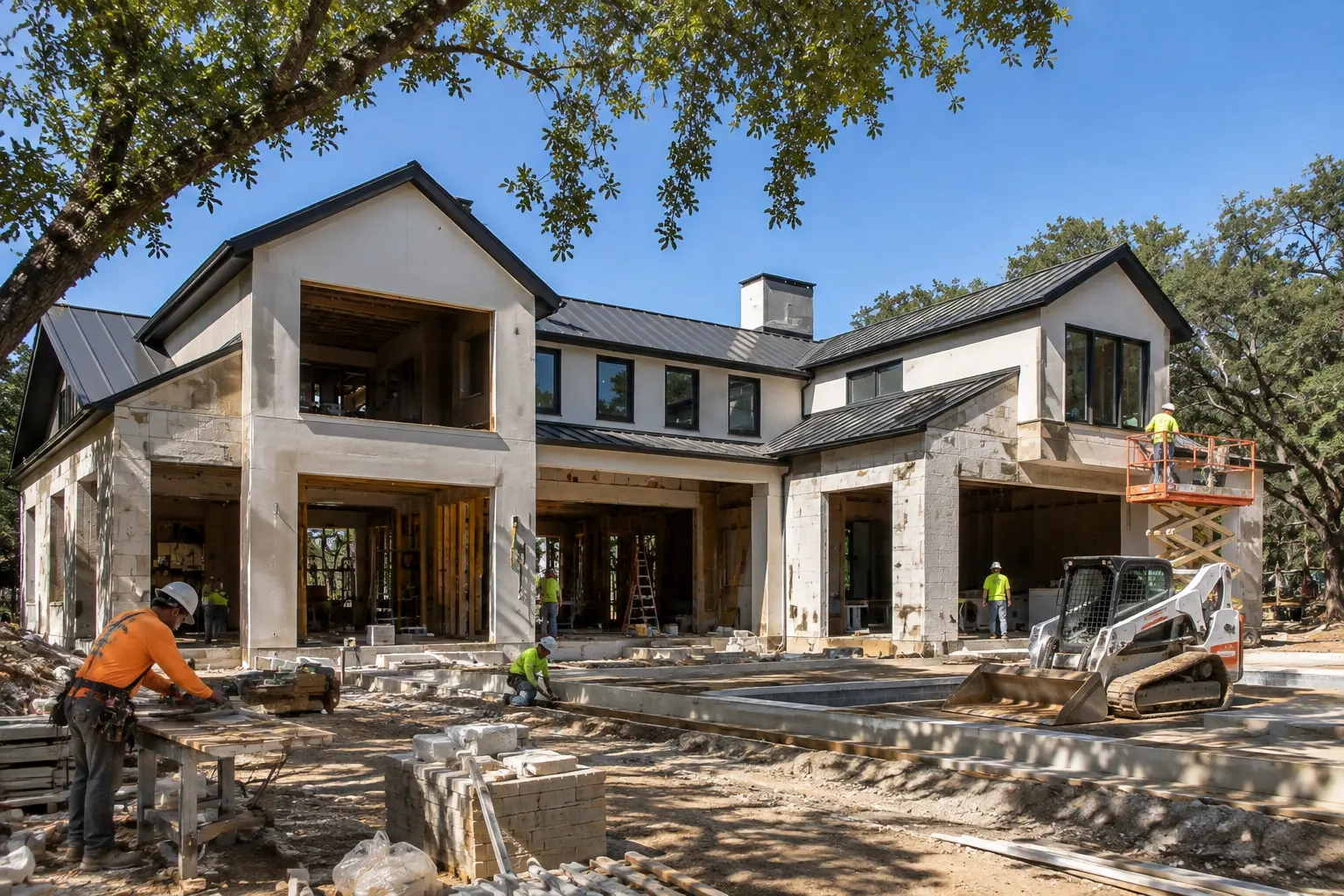
What It Really Costs to Build a Custom Home in Austin in 2026 (And When You Shouldn't)
What it actually costs to build a custom home in Austin in 2026: per-square-foot tiers, the full cost stack, tariffs, permits, and when buying beats building.
2026-08-15 • 16 min read
Downtown Austin Condos in 2026: Texas Built Its Tallest Tower and Put Nothing in It for Sale
Texas built its tallest tower and put zero units up for sale. Downtown Austin condo prices, HOA fees by building, worked carry math, and why the resale market just became the only game in town.
2026-08-12 • 20 min read