The Future of Sustainable Architecture
Exploring how modern architectural practices are evolving to meet environmental challenges while maintaining design excellence.
The Future of Sustainable Architecture
The architectural landscape is undergoing a profound transformation as we face the urgent need to address climate change and environmental degradation. Sustainable architecture is no longer a niche consideration, it has become the cornerstone of responsible design practice.
Defining Sustainable Architecture
Sustainable architecture encompasses more than just energy efficiency. It represents a holistic approach to building design that considers the entire lifecycle of a structure, from material sourcing to end-of-life disposal. This philosophy integrates environmental, social, and economic factors to create buildings that not only minimize their ecological footprint but also enhance the quality of life for their occupants.
Key Principles of Sustainable Design
Material Selection
The choice of building materials plays a crucial role in sustainable architecture. Architects are increasingly turning to:
- Recycled and upcycled materials
- Locally sourced materials to reduce transportation emissions
- Bio-based materials like bamboo, cork, and mycelium
- Materials with low embodied energy
Energy Efficiency
Modern sustainable buildings incorporate:
- Passive solar design principles
- High-performance insulation systems
- Smart building technologies
- Renewable energy integration
- Natural ventilation strategies
Water Management
Sustainable architecture addresses water conservation through:
- Rainwater harvesting systems
- Greywater recycling
- Permeable landscaping
- Low-flow fixtures and appliances
Emerging Trends
The future of sustainable architecture is being shaped by several emerging trends:
Biophilic Design
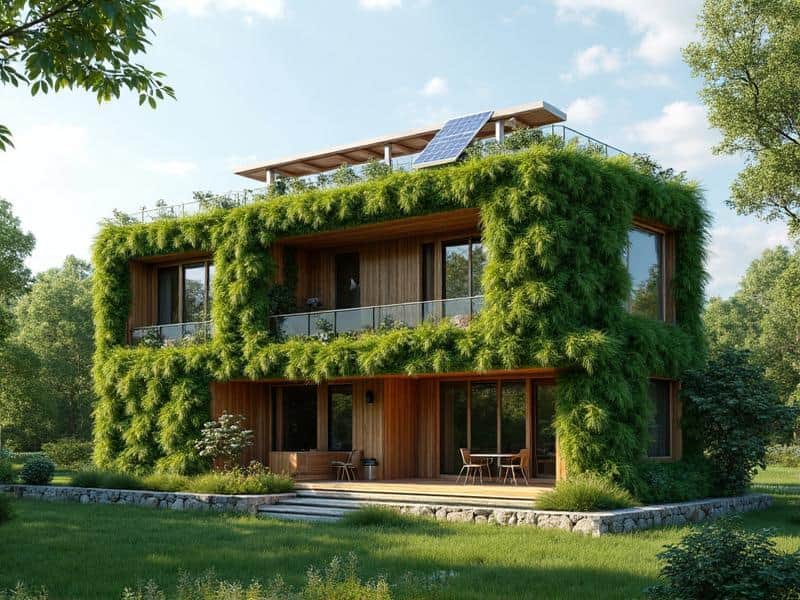
The integration of natural elements into built environments is gaining momentum. This approach recognizes the innate human connection to nature and seeks to incorporate natural light, ventilation, vegetation, and organic forms into architectural design.
Circular Economy Principles
Architects are beginning to design for disassembly, creating buildings that can be easily deconstructed and their materials reused in new projects. This approach challenges the traditional linear model of construction and waste.
Carbon-Neutral and Carbon-Negative Buildings
The next generation of sustainable buildings aims not just to minimize carbon emissions but to actively remove carbon from the atmosphere through innovative design and material choices.
Challenges and Opportunities
While the path toward sustainable architecture presents challenges, including higher upfront costs, regulatory barriers, and the need for specialized knowledge, it also offers tremendous opportunities. These include reduced operational costs, improved occupant health and productivity, and the potential to create resilient communities that can adapt to changing environmental conditions.
Sustainable Architecture in Austin, Texas
Austin's luxury real estate market has embraced sustainable design principles with particular enthusiasm. The city's Hill Country setting, abundant sunshine, and environmentally conscious culture create ideal conditions for sustainable building. Custom homes in communities like West lake Hills and Barton Creek increasingly incorporate solar arrays, rainwater collection systems, and passive cooling strategies that respond to the Central Texas climate.
For buyers exploring Austin's luxury market, sustainable features are no longer a niche preference, they are a value driver. Homes with thoughtful environmental design often command premiums, particularly among relocating buyers from California and the Pacific Northwest who prioritize energy performance. To explore how sustainability intersects with Austin's luxury landscape, browse our guide to the best luxury neighborhoods in Austin or explore all Austin communities.
Conclusion
The future of architecture lies in our ability to create buildings that work in harmony with natural systems. As architects, we have the responsibility and the opportunity to design a built environment that supports both human well-being and planetary health. The transition to sustainable architecture is not just an environmental imperative, it is a creative challenge that will define the next era of architectural innovation.
Frequently Asked Questions
Are sustainable homes more expensive to build in Austin?
Initial construction costs for sustainable homes are typically 5-15% higher, but long-term savings on energy, water, and maintenance often offset the premium within 5-7 years. Many Austin luxury builders now integrate sustainable features as standard practice.
Which Austin neighborhoods have the most sustainable homes?
West lake Hills, Barton Creek, and Dripping Springs feature many custom homes with sustainable design elements including solar energy, native landscaping, and advanced insulation systems suited to the Central Texas climate.
Does sustainable design affect resale value?
Yes. Homes with verified energy-efficient features and sustainable materials increasingly command higher resale values in Austin's luxury market, particularly among relocating buyers who prioritize environmental performance.
Continue Exploring
Three places to go from here

ABOUT THE AUTHOR
Taylor Sherwood
Austin Real Estate Advisor · Echelon Property Group
Taylor Sherwood is a Certified Luxury Home Marketing Specialist (CLHMS) and top-performing Austin real estate advisor. He specializes in luxury residential properties, land development, commercial real estate, and investment property across Austin and the Texas Hill Country. With deep market expertise and a results-driven approach, Taylor helps buyers, sellers, and investors navigate Austin's most competitive real estate segments.
Related Reading
Where Austin Homeowners Are Actually Moving in 2026, and How Investors Should Trade It
Travis County just posted its first population decline in over 20 years. County-by-county migration data, the $992/month carrying-cost arbitrage, and four investment theses.
2026-07-28 • 11 min read
Should I Sell My House Now or Wait? The 2026 Austin Math Most Homeowners Have Not Run
New Unlock MLS data puts Austin's true monthly cost of ownership at $2,516 and climbing. Here is the real math on waiting to sell, with tables and a worked 24-month example.
2026-07-28 • 10 min read

Selling an Inherited House in Texas: Probate, Taxes, and Timeline (2026)
How to sell an inherited house in Texas in 2026: the four probate paths, stepped-up basis tax math, Travis County specifics, timelines, and mistakes to avoid.
2026-07-28 • 11 min read
Texas Is a Non-Disclosure State. Here's What That Actually Means for Your Money.
Texas home sale prices never become public record. The full list of non-disclosure states, why Zillow gets Austin wrong, the TCAD data war, and the property tax playbook.
2026-07-27 • 10 min read