What Makes a Property Luxury Real Estate? looking Beyond Price
Discover what makes property luxury real estate beyond price. Learn the defining traits, design, exclusivity, and craftsmanship, that set luxury homes apart.
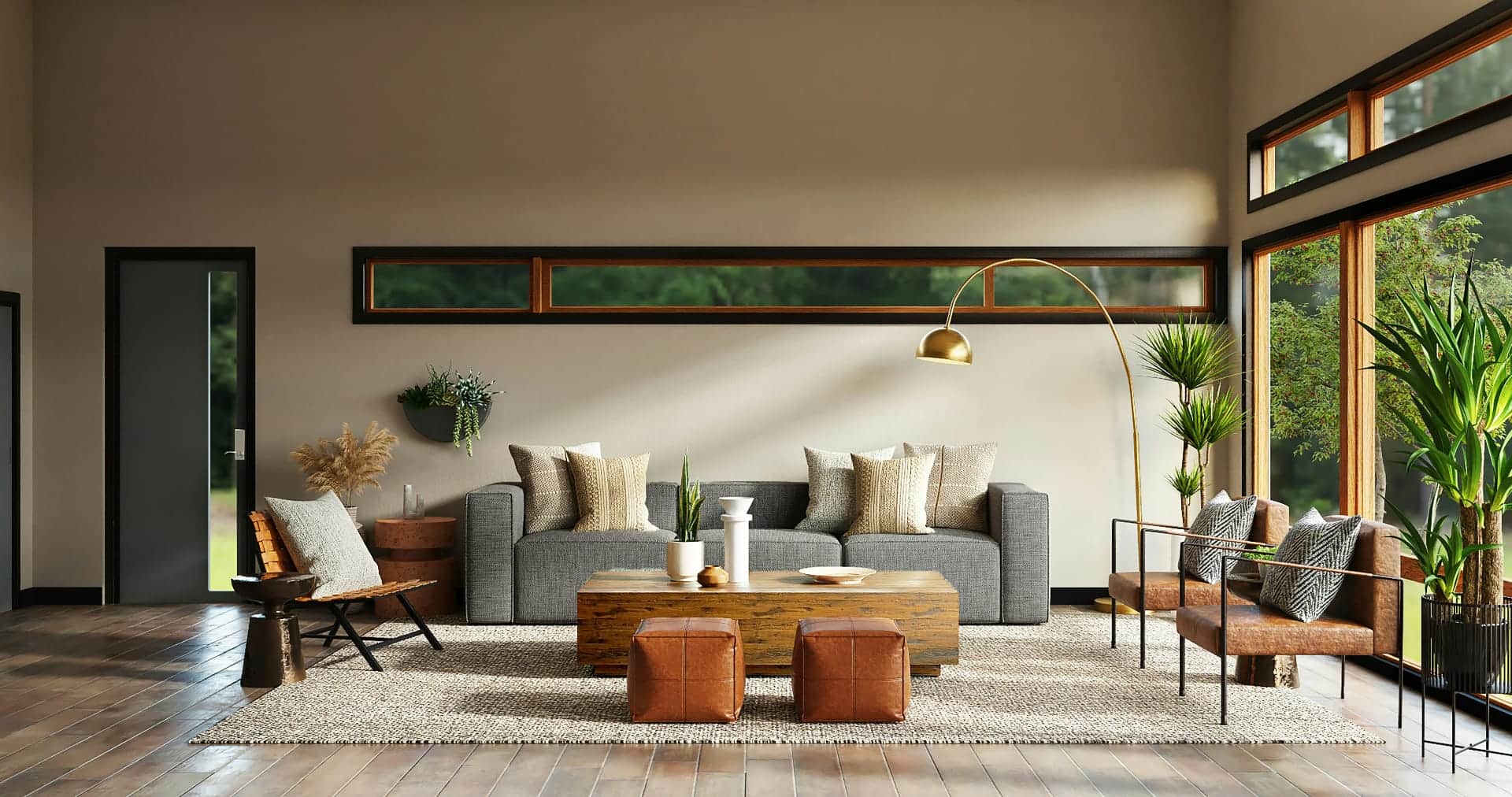
What Makes a Property Luxury Real Estate?
looking Beyond Price
Understanding what makes a property luxury real estate goes far beyond price tags alone. True luxury is defined by irreplaceable qualities such as architectural distinction, elite location, exceptional craftsmanship, privacy, lifestyle integration, and the kind of scarcity that money alone cannot manufacture. This guide explores the defining characteristics that separate genuinely luxurious properties from homes that are simply expensive, helping buyers and sellers better understand how real value is created in the upper tier of the market.
Picture two homes listed in Austin right now. The first is priced at $3.2 million: a large house in a desirable zip code, recently renovated with granite countertops, stainless appliances, and a pool. The second is listed at $1.8 million: a custom-designed residence on a private acre overlooking the Hill Country, built by a celebrated local architect, with hand-sourced limestone walls, seamless indoor-outdoor living, and a level of quiet seclusion that no renovation budget could ever recreate. Which one is luxury real estate?
If your answer was the more expensive home, you're not alone. Most people instinctively associate luxury with price. But seasoned luxury brokers, architects, developers, and high-net-worth buyers understand something far more nuanced: price is the result of luxury, not the definition of it.
An expensive home and a luxury home are not automatically the same thing. Confusing the two can cause buyers to overpay for mediocrity while overlooking genuinely exceptional opportunities hidden beneath less aggressive pricing strategies.
True luxury real estate exists where several defining qualities converge: irreplaceable location, architectural pedigree, superior craftsmanship, experiential living, privacy, scarcity, and emotional resonance. In a city like Austin, where the luxury market has rapidly evolved alongside explosive population and wealth growth, understanding these distinctions has never been more important.
Whether you are buying, selling, investing, or simply trying to understand what genuinely qualifies as luxury property in today's market, this guide breaks down the characteristics that truly define luxury real estate.
Beyond the Price Tag: Why Cost Alone Doesn't Define Luxury
One of the biggest misconceptions in real estate is the belief that luxury is determined purely by price point. In reality, price is often a lagging indicator. It reflects the presence of luxury attributes rather than creating them.
A home may command a premium simply because it exists in a hot market, has trendy finishes, or benefits from temporary inventory shortages. That does not necessarily make it luxurious in any meaningful or lasting sense.
Luxury real estate professionals evaluate homes through a much more sophisticated lens. Key factors include:
- Irreplaceability of location
- Architectural significance
- Construction quality and craftsmanship
- Privacy and exclusivity
- Lifestyle integration
- Land value and scarcity
- Long-term desirability
- Emotional impact
When these elements align at a high level, price naturally follows. When only some are present, the home may be expensive without being truly exceptional.
Luxury thresholds also vary dramatically between markets. What qualifies as luxury in one city may barely register in another. In most markets, luxury is generally defined as the top five to ten percent of listings by value, but even that numerical benchmark only tells part of the story.
In Austin, the definition of luxury has evolved substantially over the last decade. As technology founders, executives, entrepreneurs, athletes, and investors relocated from markets like California, New York, and Miami, buyer expectations shifted upward alongside them. We unpack that demographic shift in our look at why billionaires are moving to Austin.
Today's Austin luxury buyer is often globally exposed and highly design-conscious. They compare properties not just locally, but against homes in Beverly Hills, Palm Beach, Aspen, Manhattan, and Miami Beach. That means true luxury properties in Austin must compete on a far more sophisticated level than they once did.
The practical takeaway for buyers is simple: evaluate whether a home's pricing is supported by genuine luxury attributes or merely by market momentum. That distinction changes everything about value, negotiation leverage, and long-term investment potential.
Location, Privacy, and the Power of Address
If there is one characteristic that consistently separates luxury real estate from merely expensive real estate, it is location.
Not just a desirable location, but a genuinely irreplaceable one.
You can renovate interiors. You can update finishes. You can modernize layouts. But you cannot create new waterfront, manufacture hilltop views, or duplicate the prestige of an iconic neighborhood.
In Austin, location-driven luxury takes several distinct forms.
Lake Austin waterfront properties remain among the most coveted assets in the Texas luxury market, combining direct water access, private boat docks, dramatic scenery, and proximity to downtown Austin. These homes offer a lifestyle that cannot be replicated elsewhere in the region.
In Barton Creek, luxury is often defined through elevation changes, golf course integration, protected greenbelt surroundings, and a feeling of retreat within nature while still remaining close to the city core.
Westlake Hills, Rollingwood, Pemberton Heights, Tarrytown, Rob Roy, Spanish Oaks, and Davenport Ranch each carry their own version of address prestige, shaped by school districts, lot sizes, topography, architectural quality, and long-standing market reputation. Our guide to the best luxury neighborhoods in Austin compares these enclaves side by side.
Privacy has also become one of the most valuable luxury commodities in modern real estate.
High-net-worth buyers increasingly prioritize:
- Gated estates
- Long private driveways
- Significant acreage
- Natural landscape buffers
- Limited neighboring visibility
- Quiet surroundings
- Security infrastructure
- Off-market purchasing opportunities
True privacy cannot easily be added after acquisition. It must already exist within the property's positioning, lot configuration, and surrounding environment. For more on how privacy shapes acquisition strategy, see our piece on the best Austin enclaves for privacy.
There is also the intangible concept of address value. Certain streets, neighborhoods, and enclaves carry prestige independent of the homes themselves. A Lake Austin address or estate in Westlake Hills signals status before a buyer even enters the property.
This form of prestige develops over decades through architectural consistency, neighborhood reputation, land scarcity, and the caliber of residents who choose to live there. It cannot be mass-produced by developers overnight.
When evaluating luxury real estate, buyers should ask: *"Does this location offer something genuinely irreplaceable?"*
If the answer is yes, the property possesses one of the foundational characteristics of true luxury.
Architecture, Craftsmanship, and Enduring Design
Walk into a genuinely luxurious home and you notice something immediately, even before consciously identifying why.
The proportions feel balanced. The natural light lands intentionally. The transitions between spaces feel effortless. Materials feel substantial. The home creates emotional calm rather than visual chaos.
That is architectural distinction.
Luxury architecture is not about excess for the sake of excess. It is about cohesion, intentionality, and timeless execution.
A luxury home typically reflects one of two things:
- Architectural pedigree from a respected architect or design firm
- A highly coherent design vision executed at an exceptional level
The defining difference between a luxury home and a larger conventional home often lies in intentional design rather than square footage alone.
Luxury architecture carefully considers:
- Sight lines
- Ceiling heights
- Window placement
- Natural light orientation
- Indoor-outdoor flow
- Material transitions
- Spatial proportions
- Human experience within the home
The result is a property that feels effortless precisely because extraordinary effort went into creating it.
Construction quality is equally important.
In the luxury tier, buyers increasingly differentiate between cosmetic upgrades and genuine structural excellence.
True luxury homes often include:
- Hand-selected natural stone
- Custom millwork
- Level five drywall finishes
- Steel and glass architectural systems
- Integrated smart home infrastructure
- Premium insulation and HVAC systems
- Designer lighting plans
- Wide-plank hardwood flooring
- Artisan cabinetry
- Advanced acoustical engineering
- Commercial-grade kitchen appliances
- Bespoke hardware and fixtures
These are not merely visual upgrades. They affect how the home performs, ages, sounds, feels, and functions over decades of ownership. This is also why new construction in Austin varies so widely in long-term value, execution separates the field.
Design cohesion also separates genuinely luxurious homes from properties filled with expensive but disconnected finishes.
In a true luxury residence:
- Landscape architecture complements the home's architecture
- Interior materials carry consistent logic throughout the home
- Lighting design feels integrated rather than decorative
- Exterior and interior spaces speak the same design language
- Every room feels connected to a larger vision
This is the difference between a house designed to impress and one designed to endure.
Lifestyle Amenities That Transform a Home Into an Experience
Luxury living has evolved dramatically over the last several years.
Historically, luxury homes emphasized formal entertaining spaces and visible displays of wealth. Today's luxury buyer is far more focused on experiential living.
The central question has shifted from *"How impressive is this house?"* to *"How well does this property support the way I actually want to live?"*
This shift has elevated an entirely new category of luxury amenities.
Modern luxury buyers increasingly prioritize:
- Resort-style outdoor living
- Wellness-focused design
- Self-sufficiency
- Flexibility
- Convenience
- Privacy
- Entertainment integration
Luxury amenities now commonly include:
- Infinity-edge pools
- Professional outdoor kitchens
- Retractable screened patios
- Dedicated wellness spaces
- Cold plunge pools and saunas
- Home gyms with commercial equipment
- Wine tasting rooms
- Collector garages
- Home theaters
- Golf simulators
- Private offices and executive workspaces
- Smart home automation
- Integrated security systems
- Guest casitas
- Elevator access
- Private sport courts
In Austin specifically, luxury amenities are heavily shaped by climate and outdoor lifestyle integration.
The city's long outdoor season makes exterior living spaces significantly more valuable than in many colder markets. Buyers increasingly seek homes that blur the line between indoor and outdoor living through:
- Covered terraces
- Sliding wall systems
- Outdoor fireplaces
- Climate-controlled patios
- Resort-style pools
- Native landscape integration
- Greenbelt adjacency
- Hill Country view corridors
The strongest luxury homes create an ecosystem where owners rarely need to leave for leisure, wellness, entertainment, or relaxation.
At that point, the property becomes more than shelter. It becomes an immersive lifestyle environment.
The Intangibles: Scarcity, Provenance, and Emotional Resonance
Some of the most powerful luxury attributes are also the hardest to quantify.
Scarcity may be the single most important luxury driver of all.
A property becomes genuinely luxurious when it offers a combination of characteristics that cannot easily be replicated:
- Unique topography
- Historical significance
- Architectural pedigree
- Large private acreage
- Waterfront positioning
- Legacy ownership history
- Irreplaceable views
- Exceptional land composition
- Rare zoning advantages
Scarcity creates long-term resilience because supply remains permanently constrained while demand among qualified buyers remains consistent.
This is why truly rare luxury properties often outperform broader market appreciation trends over long time horizons, a dynamic we explore in wealth building through luxury real estate.
Provenance also matters.
Just as collectors value the story behind fine art, luxury buyers often value the story behind a property:
- Who designed it
- Who previously owned it
- When it was built
- Why it was created
- How it fits into architectural history
A home designed by a recognized architect or associated with a meaningful cultural or historical narrative often commands premiums that extend beyond pure functionality.
Then there is emotional resonance.
The best luxury homes create a feeling.
A sense of calm. Arrival. Inspiration. Privacy. Belonging. Escape.
This emotional response is not superficial. It directly impacts desirability, buyer urgency, and long-term market performance.
Luxury buyers are not simply purchasing bedrooms and bathrooms. They are purchasing identity alignment, lifestyle enhancement, emotional refuge, and experiential quality.
That is why certain homes generate immediate emotional attachment while others, despite high pricing, feel interchangeable.
The Role of White-Glove Service and Off-Market Access
Luxury real estate extends beyond the physical property itself. The buying and selling experience matters just as much.
High-net-worth buyers increasingly expect:
- Confidentiality
- Sophisticated advisory guidance
- Concierge-level service
- Off-market access
- Discretion
- Network-driven opportunities
- Strategic negotiation expertise
Many of the most desirable luxury transactions never appear publicly on the MLS at all. Our breakdown of confidential property transactions and what defines a private listing explains why discretion has become the default in this tier.
Off-market and private transactions allow buyers and sellers to preserve privacy while avoiding unnecessary public exposure, online price reductions, and market fatigue.
White-glove service has therefore become a defining feature of the luxury category itself.
Sophisticated luxury representation often includes:
- Private property sourcing
- Curated introductions
- Confidential negotiations
- Vendor coordination
- Architecture and design consultation
- Tax strategy coordination
- Investment analysis
- Relocation guidance
- Lifestyle integration support
In this tier of the market, buyers are not merely hiring an agent. They are selecting an advisor capable of navigating highly nuanced transactions with precision and discretion.
Evaluating Luxury Real Estate in Austin's Evolving Market
Austin has transformed from a secondary luxury market into a nationally recognized destination for affluent buyers.
The city's combination of strong economic growth, technology expansion, entrepreneurial culture, outdoor lifestyle, Hill Country beauty, favorable tax environment, waterfront access, and cultural sophistication has created sustained demand for high-end real estate across multiple luxury segments.
What makes Austin particularly unique is the diversity of luxury experiences available within a relatively compact geographic footprint.
Buyers can choose between:
- Lakefront estates
- Modern architectural compounds
- Golf course residences
- Hill Country retreats
- Historic Central Austin homes
- Contemporary urban penthouses
- Private ranch-style estates
- Guard-gated communities
When evaluating whether a property genuinely qualifies as luxury in Austin's maturing market, buyers should assess several key questions:
- Is the location genuinely irreplaceable?
- Does the architecture reflect a coherent and elevated design vision?
- Are the materials and construction standards truly exceptional?
- Does the property create a meaningful lifestyle experience?
- Is privacy thoughtfully integrated?
- Does the home offer scarcity that cannot easily be replicated?
- Will the property remain desirable through changing market cycles?
- Does the home create emotional impact beyond aesthetics alone?
When most of these answers are yes, the property likely qualifies as true luxury real estate.
When they are not, the property may simply be expensive within a strong market cycle.
That distinction matters enormously for both buyers and sellers.
The Convergence That Creates True Luxury
Luxury real estate is never defined by a single characteristic.
It is the convergence of irreplaceable location, architectural excellence, superior craftsmanship, experiential living, privacy, scarcity, emotional resonance, and long-term desirability.
When these elements align at the highest level, a property transcends simple valuation metrics and enters a category of its own.
Price is merely the market's reflection of that rarity.
Understanding this distinction protects buyers from confusing temporary pricing momentum with enduring value. It also helps sellers position truly exceptional properties in ways that resonate with sophisticated buyers who recognize the difference between luxury and expense.
In Austin, these distinctions have become increasingly important as the market matures and buyer expectations continue rising.
Navigating this landscape successfully requires more than transactional knowledge. It requires deep understanding of what genuinely creates value in the upper tier of the market and the ability to identify which properties possess those qualities before the broader market fully recognizes them.
Echelon Property Group specializes in Austin luxury real estate, off-market opportunities, waterfront properties, and highly curated buyer and seller representation throughout the city's most exclusive neighborhoods. Whether you are searching for a private estate, evaluating a luxury investment opportunity, or preparing to position your property for discerning buyers, expert guidance makes all the difference in navigating Austin's evolving luxury market.
Frequently Asked Questions
What officially makes a property "luxury real estate"?
Luxury real estate is defined by a convergence of irreplaceable qualities, elite location, architectural distinction, superior craftsmanship, privacy, lifestyle integration, scarcity, and emotional resonance. Price is the result of these attributes, not the definition. In most markets, the top five to ten percent of listings by value qualify, but true luxury requires those attributes to actually be present rather than implied by price alone.
Is an expensive home automatically a luxury home?
No. A home can command a premium because of market momentum, trendy finishes, or limited inventory without possessing the foundational characteristics of luxury. Sophisticated buyers and brokers evaluate location irreplaceability, architectural pedigree, construction quality, privacy, and scarcity, not just list price, to determine whether a property is genuinely luxurious.
What defines luxury real estate in Austin specifically?
In Austin, true luxury typically involves irreplaceable Lake Austin waterfront, Hill Country views, Westlake Hills or Barton Creek address prestige, custom architecture by a respected firm, significant privacy or acreage, and seamless indoor-outdoor living suited to the climate. The bar has risen considerably as buyers relocating from Beverly Hills, Manhattan, and Miami have raised expectations city-wide.
Why are so many luxury homes sold off-market?
High-net-worth buyers and sellers prioritize confidentiality, negotiating leverage, and protection from public exposure. Off-market and private transactions allow exceptional properties to change hands without online price reductions, social media speculation, or media scrutiny, which is why a meaningful share of Austin's most desirable luxury inventory never appears on the MLS.
How should I evaluate whether a property is truly luxury before buying?
Ask whether the location is genuinely irreplaceable, whether the architecture reflects a coherent design vision, whether construction quality is structurally exceptional, whether privacy is built into the lot, whether the property creates a meaningful lifestyle experience, and whether its scarcity will sustain long-term desirability. When most answers are yes, the property qualifies as true luxury. When they are not, it is likely just expensive.
Continue Exploring
Three places to go from here

ABOUT THE AUTHOR
Taylor Sherwood
Austin Real Estate Advisor · Echelon Property Group
Taylor Sherwood is a Certified Luxury Home Marketing Specialist (CLHMS) and top-performing Austin real estate advisor. He specializes in luxury residential properties, land development, commercial real estate, and investment property across Austin and the Texas Hill Country. With deep market expertise and a results-driven approach, Taylor helps buyers, sellers, and investors navigate Austin's most competitive real estate segments.
Related Reading
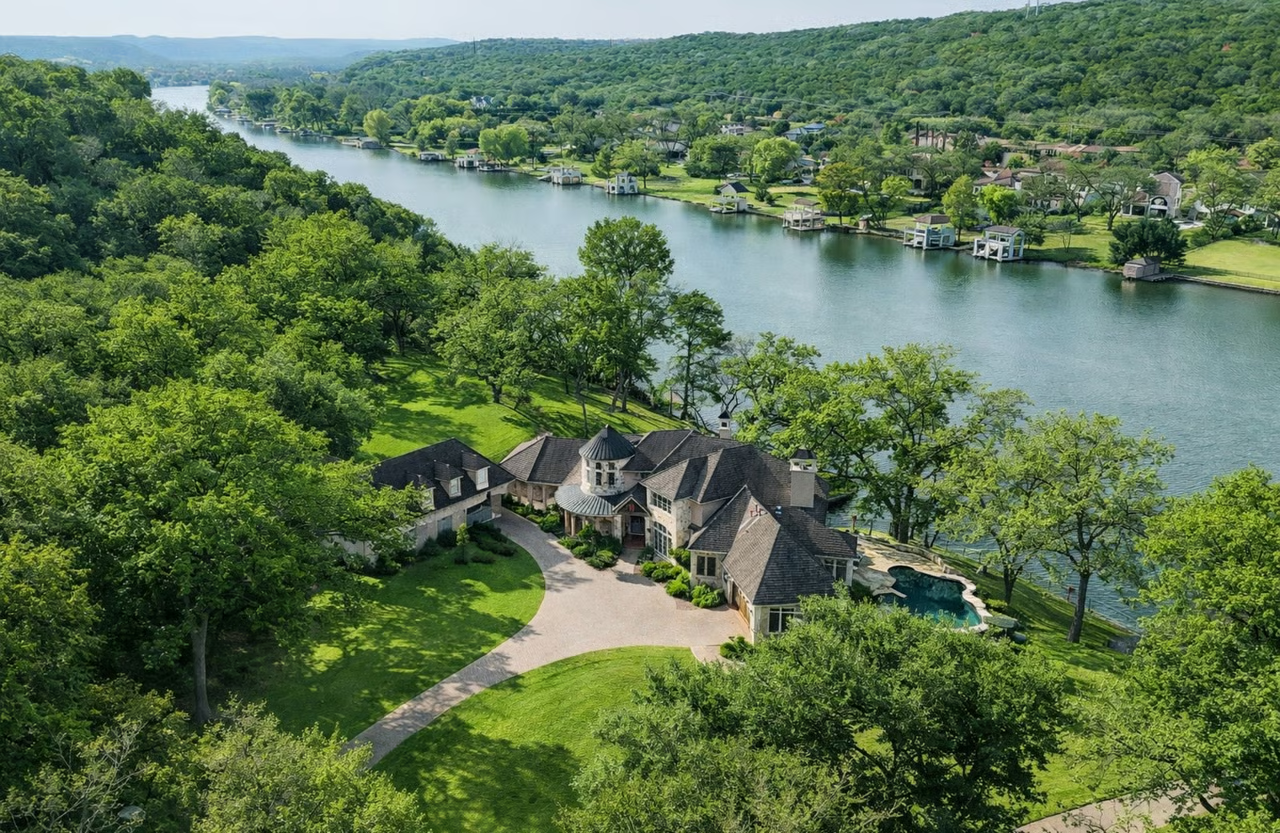
7 Strategies for Buying Waterfront Luxury Homes in Austin
Acquiring waterfront luxury homes in Austin requires more than browsing listings. The best properties on Lake Austin, Lake Travis, and the Colorado River corridor move through private networks before reaching public markets. This guide outlines seven strategies high-net-worth buyers use to gain early access, evaluate critical variables, and compete effectively in one of the country's most sought-after waterfront real estate markets.
2026-06-04 • 14 min read
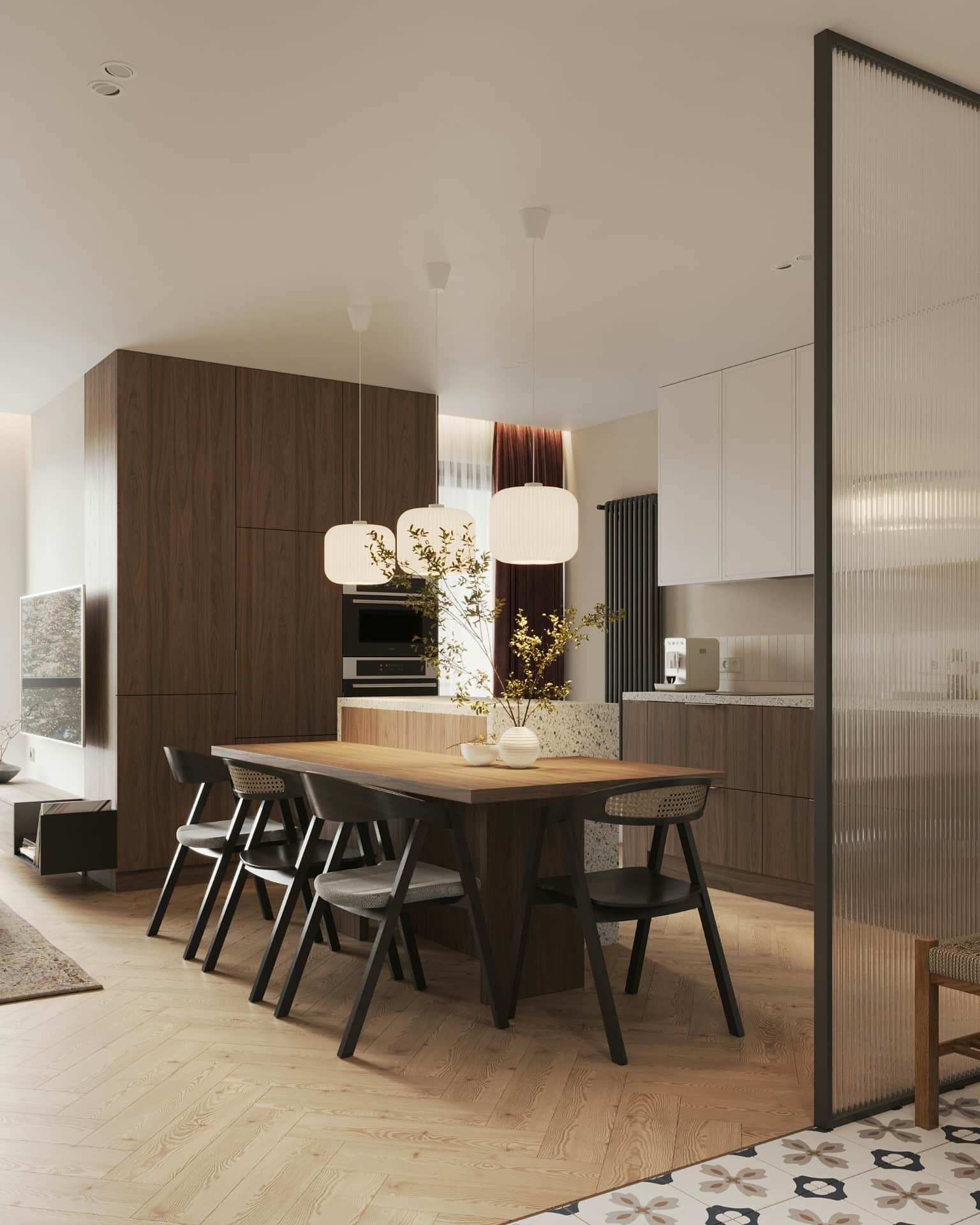
How to Choose the Right Luxury Real Estate Advisor in Austin
A strategic guide for buyers, sellers, and off-market opportunities, how sophisticated clients evaluate Austin luxury real estate advisors and build the right representation before entering the market.
2026-05-20 • 12 min read

Exclusive Austin Properties: Your Complete City Guide
Discover exclusive austin properties in this comprehensive guide to the city's most coveted addresses, top neighborhoods, and luxury real estate insights.
2026-05-14 • 10 min read

Luxury Home Advisor Austin: What Matters
What a luxury home advisor in Austin really does, how strategy, micro-market judgment, off-market access, and selective representation shape outcomes for buyers and sellers in the upper tier.
2026-04-26 • 9 min read