Lake Austin vs Lake Travis Waterfront Homes: Key Differences Buyers Need to Know
Buyers comparing Lake Austin vs Lake Travis waterfront homes will find 13 critical differences, from water level stability and dock ownership rights to commute times, privacy, and long-term investment dynamics, that can determine whether a property truly fits their lifestyle and ownership goals.

An aerial view of Lake Travis waterfront homes and private boat docks. The differences between Lake Austin and Lake Travis go well beyond geography.
Lake Austin and Lake Travis are not two versions of the same waterfront decision. They are two fundamentally different ownership experiences, and the right one depends almost entirely on how you intend to live with the water once you own it.
Lake Austin is a constant-level, urban-adjacent lake with constrained inventory, exceptional school access, and a wake-boating culture built around glassy mornings and evening surf sets. Lake Travis is a vast, view-driven Hill Country reservoir with broader inventory, dramatic open water, and a powerboating and sailing culture that rewards distance from the city. Most buyers know that in outline. The decision gets harder, and more consequential, in the specifics.
This guide is built for that decision. The comparison table immediately below gives you the high-level view at a glance. The sections that follow get into the nuance that actually matters once you are choosing between specific properties, whether you are considering a primary residence in Rob Roy or Westlake, an estate along the Lake Austin waterfront, or a Hill Country property within the broader Lake Travis market.
Lake Austin vs Lake Travis: At a Glance
Current Market Balance: Lake Austin vs Lake Travis
The two readings below pull live data from our market intelligence partner and translate it into a single buyer vs seller balance score for each lake's $2M+ waterfront tier. Read them as directional context for negotiation posture, not as a substitute for a property-specific evaluation.
Water Level Stability
The most consequential difference between the two lakes is what happens to the water when it stops raining. Lake Austin is a constant-level lake, held within a narrow band year-round by Tom Miller Dam and the Mansfield Dam release schedule managed by the Lower Colorado River Authority. The water you see when you tour a property is the water you will see in five years. Docks, boathouses, and shoreline improvements are designed against a stable elevation, and that stability is one of the quiet reasons Lake Austin has historically commanded a premium.
Lake Travis behaves very differently. It is a flood-control and water-supply reservoir, and its level rises and falls with rainfall across the Colorado River basin. Full pool sits at 681 feet above mean sea level, but the lake has spent extended periods well below that during drought cycles. Those swings change everything: how a dock functions, how the shoreline looks, how far the walk down to the water actually is, and how a property photographs. A Lake Travis home that looks spectacular at 680 feet can feel meaningfully different at 640.
That is not a reason to avoid Lake Travis. It is a reason to understand what you are buying. Floating dock systems are the standard for a reason, and any Lake Travis purchase should include a sober review of how the dock and shoreline perform across the full historical range, not just at the level on the day of your tour. LCRA publishes that history. Reviewing it before you make an offer is one of the most useful hours a Lake Travis buyer can spend.
Water Quality and Character of the Water
Beyond level, the water itself feels different. Lake Austin runs cooler and clearer through most of the year because it is essentially a managed segment of the Colorado River, with steady inflow from upstream releases and a relatively short residence time. The water tends to look green-tinted and clean, with visibility that holds up well even in summer. Swimming, paddleboarding, and time spent in the water from a dock are core parts of the daily experience.
Lake Travis varies more. At full pool with healthy rainfall upstream, it can be strikingly clear, with the deep blue-green color that has shaped the lake's reputation. During drought drawdowns or heavy runoff events, clarity drops and the shoreline can take on an exposed, weathered look as previously submerged ground reappears. Algae conditions also vary by year and by cove, particularly in protected fingers of the lake during late summer. None of this is unusual for a Hill Country reservoir, but it is part of the honest picture that buyers should weigh against the lake's many strengths.
For buyers whose mental image of waterfront life centers on swimming off the dock with their family every weekend, Lake Austin's consistency is a real advantage. For buyers who are primarily on the water in a boat, the water-quality differences matter less than the recreational experience the lake supports.
Boating Culture and Wake Surfing
This is where it is worth correcting a common misconception. Lake Austin is not a "no-wake lake." It is a constant-level lake with no-wake zones near bridges, narrow channels, and certain shoreline segments, but the main body of the lake supports full wake-active boating. In practice, Lake Austin is one of the most desirable wake surfing destinations in Texas. The combination of glassy morning water, predictable levels, and the lake's relatively narrow corridor produces clean, repeatable wakes that serious wake surfers and wakeboard families seek out specifically. Boats are sized accordingly. Surf-specific inboards are the dominant fleet on Lake Austin, and the daily rhythm of the lake revolves around early-morning and evening sets when the surface is mirror-flat.
Lake Travis is a different kind of boating environment. The lake's scale, depth, and open water make it ideal for higher-speed powerboating, sailing, and waterskiing across long uninterrupted stretches. Wake surfing happens on Lake Travis too, especially in protected coves and during calm windows, but the lake's character genuinely opens up for boaters who want to run at speed, anchor in a deep cove for the afternoon, or sail an actual sailboat with real wind. Devil's Cove on summer weekends is its own social institution. Lake Travis rewards a different style of boating, and many families specifically choose it for that reason.
Buyers who already own a surf-specific wakeboat and run morning sets gravitate to Lake Austin. Buyers who want a faster, bigger, more open-water experience gravitate to Lake Travis. Neither group is wrong. They are simply optimizing for different days on the water.

The Boat-to-Restaurant Lifestyle
One of the underrated parts of waterfront ownership on either lake is the ability to take the boat to dinner. Both lakes support that lifestyle in their own way.
On Lake Austin, the boat-up scene is concentrated and easy to fold into an ordinary evening. Hula Hut at the foot of Tom Miller Dam, Ski Shores Cafe deeper into the lake, and Mozart's Coffee Roasters across the water all offer dock access or boat tie-ups, with marina-side options at Walsh Landing and the Loop 360 corridor expanding the rotation. A summer evening on Lake Austin often looks like a slow cruise to one of those spots, a meal on a deck over the water, and a glassy ride back as the wakeboat traffic dies down. The intimacy of the lake makes this an everyday rhythm rather than an occasional outing.
On Lake Travis, the equivalent experience is bigger and more destination-oriented. The Oasis on the cliff, Carlos'n Charlie's, Iguana Grill, and the restaurants at Rough Hollow's Lakeway Marina and Lakeway Resort give boaters places to land for lunch or sunset. Hudson's on the Bend, while not technically lakefront, is part of the same dining ecosystem. Devil's Cove and Starnes Island serve as floating social anchors on summer weekends, where boaters raft up and spend the afternoon. The boat-to-restaurant lifestyle on Lake Travis tends to involve longer rides and bigger gatherings, which fits the lake's overall personality.
Either lake supports a real boat-up dining culture. The difference is one of scale and tempo, not of presence.
Waterfront Inventory and Off-Market Prevalence on Lake Austin
The supply realities on the two lakes are very different, and they shape negotiation dynamics, timing, and what buyers can realistically expect.
Lake Travis has more than 270 miles of shoreline and a deep, varied inventory across Lago Vista, Jonestown, The Hollows, Rough Hollow, Steiner Ranch, Costa Bella, The Reserve at Lake Travis, Travis Club, and Lakecliff. Buyers generally have multiple active waterfront listings to compare at most price points, and there is room to be patient and selective. On Lake Travis, the MLS captures a reasonably complete picture of what is actively for sale at any given moment.
Lake Austin is structurally constrained, with roughly 21 miles of shoreline and a relatively small number of true waterfront parcels. Inventory is thin, and the public MLS is not a reliable picture of what is genuinely available. A meaningful share of Lake Austin transactions, particularly above certain price points, happen off-market through advisor relationships, before the property is ever publicly listed. Owners along the Davenport Ranch waterfront, in Rob Roy, along the Watersedge and Bridge Point corridors, and in the more discreet stretches of Tarrytown often prefer a private process to preserve privacy, control who tours the home, and avoid a public price record. Buyers who limit themselves to MLS searches in this market are, by definition, working from an incomplete view of available inventory.
That dynamic is one of the most important practical differences between the two lakes. On Lake Travis, the right representation helps you choose well from a visible inventory. On Lake Austin, the right representation often determines whether you see the right opportunities at all.
Pricing and Entry Points
Lake Austin waterfront sits among the most expensive waterfront real estate in Texas. Constrained supply, urban proximity, stable water, and access to Eanes ISD all contribute to a premium that has held up across cycles. Entry-level true waterfront on Lake Austin is not inexpensive, and the upper end of the market includes some of the highest-priced residential properties in the state. For a deeper view of what specifically drives pricing along the corridor, our guide on pricing luxury homes in Austin walks through the valuation framework we use on waterfront acquisitions.
Lake Travis offers a meaningfully broader range. Lago Vista, Jonestown, and Apache Shores on the south shore have historically been the most accessible entry points to waterfront and water-access ownership in the Austin area. Mid-tier communities like Rough Hollow and Steiner Ranch carry a higher floor but remain well below comparable Lake Austin pricing. At the upper end, Costa Bella, The Reserve at Lake Travis, Travis Club, and Lakecliff estates can approach Lake Austin numbers on premium lots with significant acreage and open water views.
What buyers often miss is that the two lakes are not pricing the same product. Lake Austin pricing reflects scarcity, stability, and urban convenience. Lake Travis pricing reflects scale, view, acreage, and a different lifestyle proposition. A buyer who simply compares price per square foot or dollars per linear foot of waterfront without accounting for those structural differences usually draws the wrong conclusion about value.
Waterfront Lot Depth and Shoreline Usability
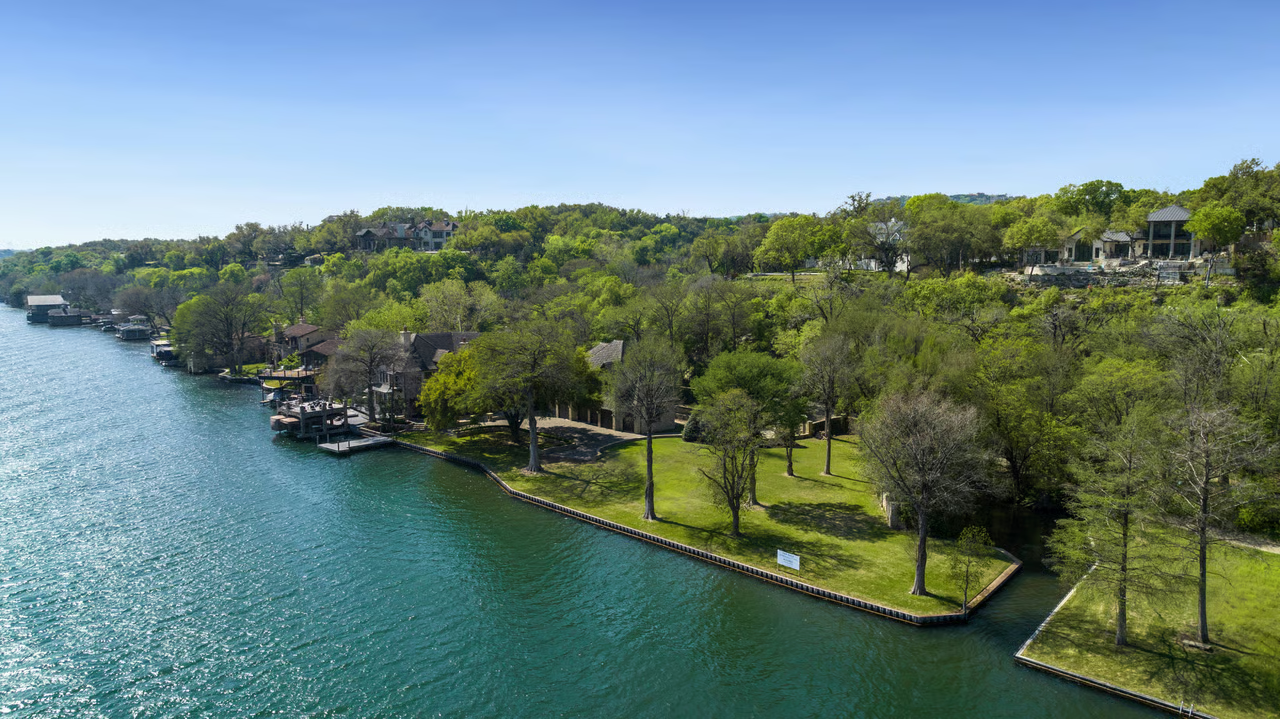
One of the most underweighted variables in any waterfront purchase is the actual usability of the lot itself. Two homes with similar list prices and similar waterfront footage can offer dramatically different ownership experiences depending on lot depth, grade, and shoreline character.
On Lake Austin, the constrained corridor means that lot depth is often modest, and the relationship between the house and the water is intimate. Many of the best Lake Austin properties sit close to the shoreline, with terraced lawns, infinity pools, and direct walk-down access to a dock. The water is right there. The tradeoff is that some lots have limited grade between house and lake, and a meaningful share of the shoreline is bulkheaded rather than natural. Bulkhead condition, dock orientation, and any cove or canal placement matter enormously to long-term enjoyment and resale.
On Lake Travis, lots tend to be deeper, with more acreage and more vertical drop between the house and the waterline. That produces the dramatic elevated views the lake is known for, but it also produces a different relationship with the water. A 60-foot drop from the back patio to the dock is visually spectacular and functionally meaningful, especially for families with younger children or older parents. Tram systems are common on the steeper Lake Travis lots for a reason. Buyers should walk the full route from house to dock at any property they are seriously considering, in both directions, and think honestly about what that route looks like on a hot July afternoon.
The most desirable lots on either lake are the ones where the geometry simply works: the house, the lawn or terraces, the shoreline, and the dock all relate to each other in a way that feels effortless. Those properties are rare on both lakes and command a premium accordingly.
Dock Ownership, Permitting, and Boat Access
Both Lake Austin and Lake Travis require LCRA permits for docks and boathouses, and on both lakes the existence of a properly permitted dock is a real asset that should be reflected in price. The mechanics differ in important ways.
On Lake Austin, dock permitting is constrained by the narrowness of the corridor, design and size restrictions, and the proximity of neighboring docks. New dock permits are not always straightforward, and existing permitted boathouses, particularly larger covered slips with lifts, are genuinely difficult to replicate today. A Lake Austin property with a strong, properly permitted boathouse carries value that a property without one cannot quickly match, regardless of how much the buyer is willing to invest. This is one of the key dock premiums unique to Lake Austin.
On Lake Travis, dock design must accommodate the lake's fluctuation range. Floating systems are standard, with articulated gangways that adjust as the lake rises and falls. Engineering quality varies widely. Some floating docks are exceptional and perform across the full historical level range. Others were built for a narrower range and have aged poorly. Any Lake Travis purchase should include a specialist evaluation of the dock system, the bracketry, the anchoring, and the realistic remaining life of the structure.
In both cases, verify the LCRA permit is current and transferable before closing. A dock that was built without a valid permit, or whose permit has lapsed, can become an expensive problem after the transaction.
Commute to Downtown Austin
Waterfront living sounds idyllic until you spend it sitting in traffic. Commute time is one of the most practical and often underweighted factors in the decision, especially for buyers planning a primary residence.
Lake Austin properties, particularly those in Tarrytown, Westlake Hills, and Rob Roy, sit roughly 15 to 25 minutes from downtown under normal conditions. That proximity is a genuine quality-of-life advantage for buyers who work in the city, run children to school in Eanes ISD or central Austin private schools, and want urban access without a daily expedition.
Lake Travis varies considerably. Steiner Ranch on the eastern end runs roughly 30 to 40 minutes to downtown depending on traffic. Lakeway and the Rough Hollow area are similar. Move further out to Jonestown, Lago Vista, or The Hollows on the north shore, and you are looking at 45 to 60-plus minutes each way during peak hours. The 183A and RM 620 corridors that serve those communities can experience significant congestion, and the cumulative weekly commute time adds up faster than buyers initially expect.
For full-time remote workers and second-home buyers, this matters less. For families with daily downtown obligations, it matters a great deal.
Privacy, Exclusivity, and Community Atmosphere
Lake Austin has a quieter, more residential character overall. Limited public access points, the relatively contained corridor, and the established residential context create an environment that feels private even outside gated enclaves. Rob Roy is gated and exclusive. Tarrytown, Davenport Ranch, and Westlake properties along Lake Austin attract established Austin families who value the combination of urban proximity and a calm shoreline. The boat traffic on Lake Austin is real but generally locally oriented and rhythmic, with mornings and evenings dominated by surf sets and middays quieter than most buyers expect.
Lake Travis covers a wider spectrum. Travis Club and The Reserve at Lake Travis are private, gated estate communities with a distinctly exclusive atmosphere. Costa Bella offers a similarly gated, view-driven environment on the south shore. Rough Hollow is more amenity-driven, with a marina, yacht club, and active social calendar. Jonestown, Lago Vista, and Apache Shores have a more casual, independent character. The Hollows offers a resort-style environment with a different rhythm again. On summer weekends, Lake Travis itself is genuinely busy, and the parts of the lake closest to popular coves can feel very active. Buyers should visit any community they are considering on a peak summer Saturday to understand what the lake actually feels like at its loudest.
Primary Residence vs Second Home Suitability
The intended use of the property shapes nearly every other decision. Both lakes can work for either purpose, but each has a natural fit.
Lake Austin's urban proximity, access to Eanes ISD, and integration into the broader fabric of central Austin make it a natural primary-residence choice. Families who want waterfront living without giving up daily access to Austin's schools, medical care, restaurants, and professional networks tend to settle along Lake Austin. The lake becomes part of daily life rather than an escape from it.
Lake Travis has historically skewed toward second homes and weekend properties, particularly in the communities further from the urban core. Steiner Ranch and portions of Lakeway have developed into legitimate primary-residence communities with the schools, retail, and services to support full-time living. The further north and west you go on Lake Travis, the more the property functions as a retreat. Carrying costs on a second home, including HOA dues, dock maintenance, insurance, and property management, are real and ongoing, and they should be modeled honestly before purchase.
Schools: Public Districts and Private School Access from Lake Austin
For families with school-age children, school access is often the single largest factor in the decision, and the two lakes serve fundamentally different school environments.
Lake Austin properties in Westlake, Rob Roy, Davenport Ranch, and West Austin sit inside Eanes ISD, consistently one of the top-rated public districts in Texas, with Westlake High School as the flagship. Lake Austin also offers unusually strong private school access. From most Lake Austin addresses, families can reach St. Andrew's Episcopal School, St. Stephen's Episcopal School, Regents School of Austin, Hyde Park Schools, St. Michael's Catholic Academy, and Headwaters School within a reasonable morning commute. That breadth of private-school optionality is rare in Austin waterfront real estate and is one of the quieter reasons Lake Austin holds its premium with families who prioritize education choice.
Lake Travis communities are served primarily by Lake Travis ISD, which is itself a strong and well-regarded district, with Lake Travis High School as the anchor. Lago Vista and Jonestown fall within Lago Vista ISD. Private school access from Lake Travis is meaningfully more limited, particularly from the further-out communities. A daily private school commute from Jonestown or The Hollows into central Austin is not realistic for most families.
For families whose education plan depends specifically on a central Austin private school, Lake Austin is often the only realistic waterfront option. For families committed to strong public schools and a more suburban context, Lake Travis ISD communities are an excellent fit.
Short-Term Rental Considerations
Some buyers plan to offset ownership costs through short-term rentals when the property is not in personal use. The regulatory landscape differs significantly between the two lakes, and buyers should build an accurate picture before counting on STR income.
Lake Austin properties often fall within Austin city limits or Westlake Hills, where short-term rental rules are more restrictive. The City of Austin has implemented STR regulations that limit non-owner-occupied rentals in many residential zones, and Westlake has its own framework. Buyers planning to rent a Lake Austin property should verify the specific property's STR eligibility before closing, not after.
Lake Travis communities outside city limits have historically operated under more permissive frameworks. Properties in unincorporated Travis County or in smaller municipalities like Jonestown and Lago Vista have had more flexibility. HOA restrictions, however, are independent of municipal rules, and many gated communities prohibit short-term rentals regardless of what local ordinances allow. STR rules across Texas have also been evolving. What is permissible today may not be in three years, and that regulatory risk should be priced into any STR-dependent investment thesis.
Investment Performance and Long-Term Appreciation
Lake Austin's constrained supply, urban proximity, and stable water have historically supported strong, consistent appreciation. When inventory is structurally limited and demand from high-net-worth Austin buyers remains steady, values tend to hold and grow over long horizons. The lake's constant level also removes a key variable that can soften reservoir markets during drought cycles.
Lake Travis appreciation is more variable and location-dependent. Properties in established communities like Steiner Ranch, Rough Hollow, and Costa Bella have generally performed well. Properties in more remote locations or those visibly affected by extended drought have shown more sensitivity to external conditions, and buyer perception of Lake Travis during severe drought periods has historically softened demand. That sentiment cycle is a real consideration that Lake Austin buyers do not face in the same way.
Off-market acquisitions on Lake Austin, when executed well, can offer meaningful value relative to publicly marketed properties. Transactions handled quietly through advisor relationships sometimes reflect less competitive pricing, particularly when sellers prioritize discretion and certainty of close over maximum exposure. Our waterfront buying strategy notes on private inventory go deeper into how those transactions actually come together.
Views, Scenery, and the View Premium on Lake Travis
The two lakes offer fundamentally different visual experiences. Lake Austin is intimate, tree-lined, and contained. The banks are close, the water is calm, and the surrounding landscape is lush and verdant. Views are beautiful but framed rather than expansive. You are looking across a relatively narrow body of water at wooded hillsides and established homes. The setting feels private and residential.
Lake Travis is the opposite kind of view. Open water stretches and Hill Country ridgelines frame the horizon. Sunsets from an elevated lot at Travis Club, The Reserve at Lake Travis, or Costa Bella are among the more dramatic residential views available in the Austin region. The scale of the lake creates a sense of openness that Lake Austin simply cannot match.
That difference creates two distinct value premiums. On Lake Travis, the view premium is real and significant. Elevated lots with long water views and Hill Country backdrop trade at meaningful premiums over shoreline-level or interior lots in the same community. The view is often what the buyer is paying for, and the premium reflects that. On Lake Austin, the dock premium is the equivalent dynamic. Properties with strong, properly permitted boathouses and well-configured waterfront edges trade at premiums that interior or weaker-waterfront Lake Austin properties cannot match. Buyers should understand which premium they are paying for and whether the specific property actually delivers it.
Luxury Estate Opportunities
At the top of either market, buyers have specific requirements around scale, privacy, and setting that not every community can satisfy.
Lake Austin's highest-end estates concentrate in Rob Roy and Westlake, with significant properties along the Davenport Ranch waterfront and the established Watersedge and Bridge Point corridors that anchor some of the most discreet trophy properties on the lake. These estates combine waterfront with urban proximity, Eanes ISD, central-Austin private school access, and the prestige of established West Austin addresses. Many of the most significant Lake Austin transactions never appear publicly. Owners often sell to vetted buyers introduced through advisor networks specifically to avoid the disruption of a public marketing process. Buyers in this segment who rely on MLS searches alone consistently miss the most compelling opportunities. Our off-market properties practice is built around exactly this kind of access.
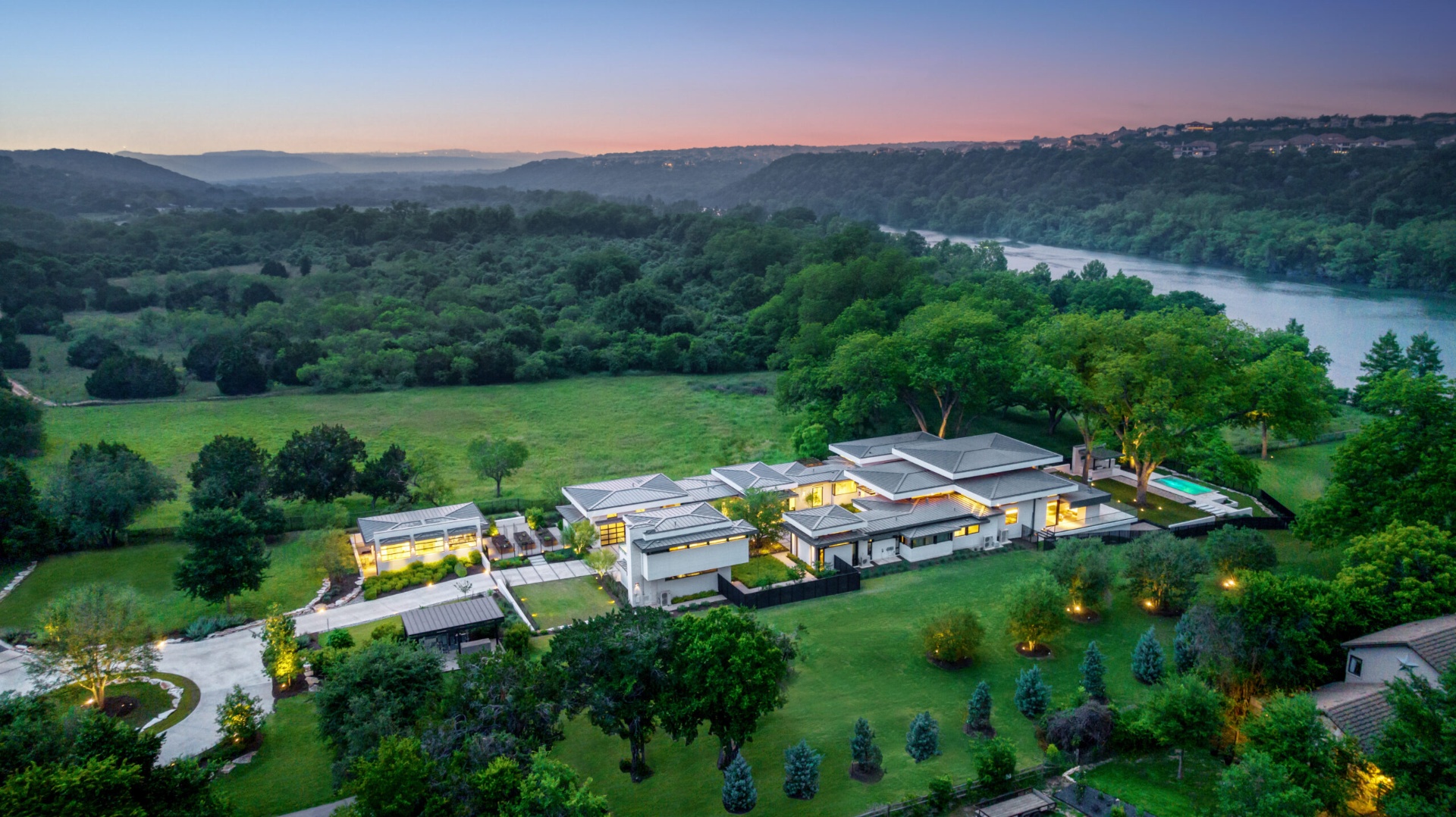
Lake Travis luxury estates at The Reserve at Lake Travis, Costa Bella, Travis Club, and Lakecliff rival Lake Austin properties in scale and finish. The differentiators are acreage, Hill Country setting, and open water views. The Reserve and Costa Bella in particular have become the reference points for view-driven trophy buyers who want gated security with genuine open-water exposure. Buyers who want more land, more visual drama, and a more secluded environment often find Lake Travis's top-tier communities more compelling than Lake Austin at comparable price points. The tradeoff is distance from the city.
At the luxury tier on either lake, off-market access is not optional. Working with an advisor who has established relationships in these specific communities, rather than one relying primarily on public listing data, is what gives serious buyers a real chance at the right property.
How to Choose
The right lake comes down to four honest questions.
How do you actually plan to use the water? If your boating life centers on surf sets and wakeboarding and you want glassy mornings out your back door, Lake Austin is the right answer. If you want open water, room to run, sailing, and big-cove afternoons, Lake Travis fits better. This is the single most determinative question and the hardest to compromise on once you own the property.
Is this a primary residence or a second home? Primary-residence buyers with school-age children, daily downtown commitments, and strong ties to central Austin generally find Lake Austin more practical. Second-home buyers who value open water, acreage, and a Hill Country setting often find Lake Travis more satisfying. The exceptions exist, but the framework holds for most buyers.
What is your commute and school tolerance? If you need to be in Austin most days and care about specific private-school access, Lake Austin's proximity is a real advantage. If you work remotely or visit Austin occasionally and your school plan fits Lake Travis ISD, Lake Travis's value proposition becomes more compelling.
What is your investment horizon? Lake Austin's constrained supply and urban proximity have historically produced more stable, consistent appreciation. Lake Travis offers more variability, with strong upside in the right communities and more exposure to drought-cycle sentiment and location-specific risk. Long-term holders on either lake have generally done well. Shorter-term buyers should be more selective about location on Lake Travis.
Putting It All Together
These are not interchangeable options with cosmetic differences. Lake Austin and Lake Travis serve different buyers with different priorities.
Lake Austin rewards buyers who want urban proximity, stable water and water quality year-round, a serious wake-boating culture, exceptional school access both public and private, and entry into one of Austin's most constrained and historically resilient real estate markets. The premium is real, and so is the rationale behind it.
Lake Travis rewards buyers who want open water, more property for the dollar, dramatic Hill Country views, and the freedom to run a powerboat, sail, or anchor in a deep cove for the afternoon. The broader inventory gives buyers more room to find the right fit, and the right communities have delivered strong long-term ownership experiences.
Neither lake is objectively better. The decision comes down to your daily life, your boating preferences, your school plan, your commute tolerance, and your long-term ownership goals. Buyers who optimize for the wrong factors end up with a beautiful property that does not actually fit how they live.
If you are evaluating waterfront on either lake, the most important step is working with an advisor who understands both markets, has access to off-market inventory, and can give you an honest read on a specific property's value drivers before you commit. That guidance matters most at the luxury tier, where the most significant opportunities rarely appear on public platforms.
Echelon Property Group advises buyers on waterfront acquisitions across both Lake Austin and Lake Travis. Reach out to discuss your priorities and get a clearer picture of what is actually available. Learn more about our services.
Continue Exploring
Three places to go from here

ABOUT THE AUTHOR
Taylor Sherwood
Austin Real Estate Advisor · Echelon Property Group
Taylor Sherwood is a Certified Luxury Home Marketing Specialist (CLHMS) and top-performing Austin real estate advisor. He specializes in luxury residential properties, land development, commercial real estate, and investment property across Austin and the Texas Hill Country. With deep market expertise and a results-driven approach, Taylor helps buyers, sellers, and investors navigate Austin's most competitive real estate segments.
Related Reading

8 Strategies to Buy a Home in Austin's Buyer's Market (Mid-2026 Edition)
Austin has shifted to a buyer's market with 5.3 months of inventory and homes closing 3-4% under list. Eight tactics for negotiating price, structuring seller-paid rate buydowns, using contingencies as leverage, and targeting stale listings while mortgage rates hover near 6.5%.
2026-06-21 • 16 min read

How to Buy a Luxury Home in Austin: 9 Insider Strategies for High-End Buyers
Nine Austin-specific strategies for buying a high-end home above $2M, from neighborhood-by-neighborhood market realities and Lake Austin waterfront nuance to off-market access, pricing logic, and relocation considerations most national guides miss.
2026-06-01 • 20 min read
7 Proven Strategies to Find the Best Luxury Real Estate Agents in Austin
Discover the best luxury real estate agents austin buyers trust. These 7 proven strategies help you find top experts for $2M+ luxury properties today.
2026-05-15 • 12 min read

How to Access Exclusive Home Inventory
How sophisticated buyers actually access exclusive and off-market home inventory in Austin, why the best properties trade quietly, what separates real access from noise, and how to position yourself to see the right homes early.
2026-05-14 • 8 min read