How to Buy a Luxury Home in Austin: 9 Insider Strategies for High-End Buyers
Nine Austin-specific strategies for buying a high-end home above $2M, from neighborhood-by-neighborhood market realities and Lake Austin waterfront nuance to off-market access, pricing logic, and relocation considerations most national guides miss.

Buying a luxury home in Austin is less about searching listings and more about understanding how the city's high-end market works. Many of the best Austin luxury homes trade through private networks before they ever reach Zillow or Realtor.com. The buyers who acquire them typically learned how Austin works before they started touring. This guide walks through nine Austin-specific strategies, from neighborhood-by-neighborhood pricing logic to Lake Austin waterfront nuance, relocation realities, and the off-market channels where the most desirable properties tend to surface.
Austin's upper tier of the residential market operates differently than most buyers expect. Properties priced above $2 million move through channels that aren't always visible on public listing platforms, and the buyers who succeed are typically those who understand how that market works before they start looking.
This guide is for buyers who are serious about acquiring a high-quality home in Austin, whether that's a waterfront property on Lake Austin, an architecturally significant residence in Tarrytown or West Lake Hills, or a newer build in a gated community like Barton Creek or Spanish Oaks. The strategies here reflect how the Austin luxury market functions, not how most people assume it does.
Each strategy addresses a specific decision point upscale buyers routinely face. Some are about access. Others are about pricing logic and neighborhood selection. A few are about avoiding the mistakes that cost buyers time, money, or the right property entirely.
If you're relocating from California, New York, Chicago, Seattle, or Florida, Austin's high-end segment has its own dynamics. Pricing logic, neighborhood prestige, school district premiums, and what drives long-term value here don't mirror what you've experienced elsewhere. Understanding those nuances is the first real advantage you can build before you tour a single property. If a move is in front of you, our relocation guide to Austin covers the broader logistics in detail.
1. Start With Neighborhoods, Not Listings
The Challenge It Solves
Most upscale buyers begin by browsing listings before they've established which Austin submarkets align with their priorities. The result is a scattered search that wastes time and often leads to compromised decisions. At this price point, neighborhood selection isn't a preference question. It's the foundational decision that shapes value, lifestyle, and long-term appreciation.
How Austin's Core Luxury Submarkets Differ
Austin's luxury corridors each have distinct identities, value drivers, and long-term trajectories. They are not interchangeable, and the same dollar buys a very different home depending on where you spend it.
Tarrytown and Pemberton Heights are inside-the-loop neighborhoods west of MoPac. Here, proximity to downtown, Lady Bird Lake, and Casis Elementary often commands a higher premium than lot size. Many of the most desirable properties sit on lots between a quarter and half an acre, and buyers consistently pay a premium for walkability, mature tree canopy, and architectural character over raw square footage or land. Our deep dive into Pemberton Heights and the best neighborhoods for luxury homes in Austin covers the value logic in more detail.
West Lake Hills and Rollingwood, both inside the 78746 zip code, sit in Eanes ISD. The school district itself is a primary value driver. Families pay premiums to be inside the boundary, and resale performance reflects that. Rollingwood is closer in and walkable; West Lake Hills offers larger lots, more elevation, and more privacy. The two read similarly to outsiders but behave like distinct submarkets.
Barton Creek is gated, country-club-adjacent, and oriented around privacy, golf, and Hill Country views. Lot sizes are larger, the build vintage skews newer, and buyers tend to prioritize amenities and security over walkability. Commute to downtown is much longer than Tarrytown or Rollingwood.
Spanish Oaks is the equivalent quieter alternative to the southwest, gated and view-oriented, with newer high-end construction and a Bee Cave / Lakeway access pattern rather than a downtown one.
Lake Austin waterfront is a category of its own. It does not compare cleanly to any of the above; we treat it as a separate strategy below.
How Priorities Should Drive the Decision
Before you look at a single listing, get clear on what matters most: school district, commute, lot size, privacy, walkability, view, or long-term appreciation. These factors don't all point to the same neighborhood, and Austin's submarkets reward different priorities differently. A buyer who values walkability and downtown access will be frustrated in Barton Creek. A family prioritizing Eanes ISD and a larger lot will find Pemberton Heights tight. Commute patterns are also real: Barton Creek and Spanish Oaks add 20–30 minutes versus Tarrytown during weekday peaks, and Lakeway adds more.
Spend time in each neighborhood at different times of day before committing to a search focus. Traffic, noise, sound from the lake or the highway, and community feel are difficult to assess from a map. Start with our communities overview to compare submarkets side by side.
Pro Tips
Don't assume the most expensive neighborhood is the right one for your situation. Eanes ISD commands a premium for good reason, but if schools aren't a factor, other submarkets often offer better value per dollar in the same price range. The right neighborhood for your priorities is the one that holds value for the reasons that matter to you.
2. Go Beyond the MLS to Find the Best Properties
The Challenge It Solves
If your search starts and ends on Zillow or Realtor.com, you are working with an incomplete picture of available inventory. In Austin's upper tier, many transactions happen before a property ever reaches a public platform. Buyers who rely exclusively on the MLS are competing for a subset of the market, usually the most heavily exposed and most heavily negotiated subset.
How Austin's Private Inventory Channels Actually Work
Sellers of high-profile properties in Austin often prefer limited public exposure. The reasons are practical: they want to control who tours their home, avoid open houses and public foot traffic, protect their privacy, and avoid the price-drop optics that come with a public listing that lingers. The result is a layered network of off-market and pre-market inventory that moves through specific channels.
Private agent networks. A small group of Austin luxury agents represent the majority of $5M+ listings and consistently work the same buyer pool. Many properties are previewed, shown, and traded inside that network before they ever appear publicly. You are not on that list unless your advisor is.
Pre-market quiet exposure. Many homes that eventually list publicly are circulated quietly for two to six weeks first. Sellers test interest, refine pricing, and often transact during this window. Buyers who see these properties early often acquire them without competing bids.
Estate sales and life-transition properties. Divorces, inheritances, generational transfers, and relocation-driven sales frequently move through private channels because the seller does not want the disruption of public marketing. These can represent some of the best long-term value in the market.
Truly private inventory. A subset of homes is never publicly available and only trades when the right buyer is introduced. Our private opportunities channel exists specifically for this segment.
How to Get In
Accessing this inventory requires being connected to an advisor who is an active participant in those networks, not an observer of them. It also means being a credible, ready buyer. Sellers and listing agents are selective about who they bring into a private showing. Proof of funds, a clearly defined search, and a reputation for moving decisively all matter. Vague or casual buyers do not get called first.
For a closer look at how this works in practice, see our overview of how luxury buyers in Austin find properties beyond Zillow and our explainer on what defines a private listing.
Pro Tips
Austin's off-market ecosystem is relationship-driven. It rewards buyers who are prepared, specific, and easy to work with. If you're touring properties casually or haven't committed to an advisor, you are unlikely to see the best inventory. The access tends to follow the commitment, not the other way around.
3. Understand What Actually Drives Luxury Pricing in Austin
The Challenge It Solves
Automated valuation tools are unreliable in this segment. Zillow's Zestimate and similar platforms are calibrated on high-volume transaction data, which does not exist at the upper end. Buyers who rely on these tools walk into negotiations with a distorted sense of value in both directions.
Why Price Per Square Foot Often Fails Here
Price per square foot is a useful shorthand in commodity markets. In Austin's luxury tier, it is often misleading. Two homes on the same Tarrytown street with similar square footage can vary by a million dollars or more based on lot orientation, finish quality, architectural significance, view, and access to water. None of those factors show up cleanly in an automated model.
A 4,500 sq ft house on a flat half-acre lot off Exposition with a north-facing backyard prices very differently than a 4,500 sq ft house one street over on a downtown-facing rise with mature oaks. A Barton Creek property with a protected Hill Country view trades at a premium to an otherwise identical home whose view could be obstructed by future construction. These are the variables that affect price in Austin, and they require interpretation rather than calculation.
Austin-Specific Value Drivers
Several factors consistently move prices above or below where a square-foot model would land them:
- Eanes ISD premium. Properties inside the Eanes boundary trade at a measurable premium over comparable homes in adjacent districts. The premium is real, persistent, and one of the more reliable signals in the market.
- Lake Austin waterfront. Premiums tied to water access, dock quality, lot orientation relative to the sun and channel, and constant-level frontage. See the next strategy for the detail.
- Protected Hill Country views. Views that cannot be built out because of topography, conservation easements, or HOA restrictions, command a premium that views without that protection do not.
- Lot usability vs. raw acreage. In the Hill Country, two acres of flat usable land can be worth more than five acres of steep, unbuildable terrain. Buyers from flatter markets routinely overpay for acreage that is mostly slope.
- Architectural significance. Mid-century and custom-designed homes in Tarrytown, Rollingwood, and Barton Creek by recognized Austin architects carry premiums that generic builder homes do not.
- Walkability. Proximity to South Congress, downtown, Lady Bird Lake, or the Tarrytown commercial corridor adds value that no acreage-driven model captures.
Our companion piece on how to price a luxury home in Austin goes deeper on the comp-selection logic and the specific factors that shape value across the city's top submarkets.
Implementation Steps
- 01Ask your advisor for a detailed comparable sales analysis, not an automated estimate. Comps at this level require interpretation, not just calculation.
- 02Evaluate each property on its specific attributes: lot orientation, view permanence, school boundary, architectural character, and condition of major systems.
- 03When comparable sales are thin, which is common above $3M, look at price trends within the submarket over the past 12 to 18 months and at absorption rate for similar properties. Context matters more than a single data point.
Pro Tips
Be cautious about anchoring too heavily on list price. In Austin's luxury tier, pricing is often strategic rather than purely data-driven. A property may be priced to attract a specific buyer profile, to test the market, or to leave deliberate negotiating room. Understanding the seller's motivation and the pricing logic behind a specific listing is often more useful than the number itself.
4. Understand Lake Austin Waterfront Before You Buy
The Challenge It Solves
Lake Austin waterfront is the single most misunderstood segment of Austin's luxury market. Buyers, particularly those relocating from coastal markets, often treat waterfront properties as variations on a standard luxury home with a better view. They are not. Waterfront is a specialized category with its own value drivers, risks, and acquisition logic, and the buyers who treat it that way consistently outperform those who don't.
Main Body vs. Canal Waterfront
Lake Austin is a long, narrow constant-level lake on the Colorado River. "Waterfront" is not a single thing. Main body frontage, directly on the wider sections of the lake, carries the highest premium. Canal or cove frontage, especially in narrower side channels, trades at a discount that varies with how usable the water is. Some coves are calm, deep, and ideal. Others are shallow, weedy, or congested with neighboring docks. Two homes with identical waterfront footage can have very different actual values depending on which section of the lake they sit on.
Dock Quality, Permitting, and Constant-Level Advantages
A dock is not a dock. Permitted vs. unpermitted, two-slip vs. four-slip, covered vs. uncovered, with or without a lift, in good repair vs. needing replacement. These are significant dollar differences. Lake Austin dock permits run through the LCRA and the City of Austin, and not every existing structure is fully permitted. Buyers should verify dock permits in writing as part of due diligence. Replacing or expanding a non-conforming dock can be expensive and is not always approved.
The flip side: because Lake Austin is constant-level (unlike Lake Travis, which fluctuates dramatically), the value of waterfront and dock infrastructure is far more stable. A Lake Austin dock is usable year-round, every year, regardless of drought. This is a structural advantage worth understanding. See our comparison of Lake Austin vs. Lake Travis for the detail.
Sun Orientation, Boat Traffic, and Privacy
East-facing lots get morning sun on the water and are typically cooler in the afternoon, preferred by most buyers in Austin's climate. West-facing lots offer sunset views from the dock but bake in late-day Texas heat. South-facing lots stay warmer year-round, which matters if you swim. None of this is obvious from a listing photo.
Boat traffic varies dramatically by section. Areas near 360, the dam, or the marinas see heavier weekend wake. Quieter coves and stretches further upriver are calmer. Tour a property on a Saturday afternoon, not just a Tuesday morning, before forming an opinion.
Privacy on Lake Austin is partly about the lot and partly about the neighbors. A property with a large setback, mature vegetation, and natural topography reads very differently from a neighboring home than one on a flat, open lot. Boat-side privacy, what passing boats can see, is also a real consideration.
Floodplain, Setbacks, and What You Can and Cannot Build
Some Lake Austin lots sit partially in the 100-year floodplain. This affects insurance, future renovation scope, and what can be rebuilt if a structure is damaged. Setbacks from the waterline vary by jurisdiction and are sometimes more restrictive than buyers expect. A lot that looks like it could accommodate a future addition or pool may not, once setbacks, slope, and impervious-cover limits are factored in.
For waterfront specifically, we strongly recommend a thorough survey, floodplain review, and dock-permit verification as part of due diligence. Our Lake Austin waterfront pricing analysis and our Lake Austin luxury market overview go deeper on what drives value and what to verify before going under contract.
Pro Tips
Waterfront pricing on Lake Austin is highly idiosyncratic. Comparable sales analysis requires more interpretation than in any other Austin submarket. Water access, dock quality, lot orientation, and section of the lake all matter independently. A property's headline waterfront footage is one of the least useful single metrics. Evaluate the whole picture.
5. Structure Your Offer to Win Without Overpaying
The Challenge It Solves
Many buyers assume that winning a luxury property comes down to offering the highest price. In practice, sellers of upscale Austin homes are often more motivated by certainty, timeline, and buyer credibility than by a marginally higher number. Buyers who understand this can compete effectively without overpaying.
The Strategy Explained
At this level, sellers are often not under financial pressure. They can afford to wait for the right buyer. What they want is a clean transaction with a credible buyer who will not create problems mid-contract. An offer that signals strength, certainty, and professionalism often resonates more than one that simply leads on price.
Terms matter significantly. A shorter inspection period, a flexible closing timeline that works for the seller, a meaningful earnest money deposit, and a clear demonstration of financial readiness all contribute to offer quality. Contingency strategy is also important: knowing when to waive, limit, or thoughtfully structure contingencies can be the difference between winning and losing a property.
Comparable sales are often thin in this segment, which creates both risk and opportunity. When data is limited, the framing of your offer, and the rationale you provide, can influence how it is received. A well-constructed offer letter from your advisor, explaining your position and intent, can carry real weight with a seller evaluating more than just the number.
Implementation Steps
- 01Review the seller's situation with your advisor before structuring your offer: days on market, prior price reductions, any known timeline pressures, and likely priorities.
- 02Determine your contingency strategy in advance. Decide which contingencies are non-negotiable for your risk tolerance and which can be modified to strengthen the offer.
- 03Lead with a substantial earnest money deposit. At this price point, a meaningful deposit signals commitment and reduces the seller's perceived risk.
Pro Tips
Don't treat a luxury offer like a commodity transaction. The personal and strategic dimensions matter more than most buyers realize. Your advisor's relationship with the listing agent, and how your offer is presented and communicated, can influence the seller's perception before they even read the numbers.
6. Use Private Showings and Discreet Access Strategically
The Challenge It Solves
How a buyer approaches a private showing on a high-profile property sends signals to the seller, to their agent, and to the listing side of the transaction. Buyers who treat luxury showings casually can inadvertently undermine their own position before an offer is ever submitted.
The Strategy Explained
Private showings at this level are not casual walkthroughs. They are often the first real impression a seller gets of a potential buyer, and sellers of high-end properties are often selective about who they allow into their home. Discretion, punctuality, and a professional demeanor throughout the process all contribute to how a buyer is perceived.
There is also a strategic dimension to how you conduct yourself during a showing. Expressing strong interest too openly can weaken your negotiating position. Asking the right questions about the property's history, the seller's timeline, and what's included provides useful information without signaling urgency. Gather intelligence while projecting calm, qualified interest.
Discretion benefits both parties. Sellers appreciate buyers who respect the privacy of their home and don't broadcast what they have seen. Buyers benefit from being perceived as serious and low-drama. That perception can translate into preferential treatment when it comes time to negotiate. For more, our guide to private property showings in Austin covers the process in detail.
Implementation Steps
- 01Prepare specific, informed questions before each showing. Generic questions read as casual. Specific questions about the lot, systems, architectural details, or seller timeline signal a serious buyer.
- 02Keep your reactions measured during the tour. Enthusiasm is fine; visible urgency is not. Your advisor can communicate your level of interest through appropriate channels after the showing.
- 03Follow up promptly and professionally. A showing that ends with no follow-up creates ambiguity. A clear, timely communication from your advisor keeps the conversation moving.
Pro Tips
If you are touring a property occupied by the seller, be especially mindful of how you discuss the home during and after the tour. Comments made within earshot, or information shared casually with others, can find their way back to the seller. Treat every showing as a professional engagement, not a social visit.
7. Evaluate New Construction vs. Established Luxury Homes
The Challenge It Solves
Austin has a growing inventory of new luxury builds, particularly in Westlake, Barton Creek, Spanish Oaks, and several master-planned communities along the 71 corridor. Buyers often approach new construction and resale as if they are equivalent options. They are not. Each has distinct advantages, limitations, and negotiating dynamics that require different strategies.
The Strategy Explained
New construction at this level offers modern systems, energy efficiency, customization options, and the appeal of a home that has not been lived in. For buyers who want a specific floor plan, a particular finish palette, or the confidence of new mechanical and structural systems, it is a compelling option. Many builders in the Westlake and Barton Creek areas are producing genuinely high-quality product.
The limitations are real. New builds often lack mature landscaping, established trees, and the lot character that comes with time. Architectural distinctiveness can be harder to find in newer construction, where builder preferences tend toward a narrower aesthetic range. And in a new community, the neighborhood itself is still establishing its identity.
Established luxury homes in Tarrytown, Rollingwood, and along the Lake Austin waterfront offer something different: proven value, architectural character, mature lots, and a settled sense of place. The tradeoff is that older homes may require updates to systems, finishes, or both, and those costs need to be factored into any offer.
Our analysis of new construction in Austin and what wins goes deeper on this comparison and covers where builders tend to have flexibility.
Implementation Steps
- 01Clarify your priorities before comparing. If architectural character and lot maturity matter most, resale is likely the better fit. If modern systems and customization are the priority, new construction deserves serious consideration.
- 02On spec homes, negotiate on upgrades, closing-cost contributions, or rate buydowns rather than list price. Builders are often more flexible on these items than on the headline number.
- 03For resale properties, commission a thorough inspection and use the findings to inform your offer strategy, not just as a contingency mechanism, but as a genuine pricing tool.
Pro Tips
If you are considering a new build that is not yet complete, understand what is locked in versus what can still be changed. Builder contracts can be complex, and the allowances for upgrades are often lower than buyers expect. Having your own advisor review the contract before you sign is worth the time, even if the builder's sales team seems straightforward.
8. What Relocating Buyers Need to Know About Austin
The Challenge It Solves
Buyers relocating from California, New York, Chicago, Seattle, or Florida often underestimate how different Austin is structurally. Tax treatment, school district mechanics, utility realities, climate, and infrastructure. These factors affect both the carrying cost and the livability of a high-end home, and they are invisible in a listing photo. The buyers who do best in this market spend time understanding the city before they commit to a property in it.
Property Taxes and Homestead Exemptions
Texas has no state income tax, but property taxes are higher than most coastal buyers expect. Effective rates on a primary residence in West Lake Hills, Rollingwood, or Tarrytown typically run between roughly 1.6% and 2.1% of assessed value, depending on jurisdiction. On a $4M home, that is real money annually. The homestead exemption, however, is meaningful: once filed, it caps annual increases in taxable value at 10% and provides exemptions that lower the effective rate. File for it the year you take occupancy. It is one of the most consequential pieces of paperwork in your first year of ownership.
Eanes ISD vs. AISD vs. Lake Travis ISD
School district boundaries drive value in Austin in ways that surprise out-of-state buyers. Eanes ISD (covering Westlake, Rollingwood, and parts of unincorporated west Austin) is the most sought-after public district in the metro and is the primary reason 78746 commands the premium it does. Austin ISD covers central Austin including Tarrytown, Pemberton Heights, and Hyde Park. Strong elementary options like Casis, but high school assignments vary significantly by neighborhood. Lake Travis ISD covers Spanish Oaks, Lakeway, and much of the western Hill Country and has its own loyal following. Verify the actual school assignment for the specific address you are considering; assumptions based on neighborhood name alone are often wrong.
Why Neighborhoods Matter More Than Zip Codes
Relocating buyers almost always start their search by zip code. It is the unit of measurement that out-of-state portals, tax tools, and school-rating sites all default to, and it feels like a reasonable shorthand for "where to look." In Austin's luxury market, it consistently produces a distorted picture.
The clearest example is 78746. On paper, it is a single zip code with a single set of summary statistics. In practice, it contains several distinct submarkets that behave nothing alike. Rollingwood is a small, walkable city tucked just west of MoPac with quarter- to half-acre lots, mid-century character, and a strong sense of village. West Lake Hills sits immediately adjacent but reads completely differently. Larger lots, more elevation, more privacy, and a share of newer custom builds. Rob Roy, further west, is gated and oriented around long Hill Country views and acreage. All three sit inside 78746 and inside Eanes ISD, yet a buyer's experience, daily commute, architectural options, and resale dynamics vary materially across them.
The same pattern holds across other Austin zip codes. 78703 captures Tarrytown, Pemberton Heights, and several smaller pockets that differ on lot size, walkability to downtown, and elementary attendance zones. 78733 spans waterfront pockets along Lake Austin alongside inland hillside neighborhoods that share almost none of the waterfront's value drivers. A zip-code-level analysis flattens all of that into a single price-per-square-foot number that rarely matches what an actual property in any one of those neighborhoods is worth.
For high-end buyers, this matters because the decisions that compound. School zone, commute pattern, lot character, architectural vintage, and long-term appreciation all operate at the neighborhood level, not the zip-code level. Two homes one mile apart in the same zip code can have different elementary schools, different HOA dynamics, different traffic exposure, and different buyer pools at resale. Filtering and shortlisting at the neighborhood level produces a cleaner picture of what you are buying. See our overview of Austin's luxury submarkets for a side-by-side read.
MUD Districts and Utility Realities
Many properties west of MoPac, in the Hill Country, and around Lake Austin sit in Municipal Utility Districts (MUDs). MUD properties have separate taxing authorities that fund water, wastewater, drainage, and sometimes road infrastructure. The MUD assessment is in addition to standard property tax and varies by district. Some MUDs are mature and have low ongoing rates; others, particularly newer ones, carry significant debt service. Always verify MUD status and the current rate before going under contract.
Larger acreage properties in the Hill Country may rely on private wells, septic systems, or aerobic wastewater systems rather than municipal infrastructure. These require maintenance, periodic inspection, and occasional repair, very different from a city-serviced property. Verify well depth, water quality, and septic permits during due diligence.
Climate, Wildfire, and Insurance
Austin summers are hot. 100°F+ days for stretches of June through September are normal, and energy costs reflect it. Cooling loads on larger homes are substantial. The Hill Country also carries wildfire risk that flatter coastal markets do not, particularly in westside neighborhoods adjacent to undeveloped greenbelt. Insurance carriers have tightened underwriting in the past few years; some properties now require defensible-space mitigation or have limited carrier options. Get a homeowner's insurance quote on the specific property early in the diligence period, not after you are under contract.
Commute Realities for Executives
Austin's commute patterns surprise relocating executives, particularly those used to coastal-city traffic flows. Tarrytown to downtown is 10–15 minutes off-peak. Westlake and Rollingwood are 15–20 minutes. Barton Creek and Spanish Oaks are 25–35 minutes, longer at peak. Lakeway can run 40+ minutes during weekday rush. These are not California or Northeast distances, but the variability matters if you have a downtown office or frequent client meetings in the urban core. If a hybrid or in-office pattern is realistic for your situation, factor commute into the neighborhood decision rather than treating it as secondary.
For a fuller picture of relocation logistics, our complete relocation guide to Austin, our California-to-Austin guide, and our moving to Austin overview cover the practical side in depth.
Pro Tips
The most expensive mistake out-of-state buyers make is underestimating the differences between Austin's submarkets, and overestimating how much California, New York, or Florida intuition applies. Spend time here before you buy. Tour at different times of day and on different days of the week. Drive the commute. Visit the school. The information cost is low; the consequences of getting it wrong are not.
9. Choose an Advisor Who Specializes in This Market
The Challenge It Solves
At this price point, the advisor you work with has a direct impact on the properties you see, the terms you can negotiate, and the mistakes you avoid. A generalist agent can handle the mechanics of a transaction. An advisor who specializes in Austin's high-end submarkets does something different: they shape your strategy, expand your access, and protect your interests in ways a transactional approach cannot.
The Strategy Explained
The distinction matters most in three areas: access, insight, and negotiation. An advisor with deep local relationships in Austin's luxury market will know about properties before they are listed, have credibility with listing agents that opens doors, and bring context to pricing conversations that no automated tool can provide. A generalist working at this price point for the first time brings none of that.
Insight is equally important. Austin's submarkets each have their own dynamics. What drives value in West Lake Hills is not what drives value on Lake Austin waterfront, in Barton Creek, or in Tarrytown. An advisor who works this market regularly understands those nuances, and can tell you when a property is fairly priced, when it is stretched, and when it is genuinely undervalued.
Negotiation at this level is also more complex. Thin comparable sales data, motivated sellers with varying priorities, and high-stakes terms all require an advisor who can read situations and respond thoughtfully. The difference between a well-executed negotiation and a poorly handled one can be measured in both dollars and outcomes.
For a closer look at what separates advisory-level representation from transactional service, see our comparison of an agent vs. an advisor in Austin luxury real estate and our analysis of boutique versus large luxury real estate firms.
Implementation Steps
- 01Ask any advisor about their specific experience in Austin's luxury submarkets: how many transactions above $2 million they have handled in the past 12 months, which neighborhoods they know best, and what off-market access they can realistically provide.
- 02Evaluate their network. Do they have relationships with the listing agents who represent the properties you are most interested in? Can they get a call returned quickly when it matters?
- 03Look for an advisor who leads with strategy, not sales. The right person will tell you when a property is not right for your situation, not just when it is.
Pro Tips
Chemistry matters, but it is not sufficient. You want an advisor you trust and can communicate with clearly, and who also has the market knowledge and professional relationships to deliver. Interview two or three candidates before committing. The relationship you build with your advisor is one of the most consequential decisions in the entire process.
Putting It All Together
Many of Austin's most desirable homes never reach public listing platforms. Whether you're evaluating Lake Austin waterfront, relocating to Westlake, searching for a private estate in Barton Creek, or comparing established neighborhoods like Tarrytown and Rollingwood, having access to local market intelligence can dramatically improve both the properties you see and the decisions you make.
Schedule a private buyer consultation to discuss what you're looking for and what's currently available, including properties that are not publicly listed.
Schedule a Private Buyer ConsultationContinue Exploring
Three places to go from here

ABOUT THE AUTHOR
Taylor Sherwood
Austin Real Estate Advisor · Echelon Property Group
Taylor Sherwood is a Certified Luxury Home Marketing Specialist (CLHMS) and top-performing Austin real estate advisor. He specializes in luxury residential properties, land development, commercial real estate, and investment property across Austin and the Texas Hill Country. With deep market expertise and a results-driven approach, Taylor helps buyers, sellers, and investors navigate Austin's most competitive real estate segments.
Related Reading
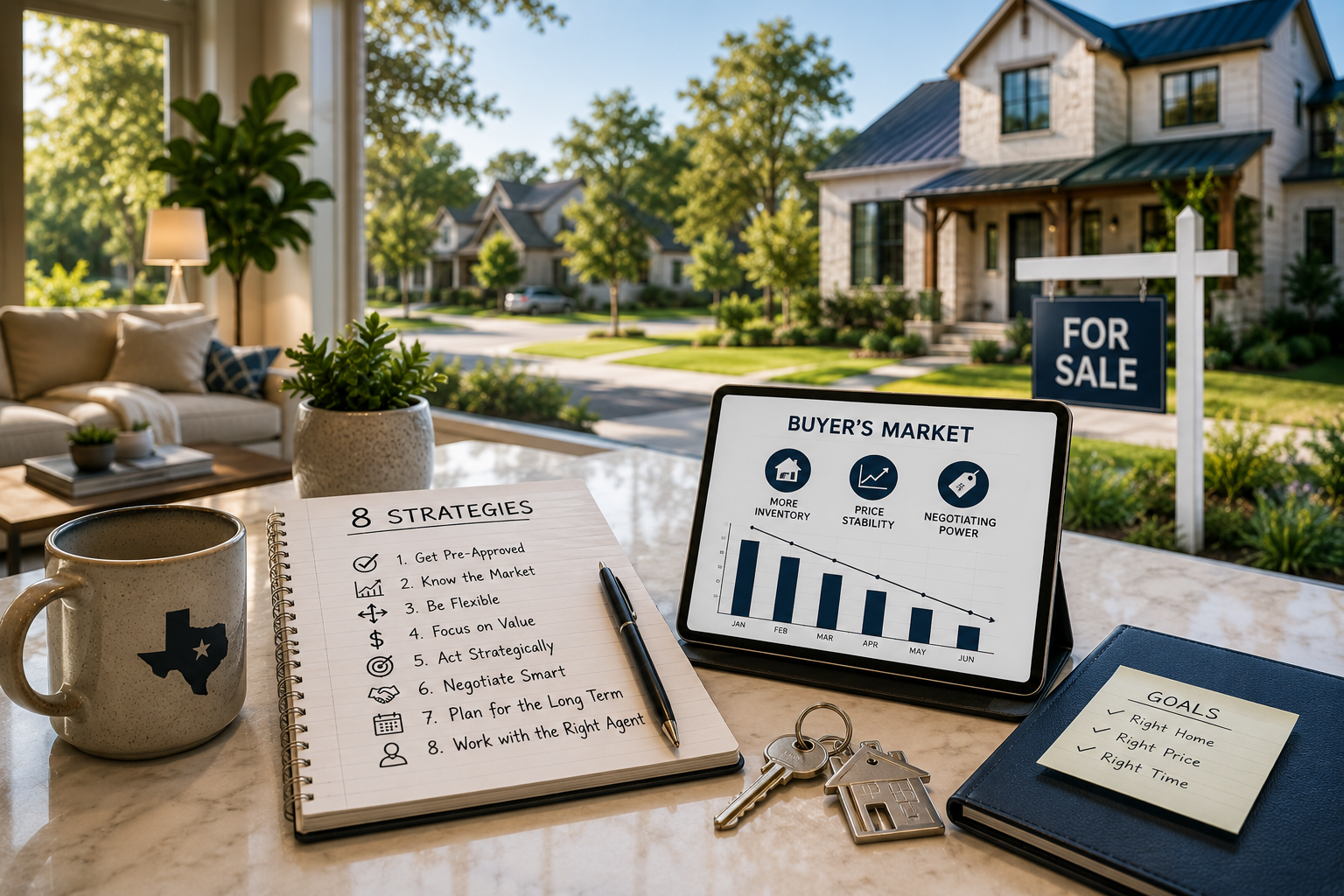
8 Strategies to Buy a Home in Austin's Buyer's Market (Mid-2026 Edition)
Austin has shifted to a buyer's market with 5.3 months of inventory and homes closing 3-4% under list. Eight tactics for negotiating price, structuring seller-paid rate buydowns, using contingencies as leverage, and targeting stale listings while mortgage rates hover near 6.5%.
2026-06-21 • 16 min read

7 Proven Strategies to Find the Best Luxury Real Estate Agents in Austin
Discover the best luxury real estate agents austin buyers trust. These 7 proven strategies help you find top experts for $2M+ luxury properties today.
2026-05-15 • 12 min read

How to Access Exclusive Home Inventory
How sophisticated buyers actually access exclusive and off-market home inventory in Austin, why the best properties trade quietly, what separates real access from noise, and how to position yourself to see the right homes early.
2026-05-14 • 8 min read
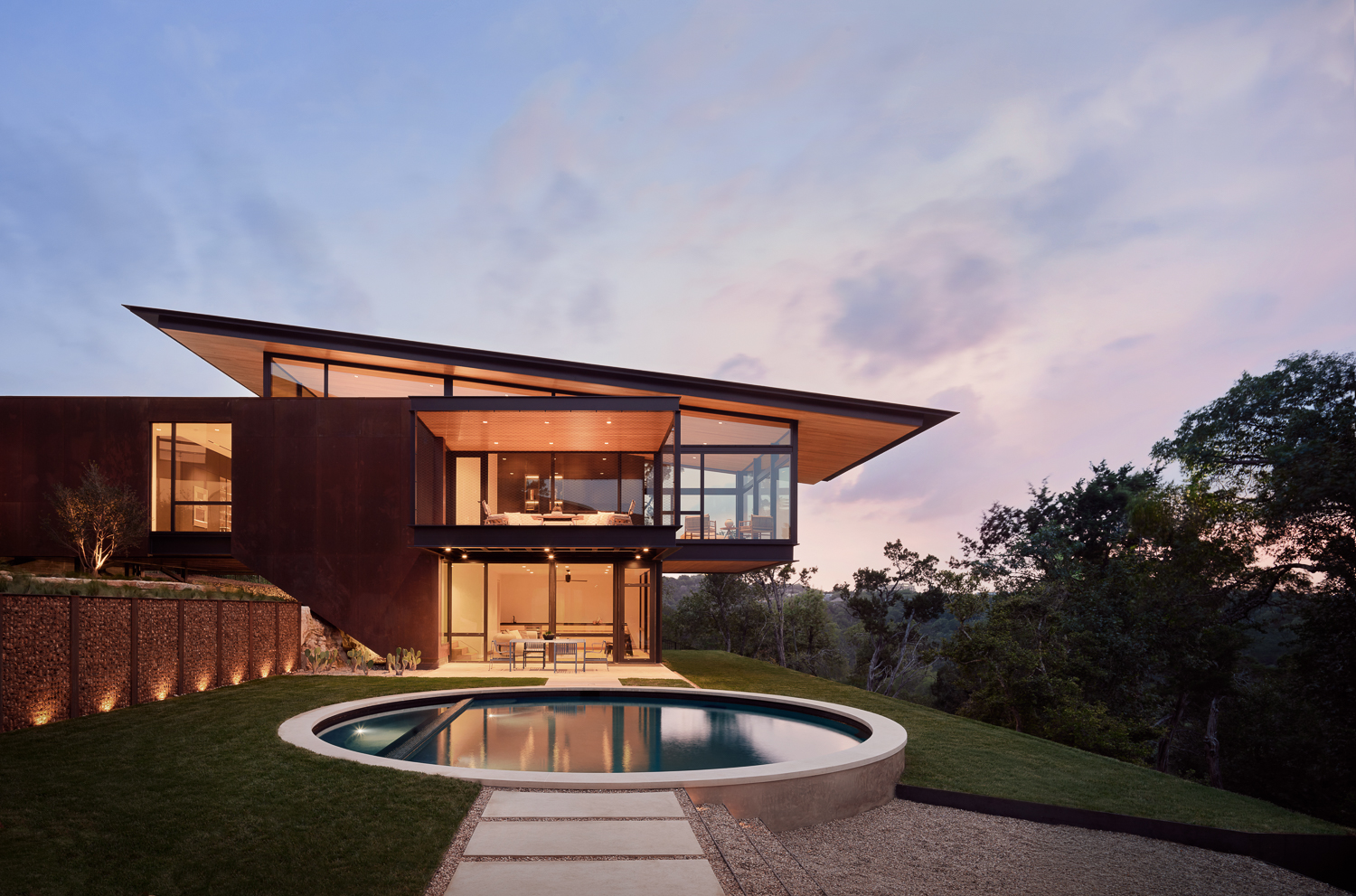
How to Buy a Luxury Home in Austin: The 2026 Buyer's Guide
A step-by-step 2026 guide to buying a luxury home in Austin: off-market access, jumbo financing, buyer representation, neighborhoods, and negotiation backed by current MLS data.
2026-07-18 • 14 min read