Minimalism in Modern Living Spaces
How the principles of minimalist design are reshaping contemporary residential architecture and interior spaces.
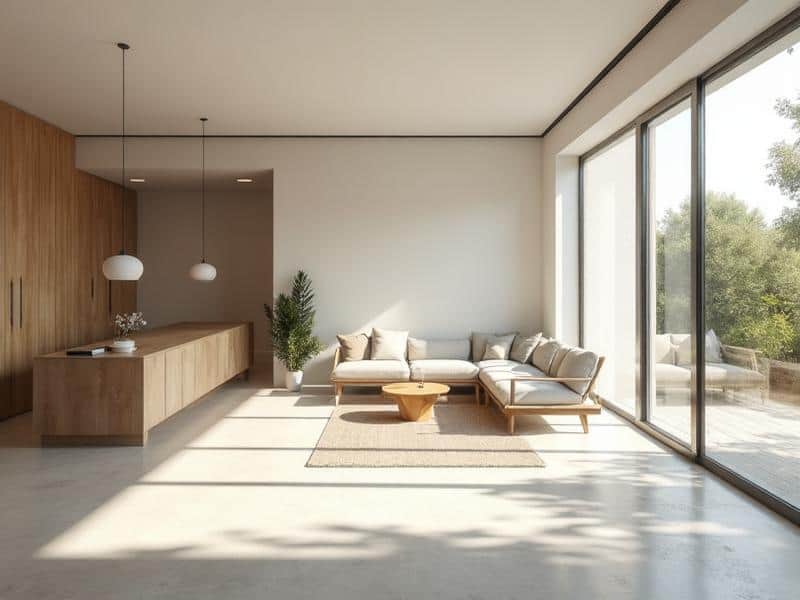
Minimalism in Modern Living Spaces
In an era of overwhelming digital noise and material excess, minimalist architecture offers a sanctuary of calm and clarity. This design philosophy, rooted in the Japanese concept of "ma" (negative space) and Scandinavian functionality, has evolved into a defining characteristic of contemporary residential design.
The Philosophy Behind Minimalism
Minimalist architecture is not about creating empty or stark spaces, it's about intentional design choices that prioritize function, beauty, and the essential elements of living. The approach emphasizes:
- Simplicity over complexity
- Quality over quantity
- Space over stuff
- Light over ornament
Core Elements of Minimalist Design
Clean Lines and Geometric Forms
Minimalist architecture favors simple geometric shapes and clean lines. This creates a sense of order and tranquility that serves as a backdrop for daily life. The absence of decorative elements allows the architecture itself to become the focal point.
Natural Materials
The minimalist palette typically includes:
- Raw concrete
- Natural wood
- Steel and glass
- Stone and marble
- Neutral textiles
These materials are chosen for their inherent beauty and authenticity, often displayed in their natural state without excessive finishing or treatment.
Strategic Use of Light
Natural light becomes a design element in minimalist spaces. Large windows, skylights, and glass walls not only illuminate the interior but create a connection with the outdoors. The interplay of light and shadow throughout the day adds depth and interest to otherwise simple surfaces.
Functional Furniture and Built-ins
Every piece serves a purpose in minimalist design. Furniture is often built-in or carefully selected for both function and aesthetic value. Storage solutions are integrated seamlessly into the architecture, maintaining the clean lines while providing necessary functionality.
The Psychology of Minimalist Living
Research in environmental psychology suggests that minimalist spaces can have profound effects on mental well-being:
Reduced Stress and Anxiety
Clutter-free environments have been shown to reduce cortisol levels and promote feelings of calm and control.
Enhanced Focus and Productivity
With fewer visual distractions, occupants often report improved concentration and mental clarity.
Greater Appreciation for Quality
When surrounded by fewer but higher-quality items, people tend to develop a deeper appreciation for craftsmanship and design.
Challenges and Considerations
Storage Solutions
One of the biggest challenges in minimalist design is providing adequate storage while maintaining clean aesthetics. This requires creative solutions such as:
- Hidden storage compartments
- Multi-functional furniture
- Dedicated storage rooms or areas
Personalization
Creating minimalist spaces that feel warm and personal requires careful curation of meaningful objects and artwork.
Maintenance
Minimalist spaces can show wear and dirt more easily, requiring consistent maintenance to preserve their pristine appearance.
Minimalism and Sustainability
The minimalist approach aligns naturally with sustainable design principles:
- Reduced material consumption
- Focus on durability over trends
- Energy efficiency through passive design
- Long-term thinking over short-term aesthetics
Minimalist Design in Austin Luxury Real Estate
Austin's luxury real estate market has seen a significant shift toward minimalist design principles. Contemporary new construction in neighborhoods like Tarrytown and West lake Hills frequently features clean-lined architecture with floor-to-ceiling glass, open floor plans, and restrained material palettes that let the Hill Country landscape serve as the primary design element.
Downtown Austin high-rises, including The Independent and newer developments, embody minimalist living at scale, offering pared-down luxury with concierge services and curated amenities that eliminate the need for excess. For buyers drawn to this aesthetic, Austin provides a compelling intersection of architectural ambition and natural beauty.
Explore current trends in Austin luxury real estate or browse Austin communities to find homes that embody these design principles.
Conclusion
Minimalism in modern living spaces represents more than just an aesthetic choice, it's a lifestyle philosophy that prioritizes intention, quality, and well-being. As our lives become increasingly complex, the simplicity and clarity of minimalist design offer a path toward more meaningful and sustainable ways of living.
The challenge for architects and designers is to create minimalist spaces that feel alive and welcoming rather than cold or sterile. When executed thoughtfully, minimalist design can provide the perfect canvas for life's most important moments.
Frequently Asked Questions
Are minimalist homes popular in Austin?
Yes. Austin's luxury market has seen strong demand for minimalist and contemporary design, particularly in Tarrytown, West lake Hills, and downtown high-rises where clean architecture and natural materials are prized.
Does minimalist design work in Texas Hill Country homes?
Absolutely. The Hill Country's dramatic landscapes and natural light make it an ideal setting for minimalist architecture. Floor-to-ceiling glass, natural stone, and open floor plans allow the environment to become part of the interior experience.
Do minimalist homes hold their value?
Well-designed minimalist homes with quality materials and thoughtful layouts consistently perform well in Austin's resale market, particularly among buyers relocating from design-forward markets like California and New York.
Continue Exploring
Three places to go from here

ABOUT THE AUTHOR
Taylor Sherwood
Austin Real Estate Advisor · Echelon Property Group
Taylor Sherwood is a Certified Luxury Home Marketing Specialist (CLHMS) and top-performing Austin real estate advisor. He specializes in luxury residential properties, land development, commercial real estate, and investment property across Austin and the Texas Hill Country. With deep market expertise and a results-driven approach, Taylor helps buyers, sellers, and investors navigate Austin's most competitive real estate segments.
Related Reading
Where Austin Homeowners Are Actually Moving in 2026, and How Investors Should Trade It
Travis County just posted its first population decline in over 20 years. County-by-county migration data, the $992/month carrying-cost arbitrage, and four investment theses.
2026-07-28 • 11 min read
Should I Sell My House Now or Wait? The 2026 Austin Math Most Homeowners Have Not Run
New Unlock MLS data puts Austin's true monthly cost of ownership at $2,516 and climbing. Here is the real math on waiting to sell, with tables and a worked 24-month example.
2026-07-28 • 10 min read

Selling an Inherited House in Texas: Probate, Taxes, and Timeline (2026)
How to sell an inherited house in Texas in 2026: the four probate paths, stepped-up basis tax math, Travis County specifics, timelines, and mistakes to avoid.
2026-07-28 • 11 min read
Texas Is a Non-Disclosure State. Here's What That Actually Means for Your Money.
Texas home sale prices never become public record. The full list of non-disclosure states, why Zillow gets Austin wrong, the TCAD data war, and the property tax playbook.
2026-07-27 • 10 min read