Austin Ranch Land for Sale: Complete Guide to Hill Country Ranches and Acreage Properties
A complete guide to Austin ranch land, Hill Country properties, investment land, acreage ownership, agricultural and wildlife exemptions, and Austin-area growth corridors shaping long-term value across Central Texas.
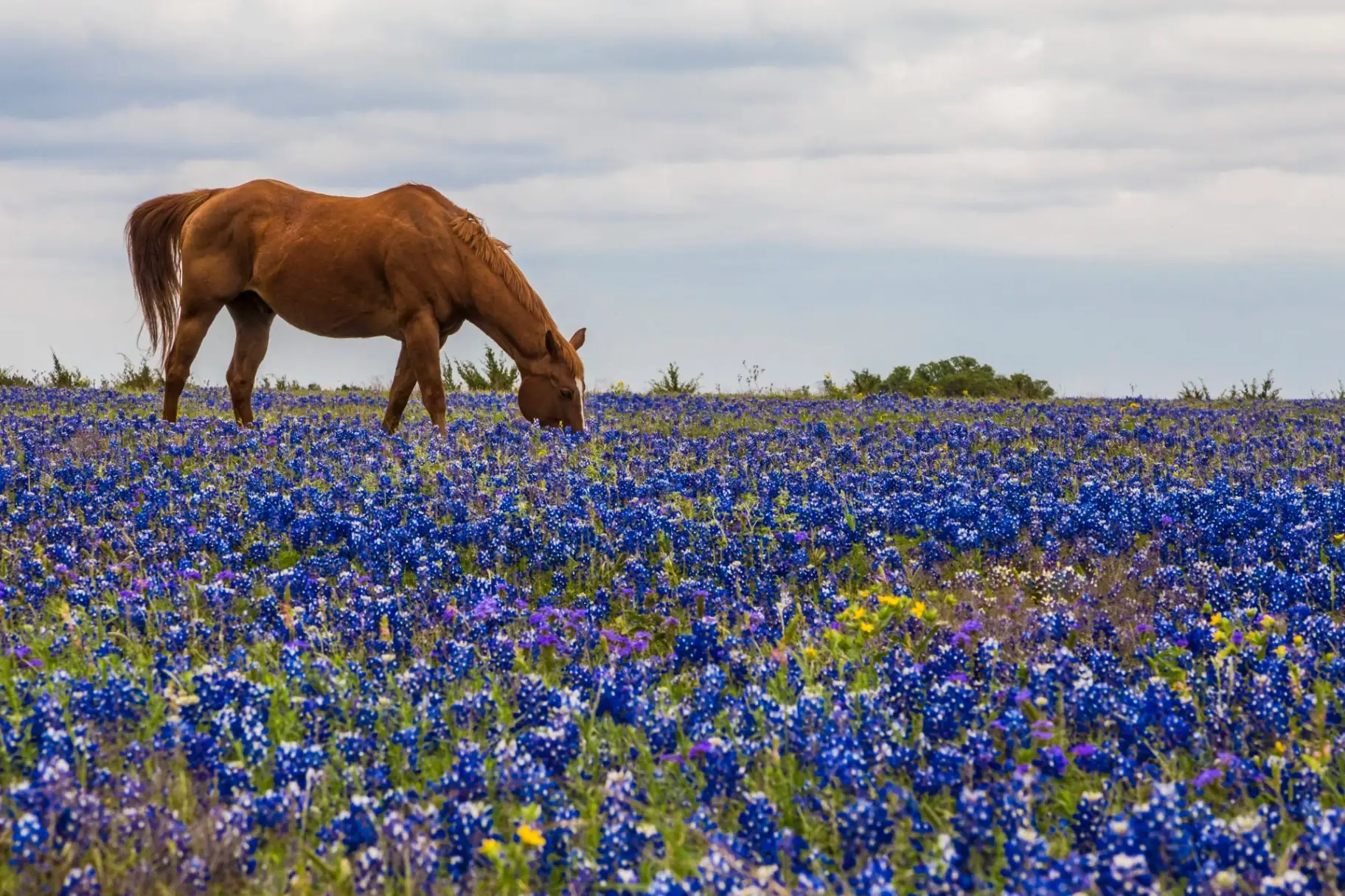
Texas Hill Country ranch land near Austin, where recreational, equestrian, investment, and legacy properties continue attracting buyers seeking acreage, privacy, and long-term value.
Something has shifted in how serious buyers think about land. It is not just lifestyle. It is not just privacy. For a growing number of high-net-worth individuals relocating to or already established in Central Texas, owning a piece of the Texas Hill Country has become a deliberate financial and generational decision, one that often sits alongside a primary residence in West Lake Hills, Barton Creek, Spanish Oaks, Lakeway, or Bee Cave.
Austin's expansion has reshaped the calculus. The Austin MSA has been among the fastest-growing large metros in the United States for more than a decade, adding roughly half a million residents since 2020 and pushing past 2.5 million across the five-county region. Growth along corridors like US-290 West, US-183 toward Liberty Hill, and RM-1431 toward Marble Falls has compressed the distance between "remote" and "in the path of development" faster than most buyers anticipated even five years ago. At the same time, significant in-migration from California, New York, Illinois, and other high-cost states has introduced a buyer pool with capital, appetite for acreage, and a limited understanding of how Texas land transactions actually work. Many of these buyers are moving to Austin with assumptions formed in markets that operate on a different legal and financial framework entirely.
That last point matters more than most people realize. Ranch acquisition is not a larger version of buying a house. The due diligence is different, the legal framework is different, the financing is different, and the consequences of skipping steps are far more significant. A missed easement, a severed mineral estate, an unreliable well, or a misunderstood exemption status can turn a compelling acquisition into a costly problem with no clean exit.
This guide is written for buyers, investors, landowners, and families who are serious about Texas Hill Country land: recreational ranches, working operations, equestrian properties, investment tracts, development land, and legacy holdings across the corridor from Dripping Springs and Wimberley to Fredericksburg, Marble Falls, Blanco, Llano, Burnet, Johnson City, and Southwest Austin. The goal is a clear-eyed framework, not a sales pitch. Echelon Property Group operates at the intersection of luxury residential, ranch, land, investment, and development advisory, and the same disciplined approach we bring to luxury Austin real estate shapes how we evaluate every acreage opportunity.
How to Evaluate a Ranch Property Before Making an Offer
The single most important variable on any Texas ranch is water. Before you evaluate anything else, you need to understand what water exists on the property, how reliable it is, and what rights are actually attached to it.
For wells, request the driller's log: depth, casing, static water level, and pump test data including gallons per minute and recovery rate. A well that produces adequately under normal conditions may struggle during drought, which in Central Texas is not a rare event, much of the Hill Country has spent recent years in moderate to severe drought conditions per the U.S. Drought Monitor. Know whether the property sits over the Edwards Aquifer or the Trinity Aquifer, as each has different recharge characteristics and different regulatory frameworks. Properties within the Edwards Aquifer Authority jurisdiction face specific permitting requirements that differ from other groundwater conservation districts such as the Hays Trinity GCD or the Central Texas GCD serving Burnet County.
Surface water adds another layer. Creeks in the Hill Country are often seasonal, and the distinction between a wet-weather draw and a reliable spring-fed creek matters significantly for both livestock operations and recreational value. Stock tanks should be evaluated for capacity, inlet quality, and whether they hold water year-round. FEMA floodplain maps are a starting point, but on-the-ground assessment and a current survey are essential. Floodplain designation can render substantial acreage unusable or uninsurable, and the FEMA maps do not always reflect actual site conditions accurately.
Beyond water, due diligence on rural land in Texas requires examining layers that simply do not exist in residential transactions. Title work should identify all recorded easements: utility corridors, pipeline rights-of-way, road easements, and any prescriptive access claims. Mineral rights severance is common in the Hill Country, and buyers should understand exactly what they are and are not acquiring. A severed mineral estate means a third party may have the legal right to access the surface for extraction purposes, which has real implications for how the land can be used and how it is valued.
Verify access. Deeded access to a public road is not the same as prescriptive access, and properties that rely on informal agreements for ingress and egress carry meaningful legal risk. Review any existing agricultural leases, which may encumber the property and affect your ability to use it immediately after closing. Check fence lines against the survey, and look for encroachments from neighboring properties.
On the ground, assess topography and soil type relative to your intended use. Cedar encroachment is pervasive in the Hill Country and expensive to remediate. Evaluate the condition of existing improvements: fencing, barns, water distribution systems, any residential structures, septic systems, and road conditions. Utilities vary significantly by location. Many rural tracts require propane rather than natural gas, and electric service may require extension at the buyer's cost.
A qualified rural appraiser and a licensed land surveyor are not optional expenses. They are the foundation of a defensible acquisition. Skipping either is how buyers end up with surprises that no amount of negotiation can fully resolve after closing. For buyers also evaluating land for sale in Austin, the same discipline around due diligence applies regardless of acreage, and the same land-specific experience is what separates a clean transaction from an avoidable one.
Recreational Ranches vs. Working Ranches: Knowing What You're Actually Buying
The Hill Country land market contains two fundamentally different types of buyers, and the properties that serve them well are not always the same.
Recreational ranches are purchased primarily for lifestyle, privacy, and personal use. Hunting, fishing, weekend retreats, equestrian activities, and family gathering spaces drive demand in this category. Buyers are evaluating deer and game populations, water features, the quality and character of improvements, and proximity to Austin. Because the buyer pool is deep and the supply of well-improved recreational tracts is limited, these properties often command a premium per acre relative to their agricultural productivity. The value is experiential and emotional as much as it is financial.
What makes a recreational ranch work: reliable water, good road access, functional improvements, strong game management history, and enough acreage to provide genuine privacy. Properties in Blanco, Llano, and Gillespie counties have historically attracted serious hunting buyers, while tracts in Burnet County near Marble Falls have drawn families looking for weekend retreats within an hour of downtown. Tracts with live water, particularly spring-fed creeks, Pedernales River frontage, or Llano River access, carry a premium that reflects genuine scarcity. Buyers who prioritize seclusion should also consider how Austin's most private enclaves compare in terms of access and lifestyle trade-offs, and how a Southwest Austin primary residence in West Lake Hills or Spanish Oaks can pair naturally with a weekend ranch out toward Johnson City.
Working ranches operate on a different set of metrics. Cattle operations require evaluation of carrying capacity, which is typically expressed in animal units per acre and varies significantly based on rainfall, soil quality, and pasture management. In much of the Hill Country, carrying capacity ranges from roughly 15 to 30 acres per animal unit, far less productive than the Coastal Bend or the Blackland Prairie. Perimeter and cross-fencing condition, water distribution infrastructure, working pens, loading facilities, and hay production capability all affect operational viability. Buyers entering a working operation without agricultural experience should plan either for significant education or for the cost of an experienced ranch manager. The economics of cattle operations in Central Texas are not forgiving, and many buyers underestimate the operational demands.
Hay production, goat and sheep operations, and exotic game ranches each have their own infrastructure requirements and economic profiles. Lease income from hunting operations or grazing leases can offset carrying costs, but buyers should evaluate existing lease agreements carefully before assuming that income will continue post-closing.
Equestrian properties occupy a distinct category. They require covered arenas, stall barns with appropriate ventilation and drainage, paddocks, turnout acreage, and quality footing in working areas. The concentration of equestrian demand in the Hill Country is particularly strong in the Dripping Springs, Wimberley, and Spicewood corridors, where proximity to Austin combines with accessible terrain and an established equestrian community. Properties with permitted equestrian facilities and existing infrastructure trade at a meaningful premium over raw land, and for good reason: building that infrastructure from scratch is expensive and time-consuming.
The most important question to ask before making an offer is not what the property is listed as, but what it actually functions as and what it would cost to transition it to your intended use.
Understanding Agricultural and Wildlife Exemptions in Texas
Few topics generate more confusion among first-time Texas land buyers than the agricultural exemption. It is worth being precise about what it is and what it is not.
The ag exemption, governed by Texas Property Tax Code Section 1-d-1, is not a traditional tax exemption. It is a special valuation methodology. Instead of taxing land at its market value, the county appraisal district taxes it based on its agricultural productivity value, which is typically a fraction of market value. On a Hill Country tract that has appreciated significantly, the difference between market-value taxation and productivity-value taxation can represent tens of thousands of dollars per year on larger holdings. For investors managing carry costs across a portfolio of land and Austin investment property, this distinction is financially material.
To qualify, land must be used primarily for agriculture: cattle grazing, hay production, crop farming, beekeeping, or other qualifying activities. Each county appraisal district sets its own standards for minimum acreage, stocking rates, and documentation requirements. Hays, Burnet, Blanco, Llano, and Travis counties each publish their own intensity standards, and what qualifies in one county does not automatically qualify in another. Buyers should not assume that what qualifies in one county qualifies in another.
The wildlife management exemption, authorized under Texas Tax Code Section 23.51, allows landowners to maintain the agricultural valuation by implementing qualifying wildlife management practices rather than traditional agricultural use. Qualifying activities include habitat control, erosion control, predator management, wildlife census counts, water source management, and supplemental wildlife feeding or sheltering. This exemption is widely used in the Hill Country and is particularly valuable for buyers who want recreational use without running livestock.
To establish a wildlife management exemption, you typically need a written wildlife management plan approved by Texas Parks and Wildlife Department or a certified wildlife biologist. The plan must document the specific practices being implemented and how they support a sustaining wildlife population. This is not a loophole. It is a legitimate land management framework that, when properly administered, produces measurable habitat benefits.
Rollback taxes, now called "additional taxes" following changes under SB 1760, apply when land transitions from agricultural or wildlife valuation to a non-qualifying use. The lookback period has changed from five years to three years under recent legislation, but buyers should verify the current rules with a Texas property tax attorney or the relevant county appraisal district, as these rules can evolve. The financial exposure from triggering a rollback on a high-value tract can be substantial, frequently six figures on appreciated Hill Country acreage.
When purchasing a property that currently carries an ag or wildlife valuation, verify the history carefully. Confirm how long the exemption has been in place, what practices are documented, and whether a wildlife management plan already exists. Inheriting a well-maintained exemption is a meaningful benefit. Discovering after closing that the exemption was improperly maintained is a problem.
Austin and Hill Country Growth Corridors to Watch
The path of growth in Central Texas is not abstract. It is visible on the ground, in road construction, in new utility extensions, in the pace of subdivision filings at each county courthouse. Understanding which corridors are absorbing development pressure, and which are still ahead of it, is one of the most useful frames for evaluating long-term land demand. The same growth pressure shaping Austin's luxury market forecast is reshaping the surrounding ranch and acreage markets in parallel.
US-290 West Corridor (Oak Hill toward Dripping Springs and Fredericksburg): This is arguably the most active growth corridor in the Hill Country. Dripping Springs has grown several-fold over the past decade and has emerged as a center for wineries, distilleries, and destination hospitality. TxDOT improvements along US-290, combined with the build-out of master-planned communities like Headwaters and Caliterra, have pulled buyer interest steadily westward. Acreage tracts between Dripping Springs and Henly continue to attract recreational and equestrian buyers, while frontage tracts have become development plays in their own right.
Liberty Hill and the US-183 Corridor: Williamson County, anchored by Leander, Cedar Park, Georgetown, and Liberty Hill, has been one of the fastest-growing counties in the United States by percentage growth for several consecutive years. Liberty Hill ISD's expansion and the steady extension of municipal services have changed the calculus on tracts that were considered remote a decade ago. The corridor connecting Liberty Hill to Burnet along US-183 is now actively absorbing both residential subdivision and small-acreage demand.
RM-1431 Corridor (Cedar Park through Lago Vista and Jonestown to Marble Falls): Lake Travis frontage, the Highland Lakes chain, and a steady stream of retirees and remote-work professionals have driven sustained demand along RM-1431. Marble Falls and the surrounding Burnet County market have transitioned from a regional lake community to a primary destination for buyers seeking water access combined with acreage. Land values along this corridor have appreciated meaningfully as Austin commuters and second-home buyers have expanded the buyer pool.
Dripping Springs and Hays County: Hays County has been among the fastest-growing counties in Texas, with population growth driven heavily by relocations from California and from within the Austin metro. The county's transition from rural to peri-urban has accelerated zoning, water, and infrastructure conversations across Dripping Springs, Wimberley, and Buda. For landowners, this means real optionality. For investors, it means careful attention to entitlement and ETJ dynamics.
Marble Falls and Burnet County: Burnet County's growth has been driven by the appeal of the Highland Lakes, accessible terrain, and proximity to both Austin and the broader Hill Country. The Marble Falls market in particular has seen sustained development activity and a steady migration of buyers seeking water-oriented lifestyle properties on meaningful acreage.
Blanco County (Blanco and Johnson City): Blanco County remains less developed than its neighbors to the east, which is precisely what attracts a certain kind of buyer. Johnson City has emerged as a quieter alternative to Dripping Springs, with growing winery and hospitality activity along the US-290 corridor. Recreational and legacy ranch demand in Blanco County reflects buyers prioritizing scenic character and seclusion over commute proximity.
Fredericksburg and Gillespie County: Fredericksburg sits at the western edge of the Austin sphere of influence and the eastern edge of the wine country economy. Hospitality, agritourism, and second-home demand have all expanded substantially. Ranch tracts in Gillespie County, particularly those with frontage along scenic loops or proximity to the Pedernales, continue to attract serious buyers willing to drive farther for genuine Hill Country character.
Travis County, Southwest Austin, and the Lake Travis Corridor: Inside Travis County itself, the supply of meaningful acreage has become genuinely scarce. Southwest Austin acreage west of MoPac, the hills around Bee Cave, and the Lake Travis corridor through Lakeway, Spicewood, and the western shoreline still hold a small inventory of large-tract ranch estates, many of them generational holdings that rarely surface on the open market. Buyers focused on staying close to the urban core are competing for a shrinking pool: estate tracts with water frontage, equestrian improvements, or genuine privacy inside the Travis County line trade at a substantial premium to comparable acreage one county west, and that premium has widened as developable land near Austin's core has effectively run out. For families who want both a primary residence in West Lake Hills, Barton Creek, or Spanish Oaks and acreage within a short drive, Travis County and the immediate Lake Travis corridor remain the most contested band of the Hill Country ranch market.
The common thread across all of these corridors is that infrastructure investment, population growth, and development pressure are arriving in waves rather than uniformly. Land that sits one corridor or one county ahead of current development can be acquired today at meaningful discounts to where it will trade five to ten years from now, provided water, access, and entitlement fundamentals support long-term use. That is why serious investors and landowners are paying attention.
Investment Potential of Texas Hill Country Land
Land as an investment behaves differently from equities, and differently from residential real estate. It is illiquid, management-intensive in some configurations, and highly dependent on local market dynamics. But for buyers who understand the market and structure acquisitions thoughtfully, Texas Hill Country land has demonstrated compelling long-term characteristics. The Texas A&M Real Estate Research Center's annual rural land reports have tracked sustained long-term price appreciation across the Austin-Waco-Hill Country region, with the strongest gains in the smaller-tract size classes most relevant to recreational and lifestyle buyers.
Austin's growth has been the primary engine. Development pressure has moved outward along every major corridor: US-290 West through Dripping Springs toward Fredericksburg, US-183 through Liberty Hill toward Burnet, RR-12 through Wimberley toward Blanco, and RM-1431 through Spicewood toward Marble Falls. Infrastructure investment has followed: road improvements, water district expansions, utility extensions, and commercial development have all accelerated in communities that were considered remote not long ago. Land values in transitional corridors have responded, though the pace and magnitude vary by location and specific property characteristics.
Highest and best use analysis is the foundation of any serious land investment decision. A 200-acre tract near Dripping Springs may simultaneously have recreational value, agricultural value, and subdivision development potential. Each use implies a different price ceiling, a different hold strategy, and a different buyer pool at exit. Understanding which use actually drives value in a specific location requires local market expertise and honest assessment, not just comparable sales data from the county appraisal district. A deeper look at highest and best use analysis in Austin illustrates how this framework applies across different property types, from infill residential lots to large rural tracts.
For long-term appreciation strategies, several principles apply consistently. Buying in the path of growth but outside current development pressure preserves optionality while avoiding the premium already priced into land adjacent to active development. Maintaining ag or wildlife valuation minimizes annual carry costs and preserves flexibility. Seller-financed structures and land note arrangements can provide favorable terms that institutional lenders rarely match. Water availability deserves particular attention as a long-term constraint: tracts with reliable water sources will always command a premium over dry land as the region's population continues to grow.
Out-of-state investors face an additional layer of complexity. Texas land law, water law, exemption structures, and development regulations are not intuitive for buyers from states with different frameworks. The investors who perform best in this market are typically those who invest time in understanding the local regulatory environment before they invest capital in a specific tract. Working with land-specific experience and established broker relationships in the Hill Country, rather than generalist residential representation, is not a luxury. It is a practical necessity, and a meaningful determinant of transaction outcomes.
The Texas A&M Real Estate Research Center publishes annual land market data that provides useful context on price trends by county and region, and is worth consulting as part of any investment research process alongside our own Austin investment advisory work.
Development Land vs. Legacy Land Holdings
Not all land buyers want the same thing, and the difference between a development play and a legacy holding is more than philosophical. It affects how you evaluate a property, how you structure the acquisition, and how you plan for what comes next.
Development land is purchased with a specific exit strategy. The buyer is underwriting subdivision potential, master-planned community viability, commercial use, or resale to a developer at a future point. The critical variables are proximity to utilities and infrastructure, county regulations and ETJ boundaries, road frontage, topography constraints, and absorption rates in the surrounding submarket. A tract that looks inexpensive per acre may carry hidden costs in entitlement, infrastructure extension, and regulatory compliance that erode the investment thesis entirely. Buyers evaluating Austin land development opportunities should approach entitlement timelines with particular scrutiny, what looks like a 12-month process on paper can extend to 24 or 36 months once water, wastewater, and county commissioners' court approvals are factored in.
ETJ boundaries matter significantly. Cities like Dripping Springs, Wimberley, Marble Falls, and Bee Cave have extraterritorial jurisdiction extending beyond their city limits, which affects what development is permissible and what approval process applies. Buyers approaching land as a development investment need a clear pro forma, a realistic entitlement timeline, and direct development knowledge of what the relevant city or county will and will not approve. Assumptions about future zoning or development capacity are not a substitute for verified information.
Legacy land is held for different reasons: generational continuity, family stewardship, long-term wealth preservation, and a connection to place that transcends financial return. The evaluation criteria shift accordingly. Privacy, water quality, scenic character, long-term carrying costs, and the legal structures needed to protect the property across generations become primary concerns. Family LLCs, conservation easements, and land trusts are tools that serve legacy buyers well, and each has implications for tax planning, estate structuring, and operational flexibility.
Conservation easements deserve specific attention. Held by organizations like the Texas Land Conservancy or the Hill Country Conservancy, a conservation easement permanently restricts certain development uses in exchange for federal income tax deductions and potential estate tax benefits. For landowners with significant appreciation in a Hill Country tract, the combination of tax efficiency and permanent land protection can be compelling. The IRS has increased scrutiny of syndicated conservation easement transactions, so buyers should work with qualified tax counsel before entering any arrangement structured primarily around tax benefits.
Many Hill Country properties sit at the intersection of both categories. A buyer may acquire a tract today as a legacy holding that carries genuine development optionality in fifteen to twenty years. The key is structuring the acquisition to preserve both possibilities without paying a speculative premium for upside that may or may not materialize within your investment horizon.
Why Many Significant Hill Country Ranches Never Reach the Open Market
Some of the most desirable ranches in the Texas Hill Country are never listed publicly. They transition between owners through broker networks, attorney introductions, and direct conversations between principals who already know one another. Understanding why these transactions stay private is essential to understanding how the upper end of the market actually functions.
The first reason is legacy family ownership. Many of the most significant Hill Country holdings, particularly the multi-generational ranches in Blanco, Llano, Gillespie, and Burnet counties, have been in the same family for decades or longer. When ownership transitions, whether through sale, estate planning, or a generational handoff, the sellers almost universally prioritize discretion. A confidential, off-market process protects family privacy, allows for thoughtful negotiation around tax structuring, and avoids the speculation and unsolicited inquiries that follow a public listing.
The second reason is the structure of the broker network itself. Hill Country land brokers operate within an unusually relationship-driven ecosystem. Properties are often discussed informally between brokers long before any decision to list is made, and many transactions are matched directly through these conversations. A buyer who is known to be qualified, decisive, and capable of moving on a complex transaction tends to see opportunities that never appear on any public platform. The market intelligence flows through people, not portals.
The third reason is the buyer pool. The pool of buyers genuinely qualified to transact on a $5M to $50M+ Hill Country ranch is not large. Sellers and their advisors know who those buyers are, and so do the brokers who maintain relationships across both sides of the market. When a significant property comes available, the conversation typically starts within that known circle and only expands outward if needed. This is the same dynamic that defines off-market real estate in Austin, where the most exceptional luxury homes also often trade without ever reaching the MLS.
The fourth reason is confidentiality during the transaction itself. Working ranches with active operations, hunting leases, conservation arrangements, or family-employed staff frequently cannot afford the disruption of a public marketing process. A confidential sale allows the operation to continue uninterrupted, protects sensitive information from competitors and neighbors, and preserves the seller's optionality if a transaction does not ultimately close. We discuss this dynamic in more depth in our analysis of confidential property transactions.
The practical implication for buyers is straightforward. If you are serious about acquiring a significant Hill Country ranch, the most consequential decision you will make is who represents you. Public search platforms surface a fraction of the available inventory at the upper end of the market. The rest moves through broker relationships, attorney networks, and trusted advisor introductions. Buyers who try to source these properties independently rarely succeed. Buyers who engage representation with established Hill Country relationships routinely see opportunities the general public never knows existed.
What Out-of-State Buyers Get Wrong About Texas Ranch Land
The mistakes are predictable, and they are expensive. Understanding them in advance is the most efficient form of due diligence.
The most common error is underestimating the complexity of rural land transactions in Texas. Unlike residential real estate, there is no standard disclosure framework for rural land. Sellers are not required to disclose many conditions that would be mandatory in a residential transaction. The burden of discovery falls entirely on the buyer. This is not a negotiating position. It is Texas law, and buyers who approach a ranch acquisition with the same level of investigation they would bring to a home purchase will almost certainly miss something important. This is particularly true for buyers moving to Austin from California or other states where rural land transactions are governed by more prescriptive disclosure regimes.
Texas water law surprises nearly every out-of-state buyer. Groundwater is governed by the rule of capture, which means landowners generally own the water beneath their property but groundwater conservation districts regulate how much can be pumped. This is a different framework from the prior appropriation systems used in western states and the riparian rights systems used in eastern states. Surface water rights are entirely separate, governed by prior appropriation and administered by the Texas Commission on Environmental Quality. A property can have excellent groundwater and no surface water rights, or vice versa. Understanding what you are actually acquiring requires specific legal and hydrological analysis, not assumptions.
Financing is another area where expectations frequently collide with reality. Farm Credit institutions, including Capital Farm Credit which is active throughout Central Texas, and other agricultural lenders offer land loans with different structures than conventional residential mortgages. Down payment requirements are typically higher, often 25 to 35 percent, amortization periods differ, and underwriting criteria reflect the unique characteristics of rural land as collateral. Buyers who plan to finance a ranch purchase should engage agricultural lenders early in the process, not after they have a property under contract.
Finally, transaction strategy matters more on land than on almost any other asset class. A residential agent without rural land experience, a title company unfamiliar with easement complexity, and a lender without agricultural loan products is a combination that produces problems. Many of the best Hill Country opportunities also trade off-market, through broker-to-broker networks and relationships that never surface in public listings. Access to those deals depends entirely on the broker relationships and market intelligence working on your behalf. Understanding how to find off-market properties in Austin is directly relevant to how serious buyers approach the Hill Country land market.
Key Considerations Before Buying Ranch Land Near Austin
Before signing a contract on any Hill Country or Travis County tract, a handful of issues consistently separate clean acquisitions from costly ones. Working through this list, ideally before you make an offer, and certainly before the option period closes, is the most efficient form of risk management available to a serious buyer.
Water availability and well performance. Order the driller's log, a current pump test, and, where possible, neighboring well data. Confirm static water level, recovery rate, and seasonal variability. A well that produces in spring may struggle by August. Identify the governing groundwater conservation district and any pumping limits or permits already in place.
Easement review. Pull a full title commitment and read every recorded easement: utility corridors, pipeline rights-of-way, road and ingress/egress easements, conservation easements, and any prescriptive claims. Walk the property with the survey in hand. Easements are the single most common source of post-closing surprises on rural land.
Mineral rights ownership. Determine whether the mineral estate is intact, partially severed, or fully severed. A severed mineral owner generally has the dominant estate and a legal right of surface access for exploration and extraction. Confirm what mineral interests, if any, are being conveyed at closing.
Agricultural and wildlife exemption status. Verify the current valuation with the county appraisal district. Confirm how long the ag or wildlife exemption has been in place, what practices are documented, and whether a current wildlife management plan exists. Understand your exposure to rollback (additional) taxes if intended use will not maintain the qualifying activity.
Legal access and road frontage. Confirm deeded access to a public road. Prescriptive or informal access arrangements carry meaningful legal risk and can quietly impair value at resale. For tracts with development optionality, road frontage quality and county road maintenance status materially affect the highest and best use analysis.
Development potential and highest-and-best-use considerations. Even on a property you intend to hold as a recreational or legacy ranch, understand its development optionality: ETJ status, utility proximity, topography constraints, and county subdivision rules. The same framework that drives Austin redevelopment opportunities applies in modified form to rural acreage, and that optionality often defines long-term value.
Financing and lender selection. Engage an agricultural lender, Capital Farm Credit or a comparable Farm Credit institution, before you identify a specific tract. Down payment requirements (typically 25 to 35 percent), amortization structures, and underwriting criteria differ meaningfully from residential mortgages. Confirm appraisal expectations and timeline early so financing does not become the bottleneck on a competitive transaction.
Frequently Asked Questions: Austin Ranch Land and Hill Country Properties
How much land do I need to qualify for an agricultural exemption in Texas?
Minimum acreage requirements vary by county and by the type of agricultural activity. There is no single statewide minimum. Most county appraisal districts publish their qualification standards, and some require as few as 10 acres for certain uses while others set higher thresholds. The activity must be the primary use of the land, conducted with the intent to produce income, and must meet the county's standards for intensity and management. Consulting the relevant county appraisal district, Hays, Burnet, Blanco, Llano, Gillespie, or Travis, before purchase is essential.
What is a wildlife management exemption and how do I set one up?
A wildlife management exemption allows landowners to maintain agricultural valuation by implementing qualifying wildlife management practices instead of traditional agricultural use. To establish one, you typically need a written wildlife management plan that documents your specific practices across at least three of the qualifying activity categories recognized by Texas Parks and Wildlife Department. A certified wildlife biologist can help develop and document the plan. The land must already be under agricultural valuation before transitioning to wildlife management use.
How is ranch land typically financed, and can I use a conventional mortgage?
Most ranch and rural land purchases in Texas are financed through Farm Credit institutions or specialized agricultural lenders rather than conventional residential mortgage products. Capital Farm Credit is one of the primary lenders active in Central Texas. These loans typically require larger down payments, often in the range of 25 to 35 percent, and carry different amortization structures than home loans. Some buyers use portfolio lenders or seller financing for additional flexibility. Engaging an agricultural lender early in your search process allows you to understand your actual purchasing parameters before you identify a specific property.
What does it mean when mineral rights are severed from a property?
Mineral rights severance means that the ownership of subsurface minerals has been separated from the surface estate and is held by a different party. This is common in the Hill Country. A severed mineral estate means you own the surface but may not own the oil, gas, limestone, or other minerals beneath it. More importantly, a mineral rights holder may have the legal right to access the surface for extraction purposes under certain conditions. Buyers should obtain a complete mineral rights history from the title company and understand what, if any, mineral interests are being conveyed before closing.
How do I find out if a property has reliable water and what rights are attached?
Request the well driller's log for any existing wells, which documents depth, casing, static water level, and pump test results. Have a qualified water well professional conduct a current pump test to verify yield and recovery rate. For surface water, review the Texas Commission on Environmental Quality water rights database and consult with a water rights attorney if the property has any claimed surface water rights. Confirm which groundwater conservation district governs the property and what pumping permits or exemptions apply. Do not rely on seller representations alone for any water-related information.
What is a rollback tax and when does it apply?
A rollback tax, now formally called an "additional tax" under Texas law, applies when land that has been receiving agricultural or wildlife management valuation is converted to a non-qualifying use. The tax recaptures the difference between what was paid under the special valuation and what would have been paid under market-value taxation, plus interest, for a lookback period set by statute. Recent legislation changed the lookback period, so buyers should verify the current rules with a Texas property tax attorney or the relevant county appraisal district before closing. Triggering a rollback on a high-value Hill Country tract can represent a significant financial liability, frequently six figures on appreciated acreage.
Is Hill Country land a good investment compared to other asset classes?
Texas Hill Country land has historically demonstrated strong long-term appreciation, particularly in corridors experiencing development pressure from Austin's growth. It offers tangible asset characteristics, inflation resistance, and the ability to generate income through leases, agricultural operations, or hunting programs while minimizing carry costs through exemptions. The trade-offs are illiquidity, management requirements, and the need for specialized local market expertise to identify quality opportunities. For the right buyer with a long time horizon and genuine understanding of the market, it can be a compelling component of a diversified portfolio alongside Austin investment real estate. It rewards preparation and punishes shortcuts.
How do I find off-market ranch properties in the Hill Country?
A significant portion of larger Hill Country ranch transactions, particularly tracts of 500 acres or more, occur off-market through broker networks and direct relationships rather than public MLS listings. Sellers of significant ranches often prioritize confidentiality and prefer to transact with known, qualified buyers. The most effective path to off-market opportunities is working with a land advisor who maintains active broker relationships in specific Hill Country counties and operates within the networks where these properties are discussed. Attempting to source off-market land independently, without established local relationships, is rarely effective.
What are conservation easements and should I consider one?
A conservation easement is a voluntary legal agreement between a landowner and a qualified land trust or government entity that permanently restricts certain development uses of the property in exchange for tax benefits. Easements held by organizations like the Texas Land Conservancy or Hill Country Conservancy can provide federal income tax deductions based on the value of the donated development rights and may reduce estate tax exposure. They are well-suited for landowners committed to long-term land stewardship who also have significant taxable income or estate planning considerations. The IRS has increased scrutiny of certain conservation easement structures, so working with qualified tax counsel is essential before entering any arrangement.
Putting It All Together
Texas Hill Country land is a genuinely compelling asset class. It combines tangible value, lifestyle utility, long-term appreciation potential, and generational significance in ways that few other investments can match. But it is not a forgiving market for buyers who skip steps, rely on residential representation, or treat a ranch acquisition like a residential transaction.
The best opportunities, particularly the off-market tracts that represent some of the most significant holdings in Blanco, Llano, Gillespie, Burnet, Hays, and Travis counties, rarely appear in public listings. They surface through relationships, through brokers who are known and trusted in specific markets, and through buyers who have done enough preparation to move decisively when the right opportunity presents itself.
Whether you're evaluating a recreational ranch, investment tract, equestrian property, development opportunity, or legacy family holding, understanding what a property could become is often more important than understanding what it is today. The combination of local market expertise, land-specific experience, and disciplined due diligence will determine the outcome more than any other factor.
Echelon Property Group advises buyers, investors, and landowning families across the Austin and Texas Hill Country corridor, from West Lake Hills, Barton Creek, Spanish Oaks, Lakeway, and Bee Cave to Dripping Springs, Liberty Hill, Marble Falls, Blanco, Burnet, Johnson City, and Fredericksburg. Our work spans ranch acquisitions, land investment strategy, highest and best use analysis, development potential evaluation, legacy holding structures, and confidential access to opportunities that do not reach the open market. If you are considering a ranch acquisition, a strategic land investment, or a confidential disposition of an existing holding, we welcome the conversation. Explore our seller advisory, review our approach to off-market opportunities, or contact our team directly for a private, confidential discussion.
Continue Exploring
Three places to go from here

ABOUT THE AUTHOR
Taylor Sherwood
Austin Real Estate Advisor · Echelon Property Group
Taylor Sherwood is a Certified Luxury Home Marketing Specialist (CLHMS) and top-performing Austin real estate advisor. He specializes in luxury residential properties, land development, commercial real estate, and investment property across Austin and the Texas Hill Country. With deep market expertise and a results-driven approach, Taylor helps buyers, sellers, and investors navigate Austin's most competitive real estate segments.
Related Reading
Buying Land in the Texas Hill Country: The 2026 Guide to Wells, Septic, Ag Exemptions, and Everything the Per-Acre Price Hides
What Hill Country acreage really costs in 2026: per-acre prices, well drilling, septic, power, ag exemptions, and the rollback tax rules most buyers get wrong.
2026-07-30 • 12 min read
Texas Hill Country Ranch Market: What Buyers and Investors Need to Know
How the Texas Hill Country ranch market really works: submarket pricing from Fredericksburg to Kerrville, water and flood due diligence after the 2025 Guadalupe flood, ag and wildlife exemptions, and how off-market land deals get done.
2026-07-12 • 14 min read

Wildlife Exemptions vs Agricultural Exemptions in Texas: What Ranch Owners Need to Know
A Texas land and ranch advisor's guide to wildlife versus agricultural valuations, including eligibility, acreage realities in the Hill Country, rollback risk, and how buyers in Fredericksburg, Kerrville, Mason, Llano, Harper, and Johnson City should evaluate ranches before closing.
2026-06-02 • 12 min read

10 Things Buyers Should Know Before Purchasing an Exotic Ranch in the Texas Hill Country
A buyer's guide to exotic wildlife ranches across the Texas Hill Country, covering habitat, infrastructure, wildlife management, tax treatment, revenue potential, and off-market access.
2026-06-01 • 10 min read